1
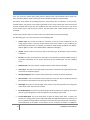
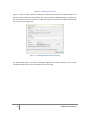
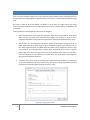
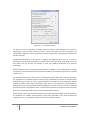
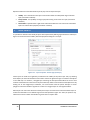
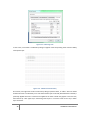
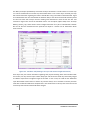
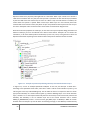
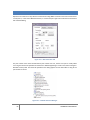
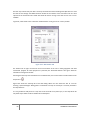
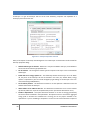
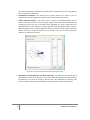
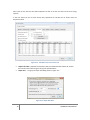
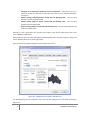
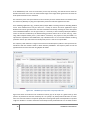
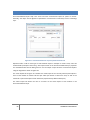
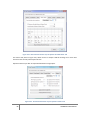
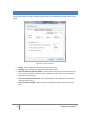
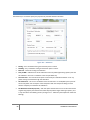
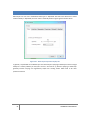
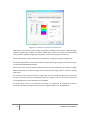
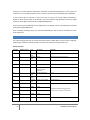
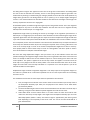
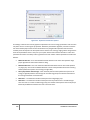
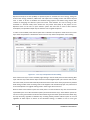
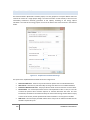
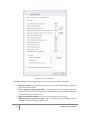
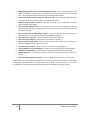
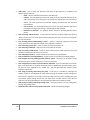
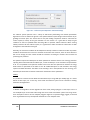
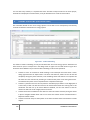
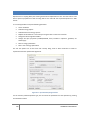
direction and wind speed, it calculates the air density at each turbine, and the probability of the wind coming from that direction at that wind speed for each turbine. It also calculates the wake losses due to other turbines and modifies the wind speed at each turbine before entering that wind speed into the power curve. Openwind contains the following wake models. In addition, the user can run the energy capture with no wake effects. Park—this is the original Park model with a slight modification so that the wakes eventually recover to the free-stream Modified Park—this version of Park has been modified following the example of Garrad Hassan Eddy-Viscosity—this wake model is a literal interpretation of the 1988 model published by 1 Ainslie Fast Eddy-Viscosity—this wake model is based on a solution by Dr. Mike Anderson Deep Array Eddy-Viscosity Wake Model (DAWM Eddy-Viscosity) - this is a combination of the standard Eddy-Viscosity model with a boundary layer wake model developed by AWS Truepower based on a theory by Frandsen. More information is available in the DAWM white paper available from here. Deep Array Eddy-Viscosity Wake Model (DAWM Park Variant) - this is a combination of the standard Park model with the DAWM. Deep Array Fast Eddy-Viscosity Wake Model (DAWM Fast Eddy-Viscosity) - this is a combination of the “Fast Eddy-Viscosity” model described above with the DAWM. The Deep Array Wake Models (DAWM) are only available in the Enterprise version of Openwind. These models are essential for estimating wake losses for utility-scale wind farms. The Energy Capture settings can be accessed by going to the Settings menu and selecting Energy Capture. Figure 3.1 shows the energy capture settings dialog. There are two sets of energy capture settings. The top set is used during layout optimization. An optimization runs thousands of energy capture calculations, and Openwind provides the option of running an abbreviated energy capture that only covers the wind speeds over which the turbine is producing significant power. The bottom set is used when calculating a full energy capture (also known as "Testing"). For the full energy capture, it is important to calculate across the entire range of wind speeds. 7 OPENWIND USER MANUAL