1
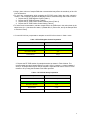
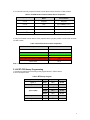
Do not use supplies and equipment across the dedicated areas of i) specimen extraction, ii) reaction set-up and iii) amplification/detection. No cross-movement should be allowed between the different areas. Personal protective equipment, such as laboratory coats and disposable gloves, should be area specific. Store and extract positive material (specimens, controls and amplicons) separately from all other reagents and add it to the reaction mix in a spatially separated facility. Dispose of unused kit reagents and human specimens according to local, provincial or federal regulations. Do not substitute or mix reagents from different kit lots or from other manufacturers. Do not use components of the kit that have passed their expiration date. The presence of PCR inhibitors may cause false negative or invalid results. Potential mutations within the target regions of the HIV genome covered by the primers in this kit may result in failure to detect the presence of the pathogen. Good laboratory practice is essential for the proper performance of this kit. Ensure that the purity of the kit and reactions is maintained at all times, and closely monitor all reagents for contamination. Do not use any reagents that appear to be contaminated. Ensure that appropriate specimen collection, transport, storage and processing techniques are followed for optimal performance of this test. Instructions for Use A. Sample Preparation Purified RNA is the starting material for Norgen’s HIV Quantitative RT-PCR Kit. The quality of the RNA template will have a major impact on the performance of the diagnostic test. The user must ensure that the method used for RNA purification is compatible with RT-PCR technology. We recommend the use of Norgen’s purification kits for RNA isolation, including Norgen’s Total RNA Purification Kit (Cat# 17200), Plasma/Serum Circulating RNA and Exosomal Purification Kit (Cat# 42800), Plasma/Serum RNA Purification Kit (Cat# 55000). If using a different spin column-based sample preparation procedure that includes ethanol-based wash buffers, a column drying step consisting of centrifugation for 10 minutes at 14,000 x g (~14,000 RPM), using a new collection tube, is highly recommended prior to the elution of the RNA. This will help to prevent the carry-over of any ethanol into the purified RNA, as ethanol is known to be a strong inhibitor of PCR. Ensure that any traces of ethanol from the sample preparation steps are eliminated prior to the elution of the RNA. B. RT-PCR Assay Preparation Notes Before Use: Before use, suitable amounts of all RT-PCR components should be completely thawed at room temperature, mixed by gentle vortexing or by pipetting, and centrifuged briefly. Work quickly on ice. The amount of 2X Real-Time RT-PCR Master Mix provided is enough for up to 96 RT-PCR reactions (48 sample RT-PCR, 32 positive control/standard curve RT-PCR and 16 no template control RT-PCR). For every RT-PCR run, one reaction containing the non-diluted HIV Positive Control and one reaction as no template control must be included for proper interpretation of results. For quantitative interpretation, a dilution series of the positive control RNA should be generated (instruction provided below). The recommended minimum number of RNA samples tested per RT-PCR run is 6. 3