1
Chapter 8. Cooperation with the open source community
8.1
Spreading the message
As previously stated one of the most important factors, if not the most important,
of an open source project is getting people involved in the project and getting them
to use the software. This cannot be stressed enough as an open source application
which isn’t used will die. Because of this we have spent much time and effort on
advertising our project. As explained earlier we had allot of incremental releases,
and for every one we advertised it on up to seven national and international mailing
lists as well as through repositories such as freshmeat1 and linuxlinks2 .
We have also worked hard to get Stopmotion into repositories such as the Debian archive thereby not only making it easier for people to get it, but also getting
free publicity.
8.2
Cooperation with contributors
Cooperation with contributors for the most part went through email and IRC channels. Our testers would send us an email suggesting new features and notifying us
of current bugs.
Some of the people who were interested in the project and therefore contributed
with suggestions, testing and bug-reports found us through the mailing lists and
freshmeat page, but some, like for example Aardman Features3 found us through
search engines and contacted us through the email at our webpages. Some of these
emails are added in appendix G on page 121.
When people contributed to the project in one way or another we always tried
to respond as quick as possible if only to say we are on it. This way make them
feel like their opinion matters and this stimulates them to contribute more.
8.3
Development gatherings
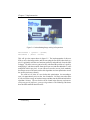
As a Skolelinux project we are expected to attend their developer gatherings. These
gatherings are meant as a way for the community to come together, get to know
each other and work hard for a couple of days on improving Skolelinux. The
gathering, including the transportation to it, are for the most part paid for by the
“Fri programvare i skolen” organization.
1
www.freshmeat.net
www.linuxlinks.com/New/
3
The Wallace and Gromit/Chicken run people
2
77