1
2: Saphira System Overview
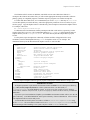
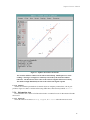
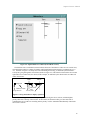
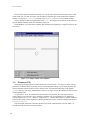
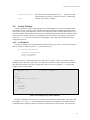
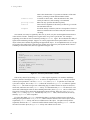
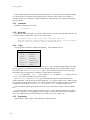
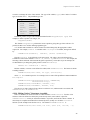
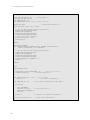
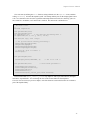
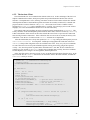
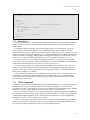
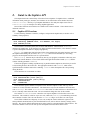
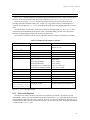
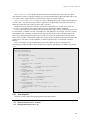
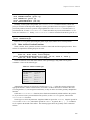
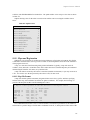
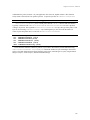
The activity BumpAndGo is an example of an activity that produces direct action. It waits until the
robot bumps into something and its motors stall out; then it turns off all behavior output and maneuvers the
robot in a short back-and-turn sequence to get it out of the stall. This activity is traced, so you’ll see the
results of its evaluated statements printed in the interaction area. Beware – it’s hard to make the robot run
into something unless you turn off the obstacle avoidance behaviors.
Another activity, follow a found corridor, has the robot find and follow corridors. The
activity monitors the robot environment until it detects a corridor, then starts a sub-activity, a behavior, that
projects a path for the robot down the middle of the corridor.
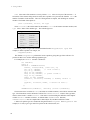
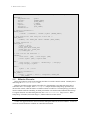
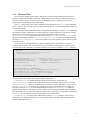
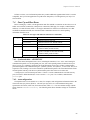
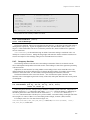
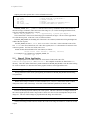
Figure 2-8 An example Saphira Activities window
2.3.11. System Environment Variables
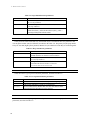
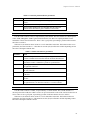
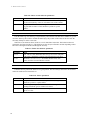
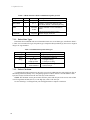
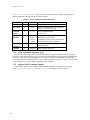
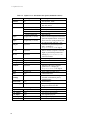
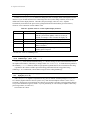
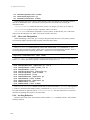
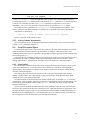
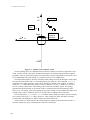
Several environment variables can be set to control defaults in Saphira clients. This is a complete list of
them, and their effects. In MS Windows, environment variables are set in AUTOEXEC.BAT, or via the user
profiles (Windows NT). In Unix, they are set from a shell using setenv or export.
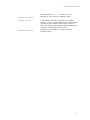
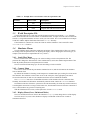
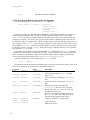
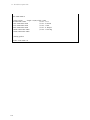
Environment Variable
SAPHIRA
SAPHIRA_LOAD
SAPHIRA_COMSERIAL
22
Effect
Top level of the Saphira distribution. This variable must be
set for Saphira clients and the simulator to run correctly. In
Unix, there should be no final slash in the path, e.g.,
/usr/local/saphira/ver61.
Initial load directory for the Colbert evaluator. This
directory will be searched for the file init.act when the
Colbert evaluator starts. If not set, defaults to the directory
from which the client was started.
Serial port for connecting to the robot. Defaults to the
primary serial port for the system being used, e.g., COM1