1
Introduction
The RELMIN project examines the legal status of religious minorities in the EuroMediterranean world (5th – 15th century).
RELMIN will collect, study and publish legal texts that defined the status of
religious minorities in pre-modern Europe. Rich and varied, the corpus covers ten
centuries and a large geographic area; writings in Latin, Arabic, Greek, Hebrew
and Aramaic (as well as Spanish, Portuguese, and other European vernaculars),
these texts are currently scattered in libraries and archives throughout Europe.
They will be collected into a specialized database in their original language, along
with translations and commentaries.
An electronic edition of this database could become a reference tool for research
into the history of minorities' rights, and interreligious relations.
The database will integrate the corpus using the Telma (Electronic treatment of
manuscripts and archives) software platform of the IRHT (Institute for the
Research and History of Texts), a research unit of the CNRS.
The electronic edition of this database will be published online in the form of a
website. It will be published and updated once the database grows substantial
enough, before the end of the first year (5 years).
The Telma platform dates to 2005, and is the product of a joint project between
the Ecole Nationale des Chartes and the IRHT. This project has been retained
and financed by the CNRS through the TGE Adonis as part of the creation of
centres for digital resources adapted for the humanities. Telma comprises the
section "historical manuscript sources."
Telma fulfils many of the objectives of creating databases for a corpus of texts:
- the creation of a digital corpus by coding in a specific version of XML (a
semantically structured programming language) named TEI (Text Encoding
Initiative), which is an XML for the management of texts.
- an electronic edition of the corpus made from the corpus created in TEI.
- a lasting archive for the existing corpus.
- development of the corpus after the end of the research project (the corpus is
always accessible and expandable).
- an electronic edition that mirrors the database (the electronic edition
incorporates modifications to the database with a systematic, daily update, which
continues after the end of the research project).
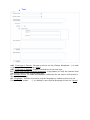
On the other hand, Telma is not a software program that can be used
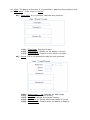
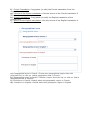
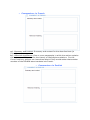
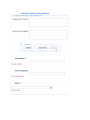
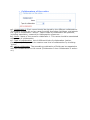
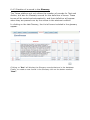
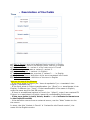
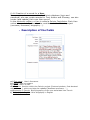
independently. When creating the corpus, Telma appears as forms to be
completed which once transmitted are converted into TEI. That said, each corpus
presents different intellectual challenges, so it is necessary to work jointly with
the developers of Telma, in order to adapt the generic forms of the platform to
the specific needs of each research project.
Consequently for RELMIN, after an initial, formal meeting with Richard Walter
(responsible for editorial services and electronic publications at the IRHT), and
once RELMIN had been approved by the scientific council of the IRHT, a series of
work/audit meetings followed, every month for six months, along with an intense