1
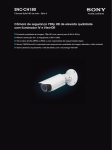
Congratulations on choosing a Dedicated Micros Oracle dome camera.
This manual will provide all the necessary information to install the Dedicated Micros Oracle Dome
Camera.
Oracle
Introduction
RF Interference warning
This is a class A product. In a domestic environment this product may cause radio frequency
interference, in which case the user may be required to take adequate measures.
Product Safety
WARNING
•
Installation and servicing is only to be carried out by suitably qualified and
experienced personnel and should conform to all local codes.
•
Only power low voltage cameras from the provided power supply. Use only a Class
2 power supply with a maximum current of 1.5 amps and the wiring as specified in
the National Electrical Code ANSI/NFPA 70.
This camera range is designed for use in general purpose CCTV applications and has no other
purpose.
Only operate your camera between the temperatures of -10°C and +40°C. This low voltage camera
must be powered with either a 12V DC or a 24V AC power supply. Do not operate your camera
outside its specified power supply range.
FCC CLASS B REGULATORY NOTICE
This device complies with part 15 of the FCC Rules. Operation is subject to the following two
conditions: (1) This device may not cause harmful interference, and (2) this device must accept any
interference received, including interference that may cause undesired This equipment has been
tested and found to comply with the limits for a Class B digital device, pursuant to part 15 of the FCC
Rules. These limits are designed to provide reasonable protection against harmful interference in
a residential installation. This equipment generates uses and can radiate radio frequency energy
and, if not installed and used in accordance with the instructions, may cause harmful interference to
radio communications. However, there is no guarantee that interference will not occur in a particular
installation. If this equipment does cause harmful interference to radio or television reception, which
can be determined by turning the equipment off and on, the user is encouraged to try to correct the
interference by one or more of the following measures:
Reorient or relocate the receiving antenna.
Increase the separation between the equipment and receiver.
Connect the equipment into an outlet on a different circuit different to the receiver.
Consult the dealer or an experienced radio/TV technician for help.
Modifications not expressly approved by the manufacturer could void the user’s authority to
operate the equipment under FCC rules.
Dedicated Micros ©2008