1
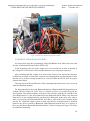
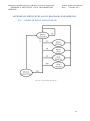
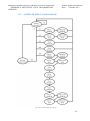
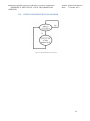
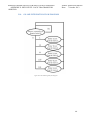
ROBOTICS BASED ON FPGA FOR EDUCATIONAL PURPOSES 2. RESEARCH STAGES Author: Pedro Plaza Merino Date: 7 October 2013 2. RESEARCH STAGES Due to the complexity required by the proposed development, it has proposed a strategy to accomplish with this project. The original plan is showed along this chapter. As it is showed in the next chapters, the exposed plan is followed to a greater or lesser extent. In the particular cases which it has not been possible due to the founded obstacles the plan had to have been modified. A justification has been added where the required some modification. The justification includes the detected issue and the adopted strategy re-work in order to adapt the current work plan fixing the issue in the best way which was possible. 2.1. ORIGINAL CONTROLLER USE In this stage the objective is becoming familiar with the Robot by managing it during simple motion tasks through the test environment or the laboratory. Furthermore, it was intended to get the serial communication protocol used by the original controller to manage the servos of the robot. The robot communication will be limited to the controller programming in order to accomplish the objectives of this stage. 2.2. FPGA BOARD AS CONTROL SYSTEM USE In this stage the control system is replaced by the FPGA getting the same milestones presented in the previous stage. The increase in the research is obtained by adding the following functionalities: Interaction with the environment with detection and stability sensors. Wireless communication inclusion by means of Bluetooth. 2.3. INTEGRATION AS PART OF A REMOTE LABORATORY In the last research stage all implemented control systems are integrated with a remote laboratory in order to provide that this control system can be used as part of an educational environment. Once this point is reached and the founded difficulty has been properly analyzed, the motion requirements of the Robot will be adjust by increasing the Robot interaction capabilities with the remote laboratory and the environment in the case that it will be affordable. 3