1
Sage Developer’s Guide, Release 6.9
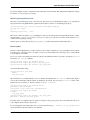
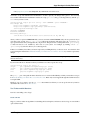
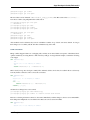
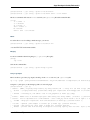
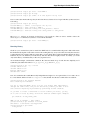
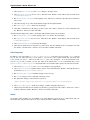
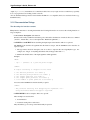
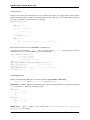
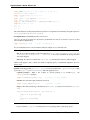
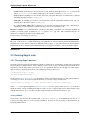
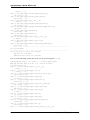
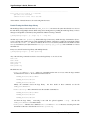
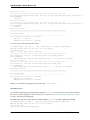
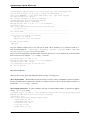
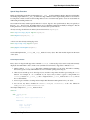
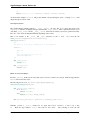
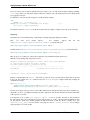
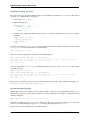
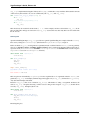
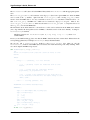
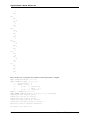
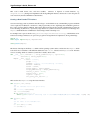
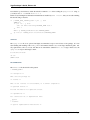
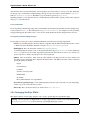
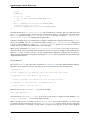
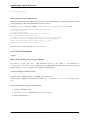
except KeyboardInterrupt:
# (handle interrupt)
Certain C libraries in Sage are written in a way that they will raise Python exceptions: libGAP and NTL
can raise RuntimeError and PARI can raise PariError. These exceptions behave exactly like the
KeyboardInterrupt in the example above and can be caught by putting the sig_on() inside a try/except
block. See Error Handling in C Libraries to see how this is implmented.
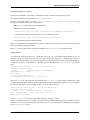
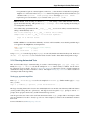
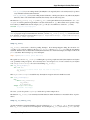
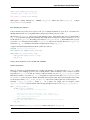
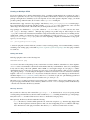
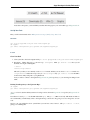
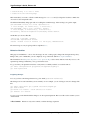
It is possible to stack sig_on() and sig_off(). If you do this, the effect is exactly the same as if only the outer
sig_on()/sig_off() was there. The inner ones will just change a reference counter and otherwise do nothing.
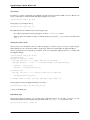
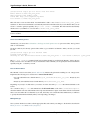
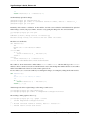
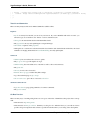
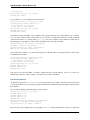
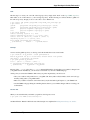
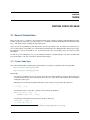
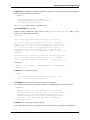
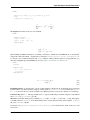
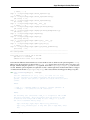
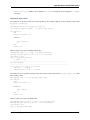
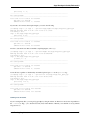
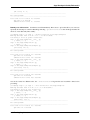
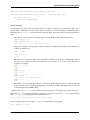
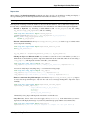
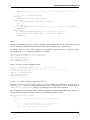
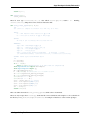
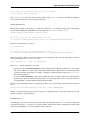
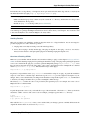
Make sure that the number of sig_on() calls equal the number of sig_off() calls:
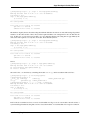
def f1():
sig_on()
x = f2()
sig_off()
def f2():
sig_on()
# ...
sig_off()
return ans
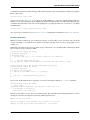
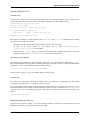
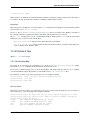
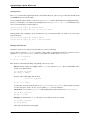
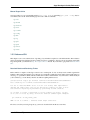
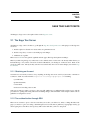
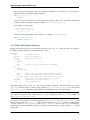
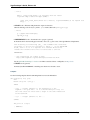
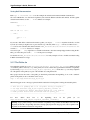
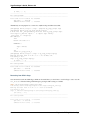
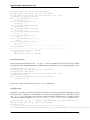
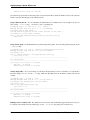
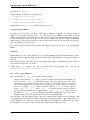
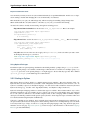
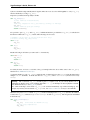
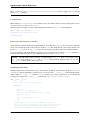
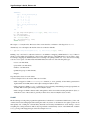
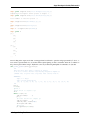
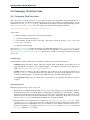
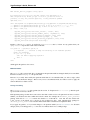
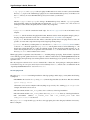
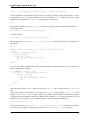
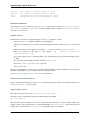
Extra care must be taken with exceptions raised inside sig_on(). The problem is that, if you do not do anything
special, the sig_off() will never be called if there is an exception. If you need to raise an exception yourself, call
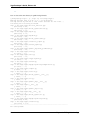
a sig_off() before it:
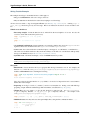
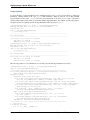
def raising_an_exception():
sig_on()
# (some long computation)
if (something_failed):
sig_off()
raise RuntimeError("something failed")
# (some more computation)
sig_off()
return something
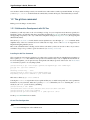
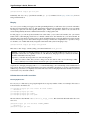
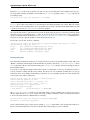
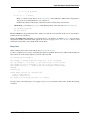
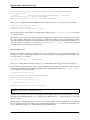
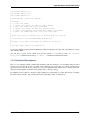
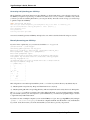
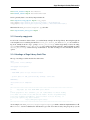
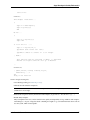
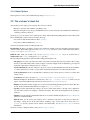
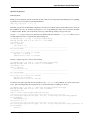
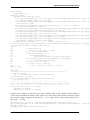
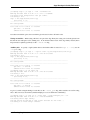
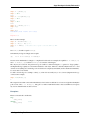
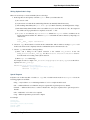
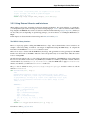
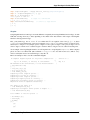
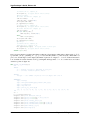
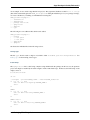
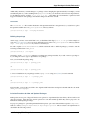
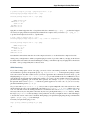
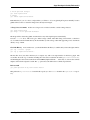
Alternatively, you can use try/finally which will also catch exceptions raised by subroutines inside the try:
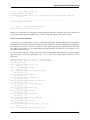
def try_finally_example():
sig_on() # This must be OUTSIDE the try
try:
# (some long computation, potentially raising exceptions)
return something
finally:
sig_off()
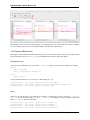
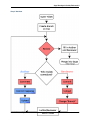
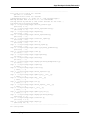
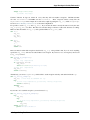
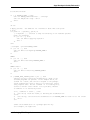
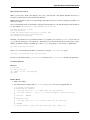
If you want to also catch this exception, you need a nested try:
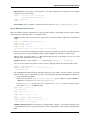
def try_finally_and_catch_example():
try:
sig_on()
try:
# (some long computation, potentially raising exceptions)
finally:
sig_off()
except Exception:
print "Trouble!Trouble!"
3.5. Sage Coding Details
91