1
MALLOC (9)
NetBSD Kernel Developer’s Manual
MALLOC (9)
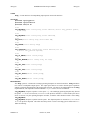
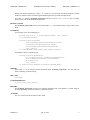
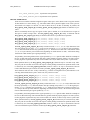
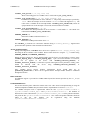
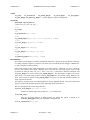
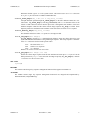
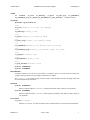
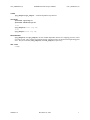
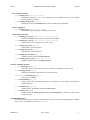
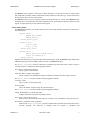
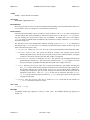
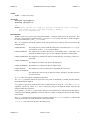
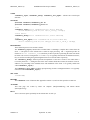
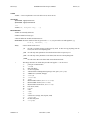
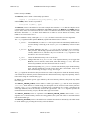
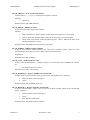
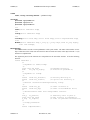
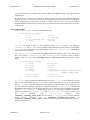
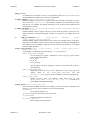
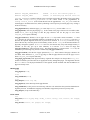
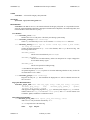
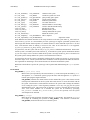
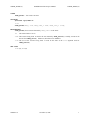
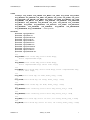
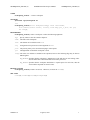
NAME
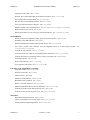
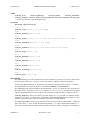
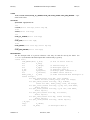
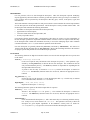
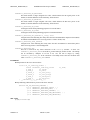
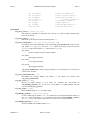
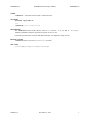
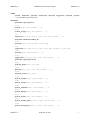
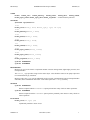
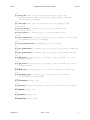
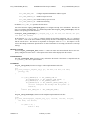
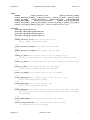
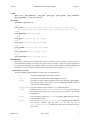
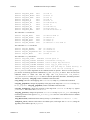
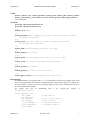
malloc, MALLOC, realloc, free, FREE, malloc_roundup, malloc_type_attach,
malloc_type_detach, malloc_type_setlimit, MALLOC_DEFINE_LIMIT, MALLOC_DEFINE,
MALLOC_DECLARE — general-purpose kernel memory allocator
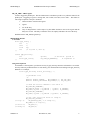
SYNOPSIS
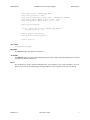
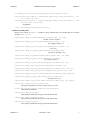
#include <sys/malloc.h>
void ∗
malloc(unsigned long size , struct malloc_type ∗type , int flags);
MALLOC(space , cast , unsigned long size , struct malloc_type ∗type , int flags);
void ∗
realloc(void ∗addr , unsigned long newsize , struct malloc_type ∗type ,
int flags);
void
free(void ∗addr , struct malloc_type ∗type);
FREE(void ∗addr , struct malloc_type ∗type);
unsigned long
malloc_roundup(unsigned long size);
void
malloc_type_attach(struct malloc_type ∗type);
void
malloc_type_detach(struct malloc_type ∗type);
void
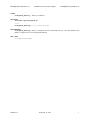
malloc_type_setlimit(struct malloc_type ∗type , unsigned long limit);
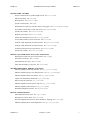
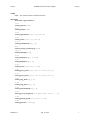
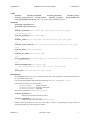
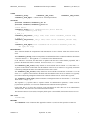
#include <sys/mallocvar.h>
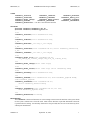
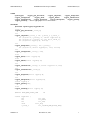
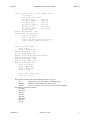
MALLOC_DEFINE_LIMIT(type , shortdesc , longdesc , limit);
MALLOC_JUSTDEFINE_LIMIT(type , shortdesc , longdesc , limit);
MALLOC_DEFINE(type , shortdesc , longdesc);
MALLOC_JUSTDEFINE(type , shortdesc , longdesc);
MALLOC_DECLARE(type);
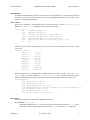
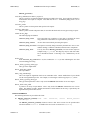
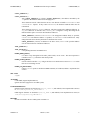
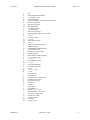
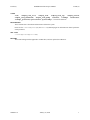
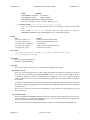
DESCRIPTION
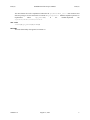
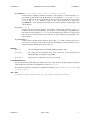
These interfaces are being obsoleted and their new use is discouraged. For new code, please consider
to use kmem_alloc(9) or pool_cache(9) instead.
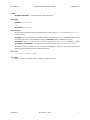
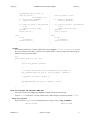
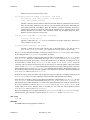
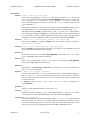
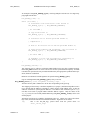
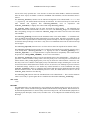
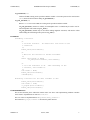
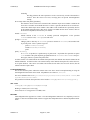
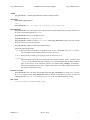
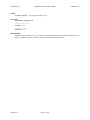
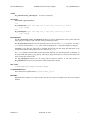
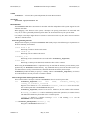
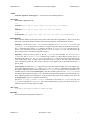
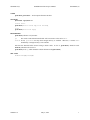
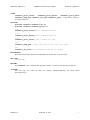
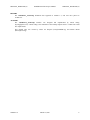
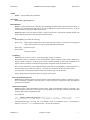
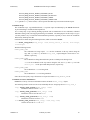
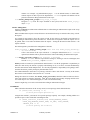
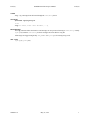
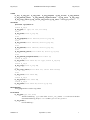
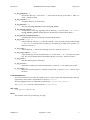
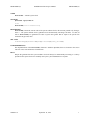
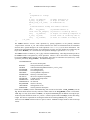
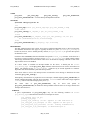
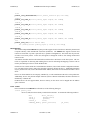
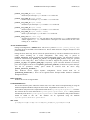
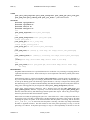
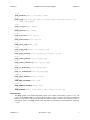
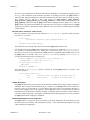
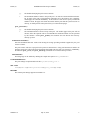
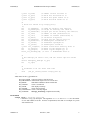
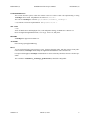
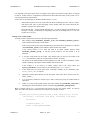
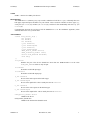
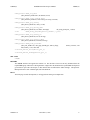
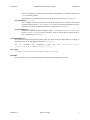
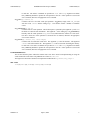
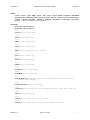
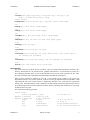
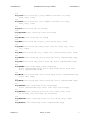
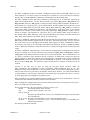
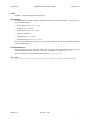
The malloc() function allocates uninitialized memory in kernel address space for an object whose size is
specified by size. malloc_roundup() returns the actual size of the allocation unit for the given value.
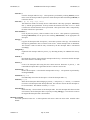
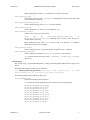
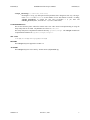
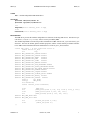
free() releases memory at address addr that was previously allocated by malloc() for re-use. Unlike
free(3), free() does not accept an addr argument that is NULL.
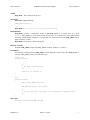
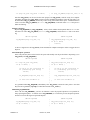
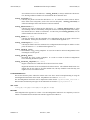
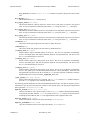
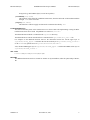
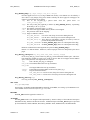
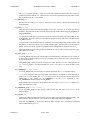
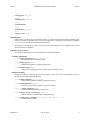
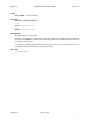
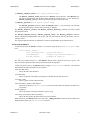
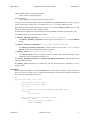
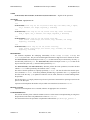
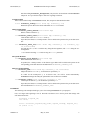
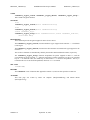
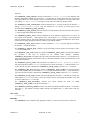
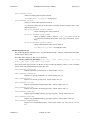
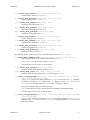
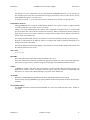
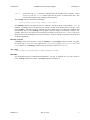
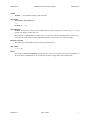
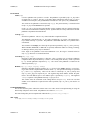
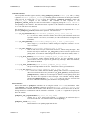
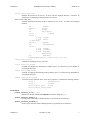
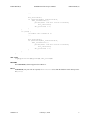
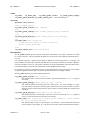
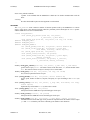
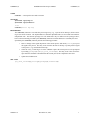
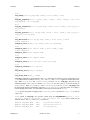
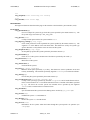
The realloc() function changes the size of the previously allocated memory referenced by addr to size
and returns a pointer to the ( possibly moved ) object. The memory contents are unchanged up to the lesser
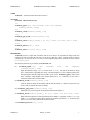
of the new and old sizes. If the new size is larger, the newly allocated memory is uninitialized. If the
requested memory cannot be allocated, NULL is returned and the memory referenced by addr is unchanged.
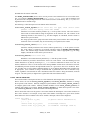
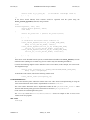
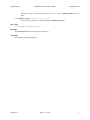
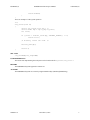
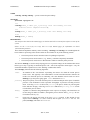
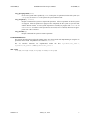
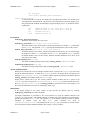
If addr is NULL, then realloc() behaves exactly as malloc(). If the new size is 0, then realloc()
NetBSD 3.0
March 24, 2008
1