1
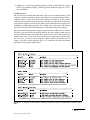
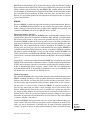
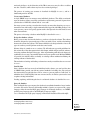
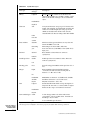
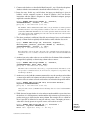
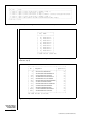
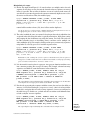
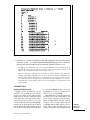
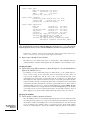
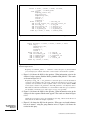
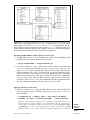
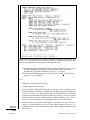
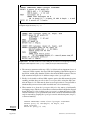
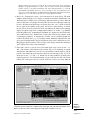
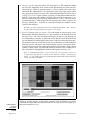
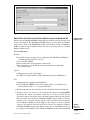
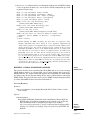
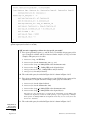
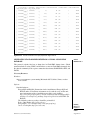
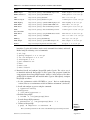
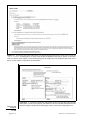
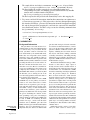
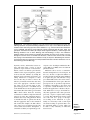
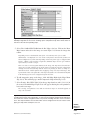
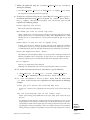
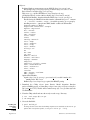
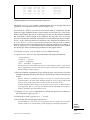
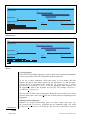
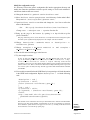
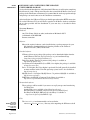
Figure 9.4.15 SQL statement used to create a temporary intermediate results table to store
the taxon-id of all species in which a homolog to each query was found (see step 2 of Basic
Protocol 5). Bold text represents input; lightface text represents output.
A terminal application connected to a Unix environment in which one can execute
Unix-like commands. For Windows-based operating systems, this entails
installing the Cygwin Unix emulation (http://www.cygwin.com).
The Perl scripting language interpreter (any version since 5.005 03) and the DBI,
and DBD::mysql modules
Files
Generated as in Basic Protocols 1 and 3
1. Complete Basic Protocols 1 and 3.
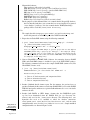
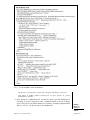
2. Create a temporary intermediate results table to store the taxon-id of all species in
which a homolog to each query was found, using the SQL statement shown in Figure
9.4.15 (see taxcat.sql, found in the seqdb-demo distribution). For efficiency,
specify that the table should exist only in memory (remove the TYPE=HEAP clause
if the results do not fit into available memory). Having built this temp-result
table, it can now be used for every combination of desired taxonomic subsets.
Relational
Databases
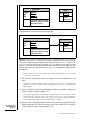
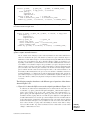
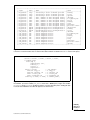
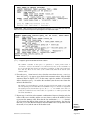
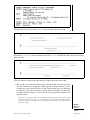
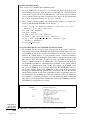
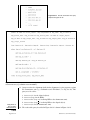
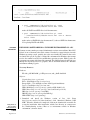
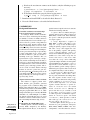
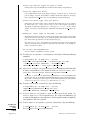
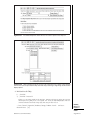
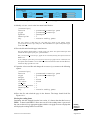
3. To generate the counts for genes found in Bacteria and Eukaryota, but not Archaea,
generate a second temporary table, excludes, which contains the query-id’s
of homologs in the undesired taxonomic subsets, using the SQL statement shown in
Figure 9.4.16.
9.4.18
Supplement 7
Current Protocols in Bioinformatics