1
Enterprise Replication Data Types
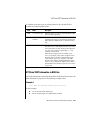
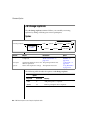
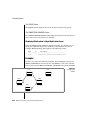
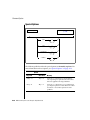
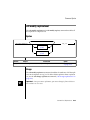
SPL Conflict Resolution for Simple Large Objects
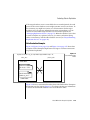
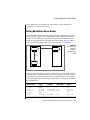
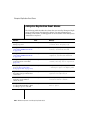
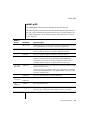
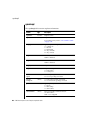
If the replicate is defined with an SPL conflict-resolution rule, the SPL routine
must return the desired action for each BYTE or TEXT column. When the
routine is invoked, information about each BYTE or TEXT column is passed to
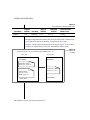
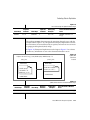
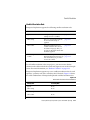
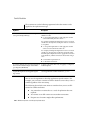
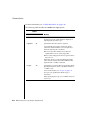
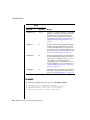
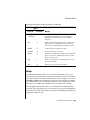
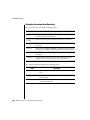
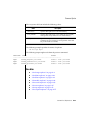
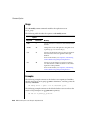
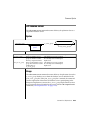
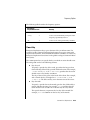
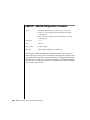
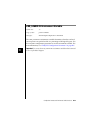
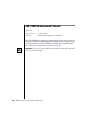
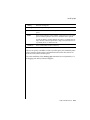
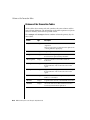
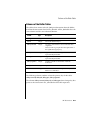
the routine as five separate fields. The following table describes the fields.
Argument
Description
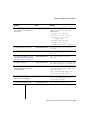
Column size (INTEGER)
The size of the column (if data exists for this
column).
NULL if the column is NULL.
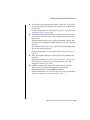
BLOB flag [CHAR(1)]
For the local row, the field is always NULL.
For the replicated row:
Column type [CHAR(1)]
ID of last update server
[CHAR(18)]
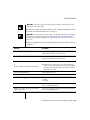
■
D indicates BYTE or TEXT data is sent from the
source database server.
■
U indicates BYTE or TEXT data is unchanged on
the source database server.
■
P indicates tablespace data.
■
B indicates blobspace data.
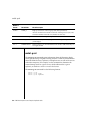
The ID of the database server that last updated
this column for tablespace data
For blobspace data: NULL
Last update time (DATETIME
YEAR TO SECOND)
For tablespace data: The date and time when the
data was last updated.
For blobspace data: NULL
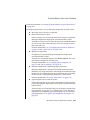
For information on creating stored procedures, see the IBM Informix Guide to
SQL: Tutorial.
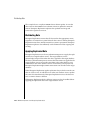
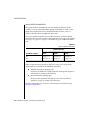
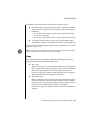
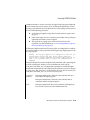
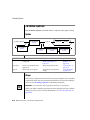
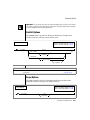
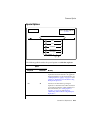
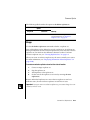
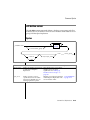
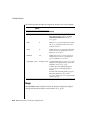
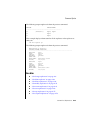
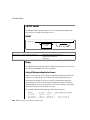
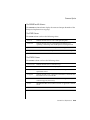
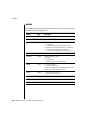
If the routine returns an action code of A, D, I, or U, the routine parses the
return values of the replicated columns. Each BYTE or TEXT column can
return a two-character field. For information about the action codes, refer to
“SPL Conflict-Resolution Rule” on page 3-14.
2-22
IBM Informix Dynamic Server Enterprise Replication Guide