1
for getting actual feedback from actual users, I just want to punch them in
the face.
Look, paper prototypes and sketches have their place in interaction design.
For example, they’re great for helping to quickly brainstorm various
different approaches to a problem at the beginning of a design process and
I’ve mentioned a lot of them already in this book.
But, in my opinion, they have several serious drawbacks.
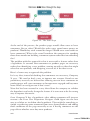
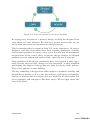
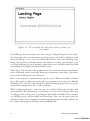
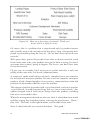
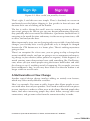
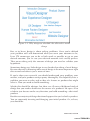
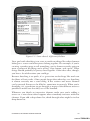
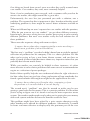
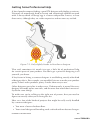
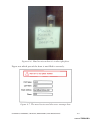
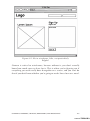
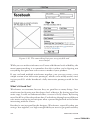
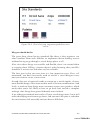
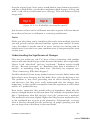
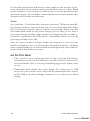
Figure 8-11. Nobody knows what this is
I like sketching in bars as much as the next person, but you have to admit
that it’s hard to run a decent usability study off of this.
Before I get too far into this, let me define what I mean by a paper prototype,
since I’ve heard people use the term to refer to everything from sketches on
actual pieces of paper (or cocktail napkins in a couple of cases) to full-color
mockups with a polished visual design.
In this instance, I’m referring to a totally noninteractive screen, mockup, or
sketch of any sort of application that is meant to be shared with customers
or test participants for the purpose of getting feedback on an idea. It can be
printed on actual paper or shown on a computer screen, but whatever the
viewer does to it, a paper prototype is not interactive.
So what don’t I like about them?
Screen versus Paper
This first peeve applies to screens that are actually printed out or drawn
directly on paper. With a few exceptions that I’ve listed below, I’ve found
Chapter 8: Diagrams, Sketches, Wireframes, and Prototypes 131
www.ATIBOOK.ir