1
5
Chapter 1
Introduction
The configurable binary instrumenter is a tool to do static binary instrumentation of x86
and x86 64bit linux elf binaries. It currently supports only dynamically linked executables
and libraries.
The instrumenter enables the instrumentation of function entry and exit locations, instrumentation of loops, and of call sites. Instrumentation is inserted according to a flexible
definition that is provided by the targeted measurement system. This is combined with
user modifyable filter specifications to limit the scope of the instrumentation to regions of
interest by using different rules and their combination, e.g., call path information.
This manual introduces to you the configurable binary instrumenter starting with a section
about how to build the instrumenter and execute it. In Chapter 4 it covers in detail how to
define an adapter specification, a file that is used to define which code to execute at instrumented locations. The filter specification, which is used to define multiple filters selecting
areas of the application that will become instrumented, is introduced in Chapter 5. That is
followed by a brief tutorial leading you through the process of using the instrumenter. In
the last Chapter we illustrate a few known issues.
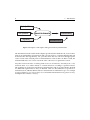
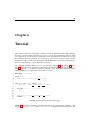
Figure 1.1 illustrates the necessary input to the binary instrumenter, and what is achieved
by it. There is the configurable binary instrumenter executable itself, which requires two
types of specification files: the adapter specification and the filer specification. Together
with a target binary, and possibly a measurement library, that results in a modified binary.
The adapter specification contains a description of the code that is inserted into the binary,
including new libraries and a tool dependent filter. The filter specification is intended to be
modified by the user to limit or in general select the scope of the instrumentation. Any filter
file can contain more than one filter, which of them to invoke is passed to the instrumenter
using command line arguments.
The current platform support is limited to the x86 and x86 64 platform due to Dyninst’s
current status. More on other restrictions can be found in 7.