1
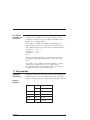
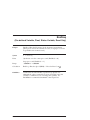
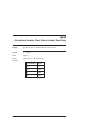
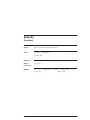
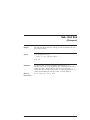
SLC500 to
OC950 Cable
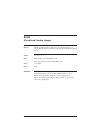
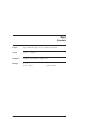
PLC5 to OC950
Cable
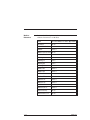
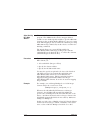
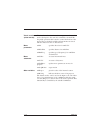
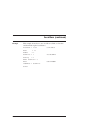
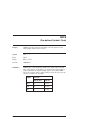
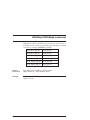
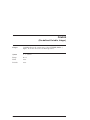
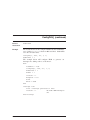
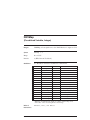
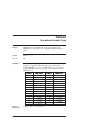
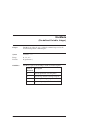
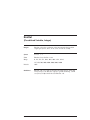
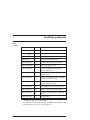
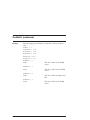
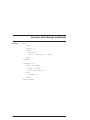
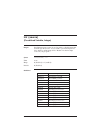
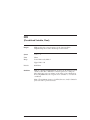
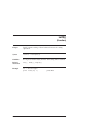
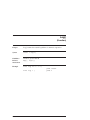
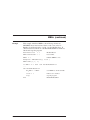
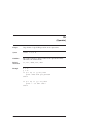
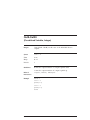
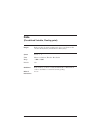
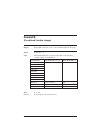
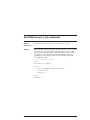
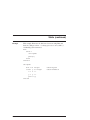
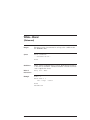
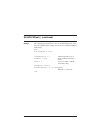
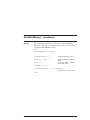
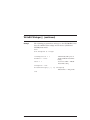
To establish Allen-Bradley DF1 communications between the
SC950 and the SLC500 PLC, the following connections are
required:
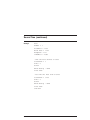
SC950 (J51) DB9
SLC500 (Channel 0) DB9
2 (RS232 TX)
2 (RS232 RX)
3 (RS232 RX)
3 (RS232 TX)
5 (Common)
5 (Common)
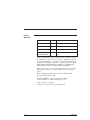
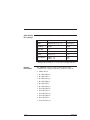
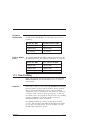
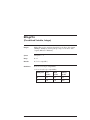
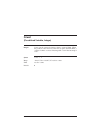
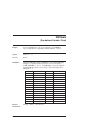
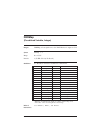
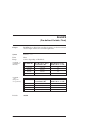
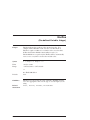
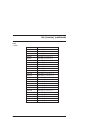
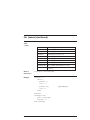
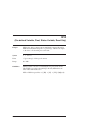
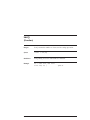
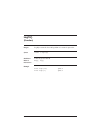
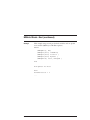
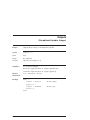
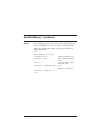
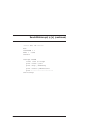
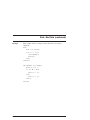
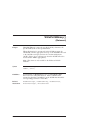
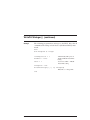
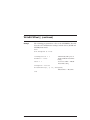
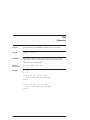
To establish Allen-Bradley DF1 communications between the
SC950 and the PLC5, the following connections are required:
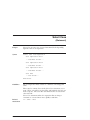
SC950 (J51) DB9
PLC5 (Channel 0) DB25
2 (RS232 TX)
3 (RS232 RX)
3 (RS232 RX)
2 (RS232 TX)
5 (Common)
7 (Common)
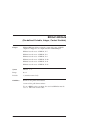
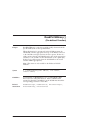
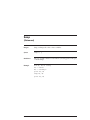
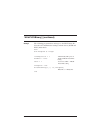
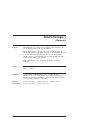
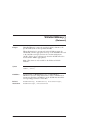
1.13 Cam Profiling
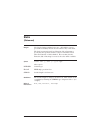
Note: The following functionality applies only to OC950s with
Enhanced Firmware. Standard OC950s are are not capable of
cam profiling.
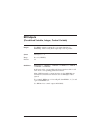
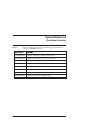
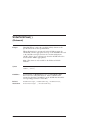
Definition
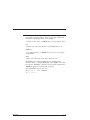
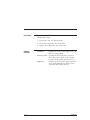
In the 950, a ‘cam’ is a cyclic, generally non-linear relationship
between master encoder position and slave (motor) position.
That is, the relationship between slave counts and master
counts is no longer a constant ratio, but changes as a function
of master counts. As in electronic gearing, once a ‘cam’ has
been made active, the program no longer needs to do anything
special to maintain it - the motion profile is repeated
indefinitely until the cam is deactivated.
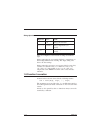
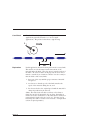
In camming terminology, a master is typically an external
encoder. The encoder is wired into the SC950 encoder input
port (connector J4 pins 21-24). It is also possible to use the
SC950’s virtual (internal) encoder.
MA950-LR
1 - 51