1
1.8.
THE MAP AND FILTER FUNCTIONS
21
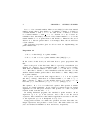
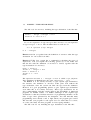
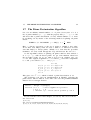
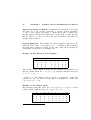
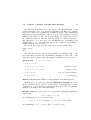
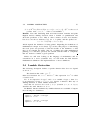
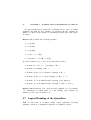
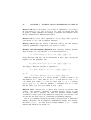
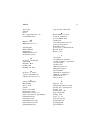
Prelude> map (>3) [1..9]
[False, False, False, True, True, True, True, True, True]
Prelude>
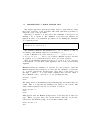
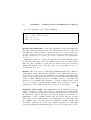
The function map is predefined in Haskell, but it is instructive to give
our own version:
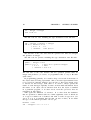
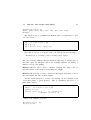
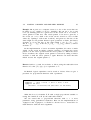
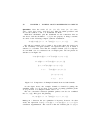
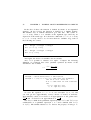
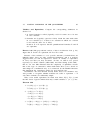
map :: (a -> b) -> [a] -> [b]
map f [] = []
map f (x:xs) = (f x) : (map f xs)
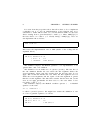
Note that if you try to load this code, you will get an error message:
Definition of variable "map" clashes with import.
The error message indicates that the function name map is already part of
the name space for functions, and is not available anymore for naming a
function of your own making.
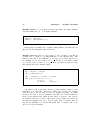
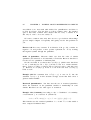
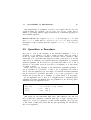
Exercise 1.20 Use map to write a function lengths that takes a list of
lists and returns a list of the corresponding list lengths.
Exercise 1.21 Use map to write a function sumLengths that takes a list of
lists and returns the sum of their lengths.
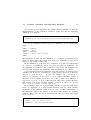
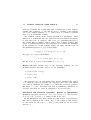
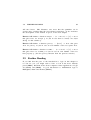
Another useful function is filter, for filtering out the elements from
a list that satisfy a given property. This is predefined, but here is a
home-made version:
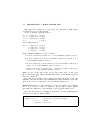
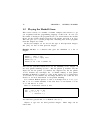
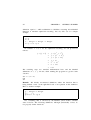
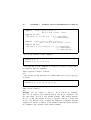
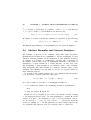
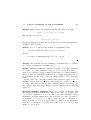
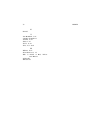
filter :: (a -> Bool) -> [a] -> [a]
filter p [] = []
filter p (x:xs) | p x
= x : filter p xs
| otherwise = filter p xs
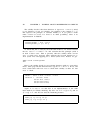
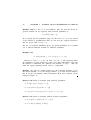
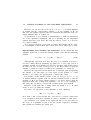
Here is an example of its use:
GS> filter (>3) [1..10]
[4,5,6,7,8,9,10]