1
CHAPTER 2. LECTURE NOTES
72
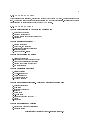
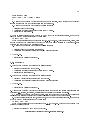
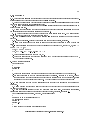
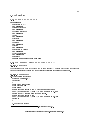
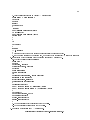
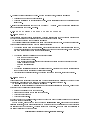
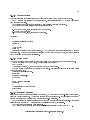
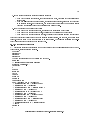
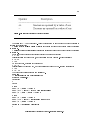
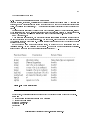
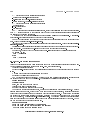
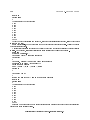
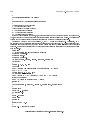
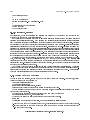
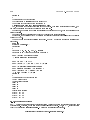
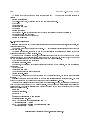
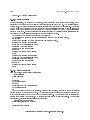
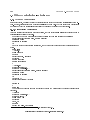
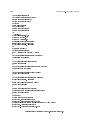
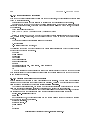
The preprocessor is a program that runs before the compiler. When it encounters an #include statement,
the preprocessor places the entire contents of the designated le into the current le.
Preprocessor directives and include statements allow the current le to use any of the classes, functions,
variables, and other code contained within the included le.
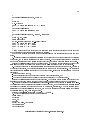
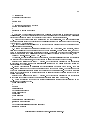
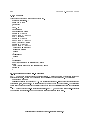
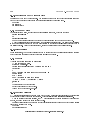
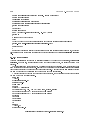
Example: To include the iostream.h le you use the following statement:
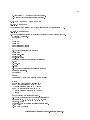
#include <iostream.h>
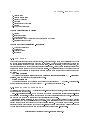
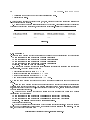
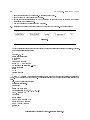
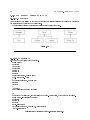
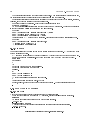
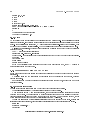
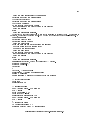
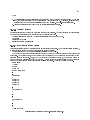
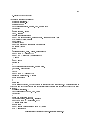
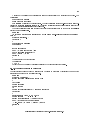
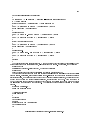
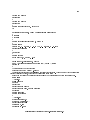
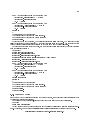
An i/o manipulator is a special function that can be used with an i/o statement. The endl i/o manipulator
is part of the iostream classes and represents a new line character.
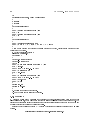
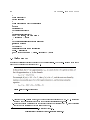
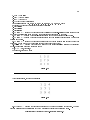
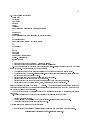
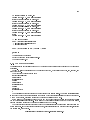
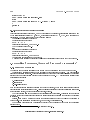
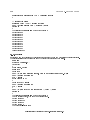
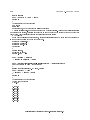
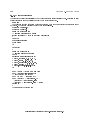
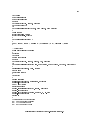
Example:
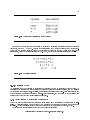
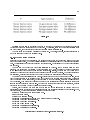
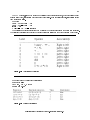
cout Program type: console application endl;
cout Create with: Visual C++ endl;
cout Programmer: Don Gesselin endl;
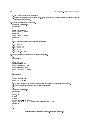
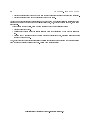
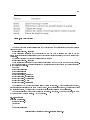
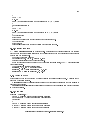
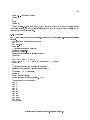
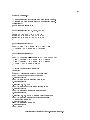
All statements in C++ must end with a semicolon. Large statements can span multiple lines of code.
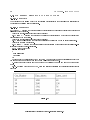
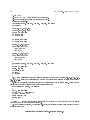
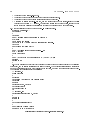
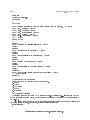
Example:
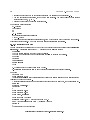
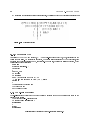
cout Program type: console application,
Create with: Visual C++ Programmer: Don Gesselin;
2.2.1.5 Comments
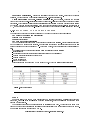
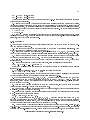
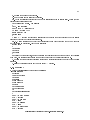
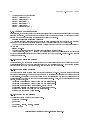
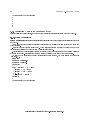
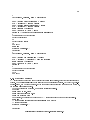
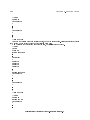
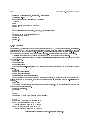
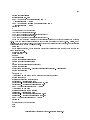
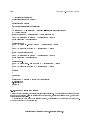
Comments are lines that you place in your code to contain various type of remarks. C++ support two types
of comments: line and block.
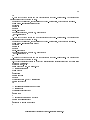
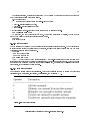
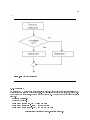
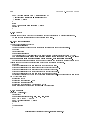
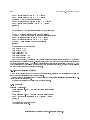
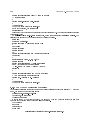
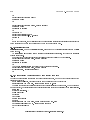
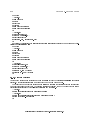
C++ line comments are created by adding two slashes (//) before the text you want to use as a comment.
Block comments span multiple lines. Such comments begin with /* and end with the symbols */.
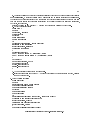
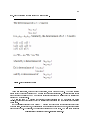
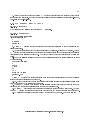
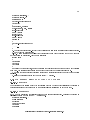
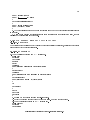
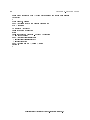
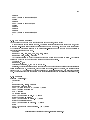
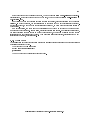
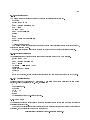
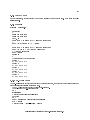
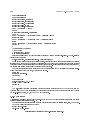
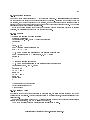
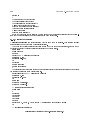
Example:
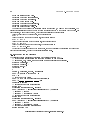
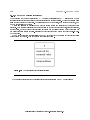
void main()
{
/*
This line is part of the block comment.
This line is also part of the block
comment.
*/
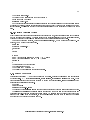
cout Line comment 1 ;
cout Line comment 2 ;
// This line comment takes up an entire line.
}
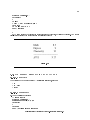
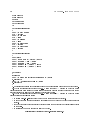
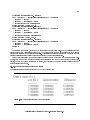
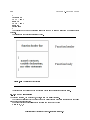
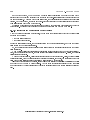
All programs should contain comments. They are
remarks, insights, wisdom in code without aecting the program. The compiler ignores comments
.
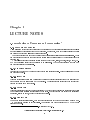
2.2.2 Data Types and Operators
2.2.2.1 Data Types
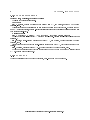
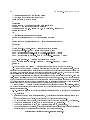
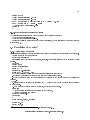
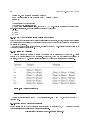
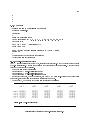
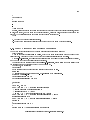
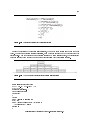
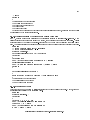
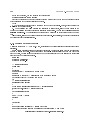
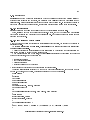
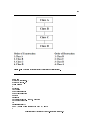
A data type is the specic category of information that a variable contains.
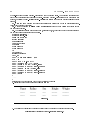
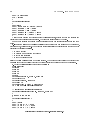
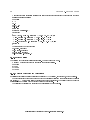
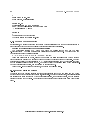
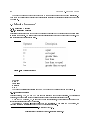
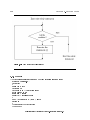
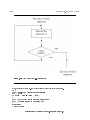
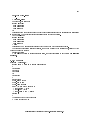
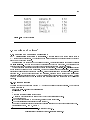
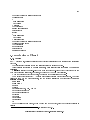
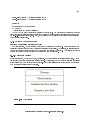
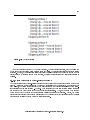
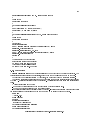
There are three basic data types used in C++: integers, oating point numbers and characters.
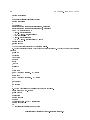
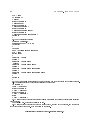
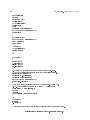
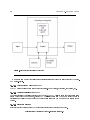
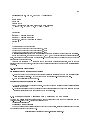
Integers
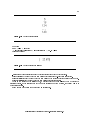
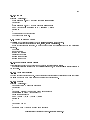
An integer is a positive or negative number with no decimal places.
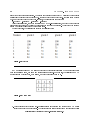
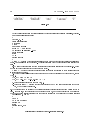
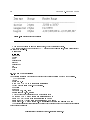
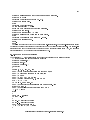
- 259 -13 0 200
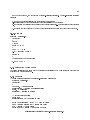
Floating Point Numbers
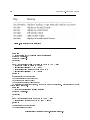
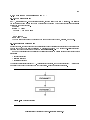
A oating point number contains decimal places or is written using exponential notations.
-6.16 -4.4 2.7541 10.5
Available for free at Connexions <http://cnx.org/content/col10788/1.1>