1
137
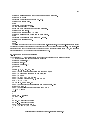
Note:
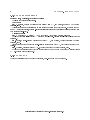
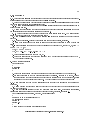
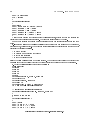
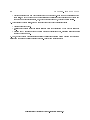
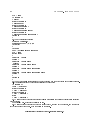
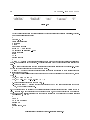
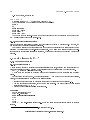
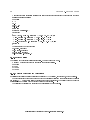
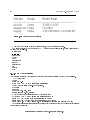
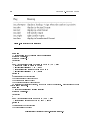
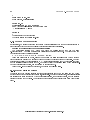
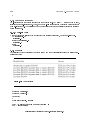
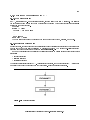
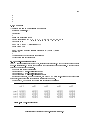
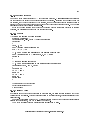
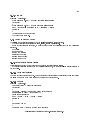
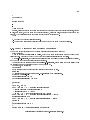
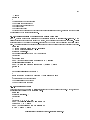
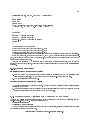
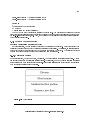
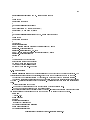
1. The initialization of static variables is done only once when the program is rst compiled. At compile
time, the variable is created and any initialization value is placed in it. Thereafter, the value in the
variable is kept without further initialization each time is called. (compile-time initialization).
2. All static variables are set to zero when no explicit initialization is given.
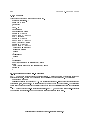
2.6.6.1.3 Register Variables
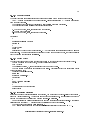
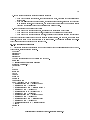
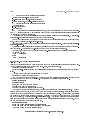
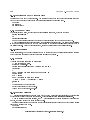
Register variables have the same time duration as automatic variables. The only dierence between register
and automatic variables is where the storage for the variable is located.
Register variables are stored in CPU's internal registers rather than in memory.
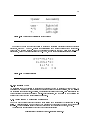
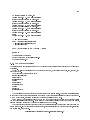
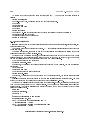
Examples:
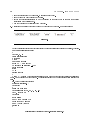
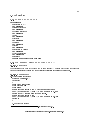
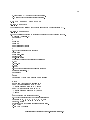
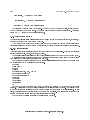
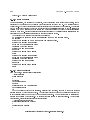
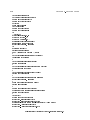
register int time;
register double difference;
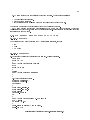
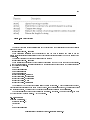
2.6.6.2 Global Variable Storage Classes
Global variables are created by denition statements external to a function. Once a global variable is created,
it exists until the program in which it is declared is nished executing.
Global variables may be declared as
static or extern (but not both).
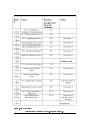
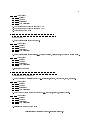
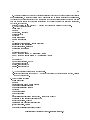
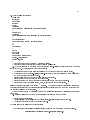
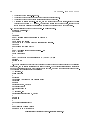
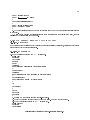
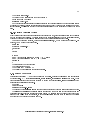
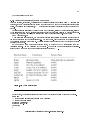
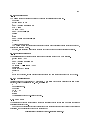
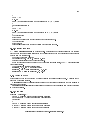
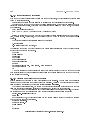
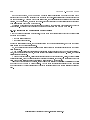
The purpose of the extern storage class is to extend the scope of a global variable beyond its normal
boundaries. To understand this, we must notice that the programs we have written so far have always been
contained together in one le. Thus, when you have saved or retrieved programs, you have only needed to
give the computer a single name for your program.
Larger programs typically consist of many functions
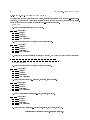
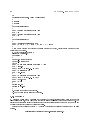
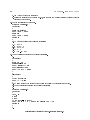
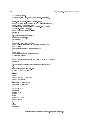
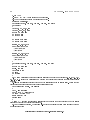
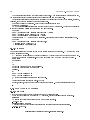
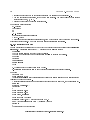
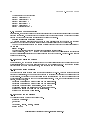
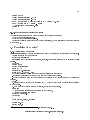
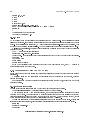
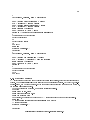
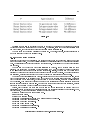
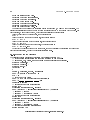
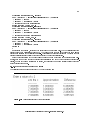
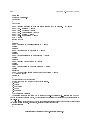
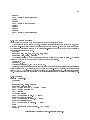
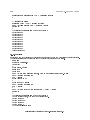
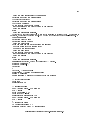
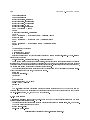
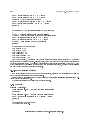
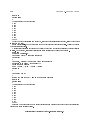
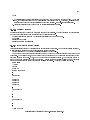
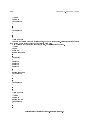
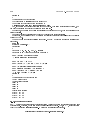
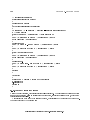
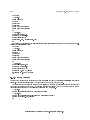
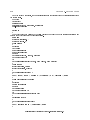
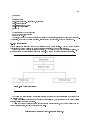
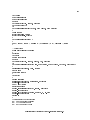
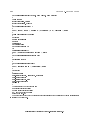
stored in multiple les and all of these les are compiled separately. Consider the following exaple.
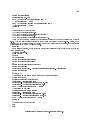
Example:
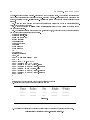
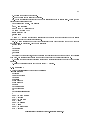
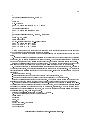
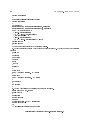
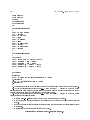
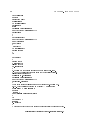
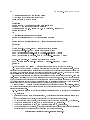
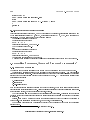
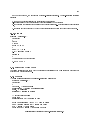
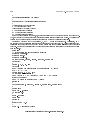
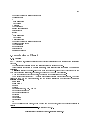
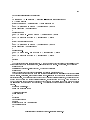
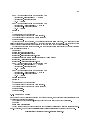
//file1
int a;
float c;
static double d;
.
.
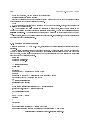
int main()
{
func1();
func2();
func3();
func4();
.
}
int func1();
{
.
.
}
int func2();
{
.
.
}
//end of file1
Available for free at Connexions <http://cnx.org/content/col10788/1.1>