1
form of gap level rejuvenation, known locally as sisipan system, is a farmer adapted technology which
can lead to a higher biodiversity as frequency of slashing and burning is drastically reduced. Nearly half
of the rubber farmers in Jambi have at least one plot under a sisipan management system; although
most of these also have plots under slash and burn systems.
1.6
Sisipan knowledge base
Local ecological knowledge of farmers practising the sisipan technique was investigated using the KBS
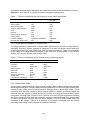
methodology developed by University of Wales, Bangor. Thirty farmers from five villages (Rantau
Pandan, Muara Buat, Sepunggur, Lubuk and Muara Kuamang) were interviewed and knowledge
statements were abstracted from the interviews. A knowledge base was developed using the
Agroecological Knowledge Toolkit software. A test of representativeness of the knowledge base was
carried out in these five villages.
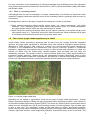
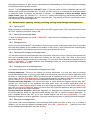
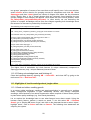
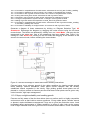
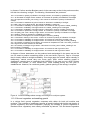
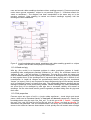
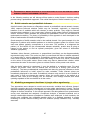
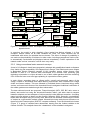
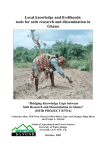
Figure 2: Jungle rubber farmer articulating his knowledge of sisipan
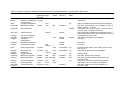
The current knowledge base contains over 600 knowledge statements covering a range of topics in the
sisipan context:
•
•
•
•
•
•
•
1.7
rubber seedling survival and growth
weeds and their role and positive and negative impact on rubber plants
wild pigs (a major player in the rubber agroforestry system in Jambi)
soil (hot and cool concept)
intra-species variation (red and yellow variants of rubber trees)
rubber seed (attributes)
non-rubber tree species in jungle agroforests.
How to consult the sisipan knowledge base
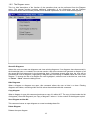
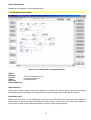
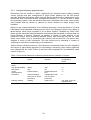
Some guidelines are provided in the following sections on how to open and explore the sisipan
knowledge base. The information contained in these sections is by no means a comprehensive
description of the whole knowledge base. Interested users ought to explore the knowledge base more
7