1
Inkjet Microarrayer Manual version 1.4
modified surface of a slide in order to synthesize new oligoarrays very rapidly and inexpensively.
Blanchard and Hood actually put together a prototype inkjet arrayer that was used as an asset
during the formation of Rosetta Inpharmatics. Rosetta (and then Agilent) went forward and
developed an elegant inkjet array synthesizer based on these original plans, but, because this is a
commercial instrument, it isn't simple enough to be constructed or maintained by a regular
molecular biology lab. In addition, it has taken more than 5 years of development to get a catalog
of inkjet arrrays to the end-user. This, we feel, has held up development of new methods that can
take advantage of the speed and flexibility inherent in this design. So we (the Hood Laboratory,
now at the ISB) decided to develop an inkjet arrayer that almost anybody can build and operate.
That is where the POSaM platform came from. We were not trying to compete with the
throughput of the industrial-size Agilent/Rosetta arrayer. It would cost too much to build that into a
machine for the end users (at this stage at least). We just wanted to make an instrument that
could be built and used by anybody interested so that new methods and designs could be
investigated to make better in situ synthesis array–much as the release of the plans for the pinspotter did for more traditional arrays.
We are not guaranteeing this instrument or the arrays it makes. It is an academic instrument
that works fairly well. It is good for prototyping arrays and designing and testing reporters. You
might want to start the design for your arrays on this machine and, when they work the way you
want, have Agilent or Nimblegen or Xeotron or Affymetrix make them for you in large enough
quantities and in high enough quality that you can do all your experiments. You could also use the
arrays from the POSaM platform itself and not order commercially made arrays. That is up to you
and how comfortable you feel with the results you have gotten. Presently, we feel most array
results need to be confirmed using different methods anyway. The bottom line is that you (any
good molecular biology lab with some organic chemistry experience and a little engineering help)
can build and run this instrument. You can make arrays and test methods. And you can do it fast
and inexpensively. We generally make 4 to 6 10K feature arrays of 40mer oligos overnight,
deprotect them the next morning, hyb, wash and scan them during the day, and have some
results within 24 hours of putting the slides on the machine. We figure the cost is less than $80
dollars per slide, including labor costs. That's quick and cheap, and quickness and cheapness
are good when you are designing something new. You can test lots of different reporters and
protocols and not bust your budget or have to wait weeks or months to do it. You need to keep in
mind that the printing element used in the POSaM was developed for the low-cost commercial
color printing market where 100% reliability is not expected, therefore the matter of quality control
is very important.
This is the technical and operational manual for the POSaM inkjet oligonucleotide synthesizer.
POSaM is open source and licensed under GNU type licenses. The idea is for the community to
help make a better machine and better methods by working together using a design funded by the
NIH, and therefore the public and we believe that instruments developed with public funds should
be available to the public. If you have questions or problems, call us at 206-732-1276 or email us
at [email protected]. We actually have some funds for user support and will be happy
to try to answer your questions so we can make a better machine together. Note that this is the
first edition of the user manuals and--while it makes perfect sense to us--we are familiar with the
instrument. It is possible that some of the instructions are really as clear as mud to everybody
else; we are counting on your input to make this a better document.
SYSTEM OVERVIEW
Here is a quick overview of how we built the arrayer. We tried to use off-the shelf components
wherever possible and we tried to keep the size reasonably compact. As a very rough estimate, it
can take one person three months to assemble this machine. This is based on the time spent by
students here on our second machine and includes purchasing lead time.
Overview of the arrayer
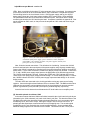
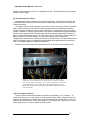
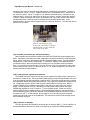
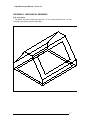
The arrayer is build around a three-axis servo positioning system mounted to an 89x119cm
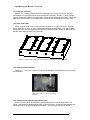
optical table and enclosed within a sealed acrylic cover. Array substrates are chucked into a
Teflon slide holder mounted to the Y-axis stage. A piezoelectric print head and six valved wash
55