1
0
1
2
3
4
5
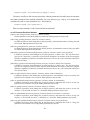
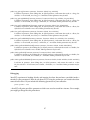
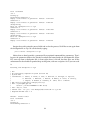
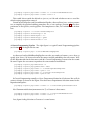
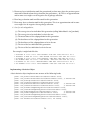
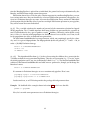
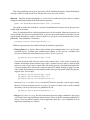
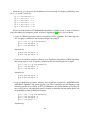
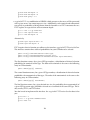
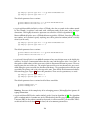
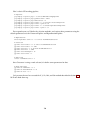
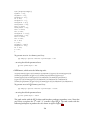
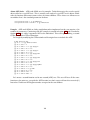
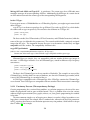
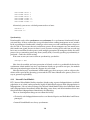
85.52637 0.011589747 3.4736328125 64.0 0.015384615 25 64.0 0.015384615 25
81.93652 0.0121164825 7.0634765625 59.0 0.016666668 30 59.0 0.016666668 30
78.8916 0.012612895 10.1083984375 53.0 0.018518519 36 53.0 0.018518519 36
76.83887 0.012973738 12.1611328125 55.0 0.017857144 34 53.0 0.018518519 36
74.421875 0.013421775 14.578125 51.0 0.01923077 38 51.0 0.01923077 38
71.825195 0.013957807 17.1748046875 49.0 0.02 40 49.0 0.02 40
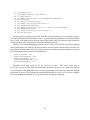
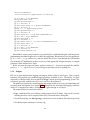
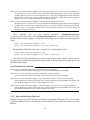
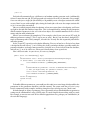
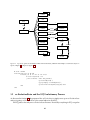
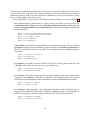
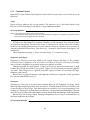
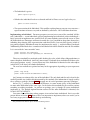
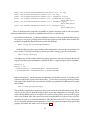
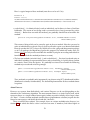
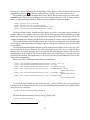
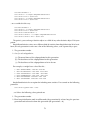
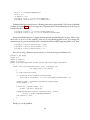
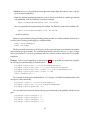
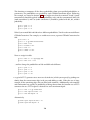
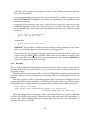
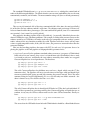
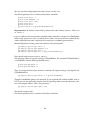
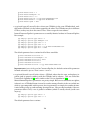
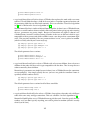
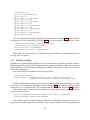
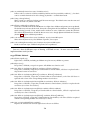
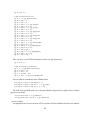
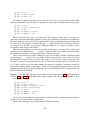
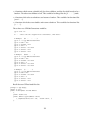
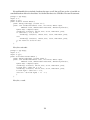
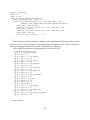
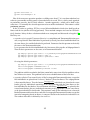
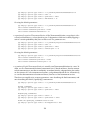
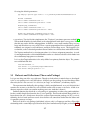
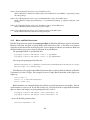
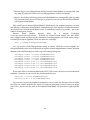
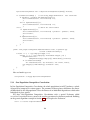
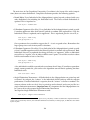
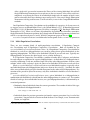
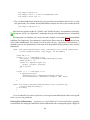
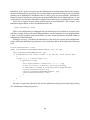
KozaShortStatistics has an option for including more statistics. If we turned on the following
parameter:
stat.child.0.gather-full = true
...we’d have the following values printed out:
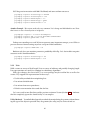
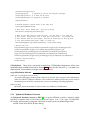
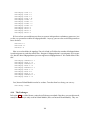
1. The generation number
2. How long initialization took in milliseconds (for generation 0), or how long the previous
generation took to breed to form this generation (for generations > 0).
3. How many bytes initialization took (for generation 0), or how many bytes the previous generation took to breed to form this generation (for generations > 0). This is an approximation
and in some cases might even be negative due to garbage collection.
4. How long evaluation took in milliseconds for this generation.
5. How many bytes evaluation took for this generation. This is an approximation and in some
cases might even be negative due to garbage collection.
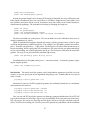
6. Once for each subpopulation...
(a) The average number of GPNodes used per individual this generation (its size)
(b) In the form [a|b|c...], the average number of GPNodes used for the first tree (a), second
tree (b), third tree (c), etc., of individuals this generation.
(c) The average number of GPNodes used per individual so far in the run
(d) The average depth of any tree per individual this generation
(e) In the form [a|b|c...], the average depth of the first tree (a), second tree (b), third tree (c),
etc., of individuals this generation.
(f) The average depth of any tree per individual so far in the run
(g) The mean standardized fitness of the subpopulation for this generation
(h) The mean adjusted fitness of the subpopulation for this generation
(i) The mean hits of the subpopulation for this generation
(j) The best standardized fitness of the subpopulation for this generation
(k) The best adjusted fitness of the subpopulation for this generation
(l) The best hits of the subpopulation for this generation
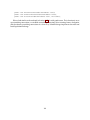
(m) The best standardized fitness of the subpopulation so far in the run
116