1
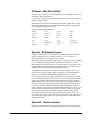
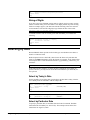
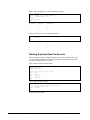
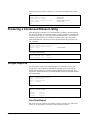
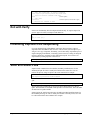
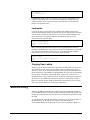
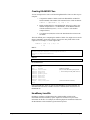
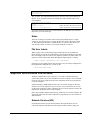
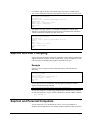
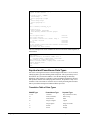
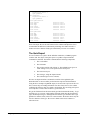
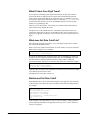
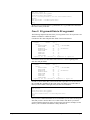
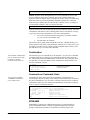
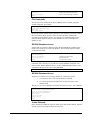
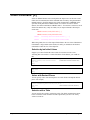
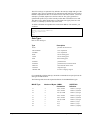
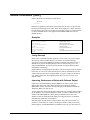
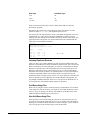
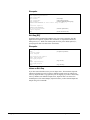
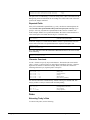
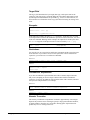
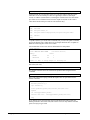
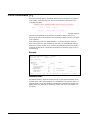
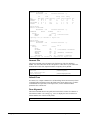
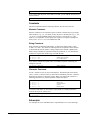
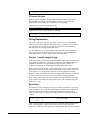
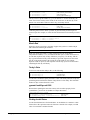
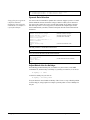
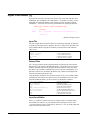
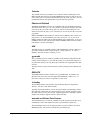
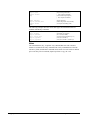
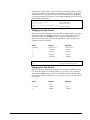
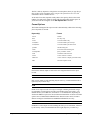
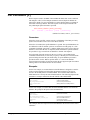
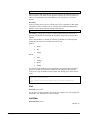
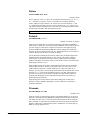
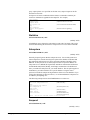
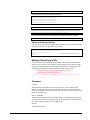
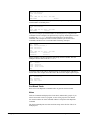
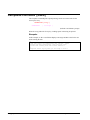
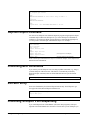
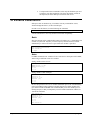
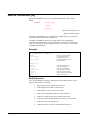
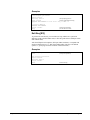
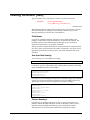
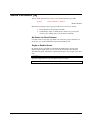
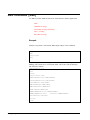
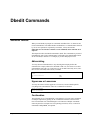
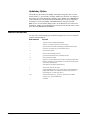
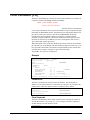
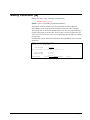
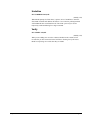
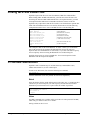
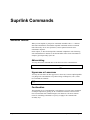
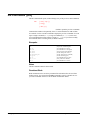
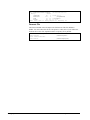
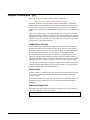
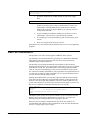
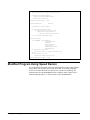
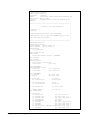
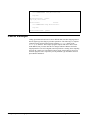
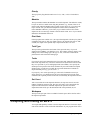
>get
d-sales
>if
sales-total>20000 and product-price<5000
>output result
>xeq
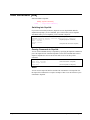
String of Digits
If you have a byte-type field that consists entirely of digits, and you want to use this
field as a numeric field, you need to define a new display field on top of the existing
field. For example, suppose your data looks like the following, where the customer
account number is stored in the 8-digit byte-type field at the start of the record:
20476789...rest of customer record...
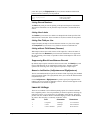
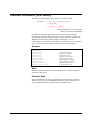
To find all customers with an account greater than 20470000, you would do the
following:
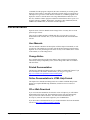
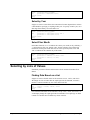
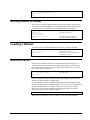
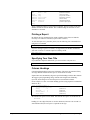
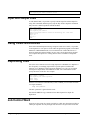
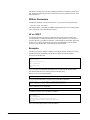
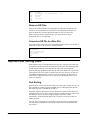
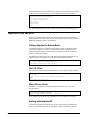
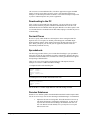
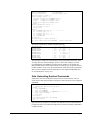
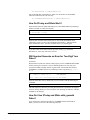
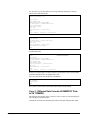
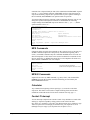
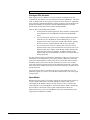
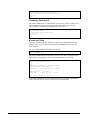
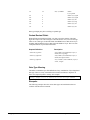
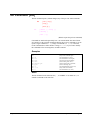
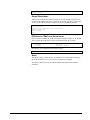
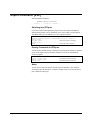
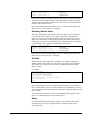
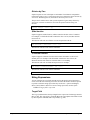
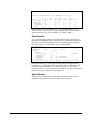
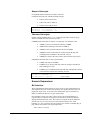
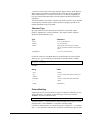
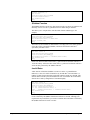
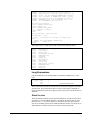
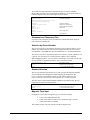
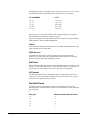
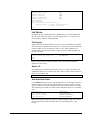
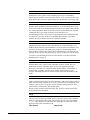
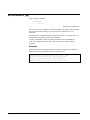
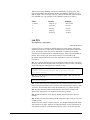
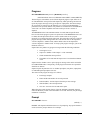
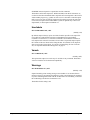
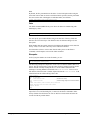
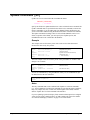
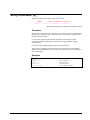
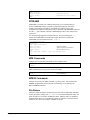
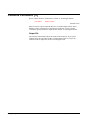
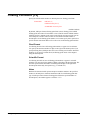
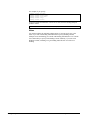
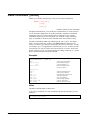
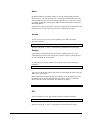
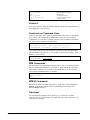
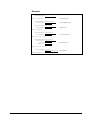
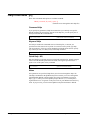
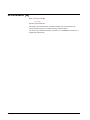
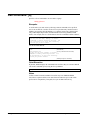
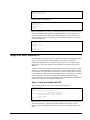
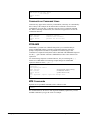
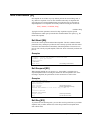
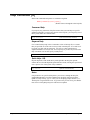
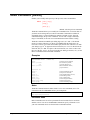
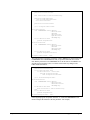
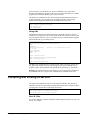
>get
>define
>if
>output
>xeq
dataset
accountnum, account, 8, display
accountnum > 20470000
result
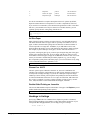
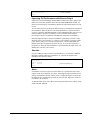
Selecting by Date
Because IMAGE doesn't provide a built-in date type, most databases store dates as
numeric or character fields.
Before Suprtool can use a date field, it has to know the format of a particular date
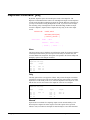
field. Use the Item command to specify the format. For example, to tell Suprtool that
the item purch-date is a date field with a format of yyyymmdd (e.g., 20010319), you
would use:
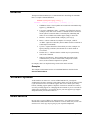
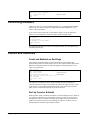
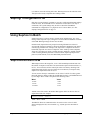
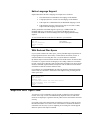
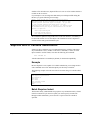
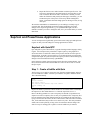
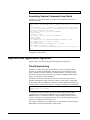
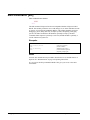
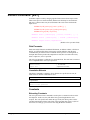
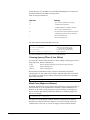
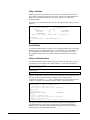
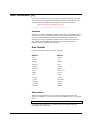
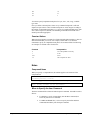
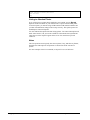
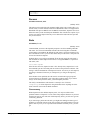
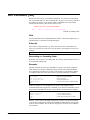
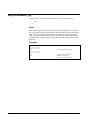
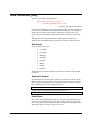
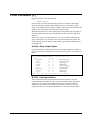
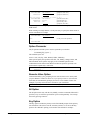
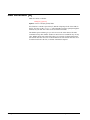
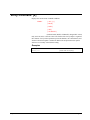
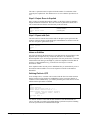
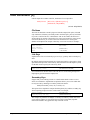
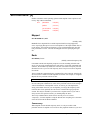
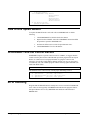
>item
purch-date, date, yyyymmdd
{date format}
In the following date examples, we show the Item command in each example. In
practice, however, you only need to use the Item command once per date field, not
once per task.
Select by Today's Date
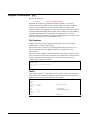
For this example, select all the sales records whose purchase date is today. Note the
use of $today in the If command to indicate today's date.
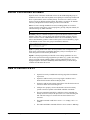
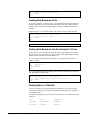
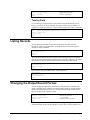
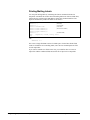
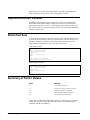
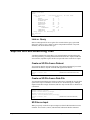
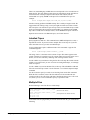
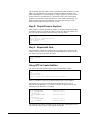
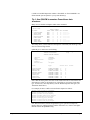
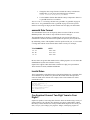
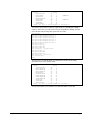
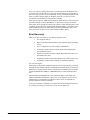
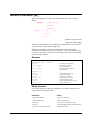
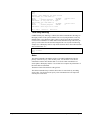
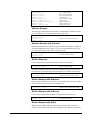
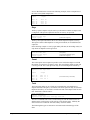
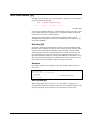
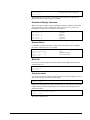
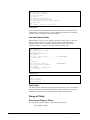
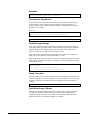
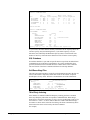
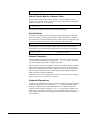
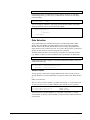
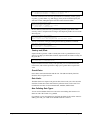
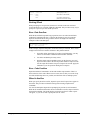
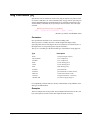
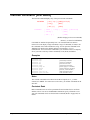
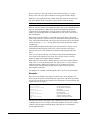
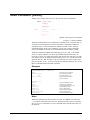
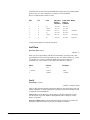
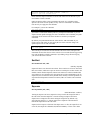
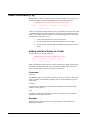
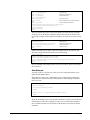
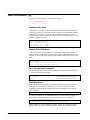
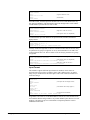
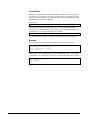
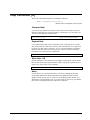
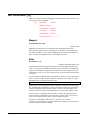
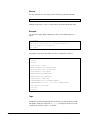
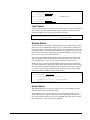
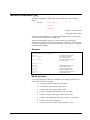
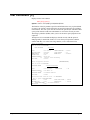
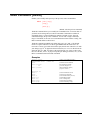
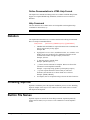
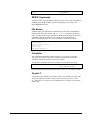
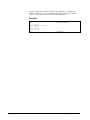
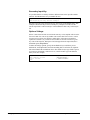
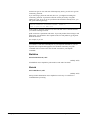
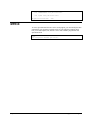
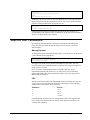
>get
>item
>if
>output
>xeq
d-sales
purch-date,date,yyyymmdd
purch-date = $today
result
{select today's date}
Other tricks with $today
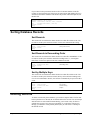
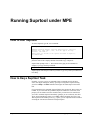
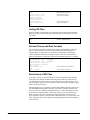
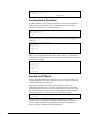
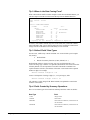
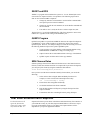
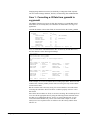
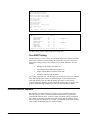
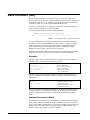
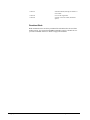
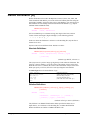
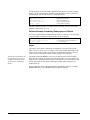
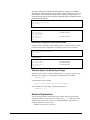
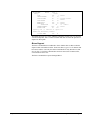
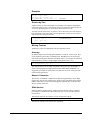
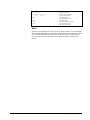
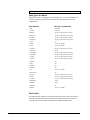
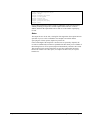
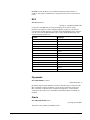
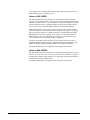
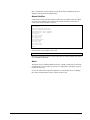
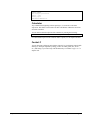
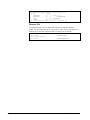
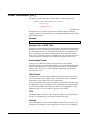
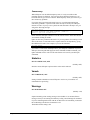
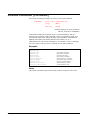
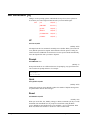
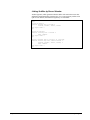
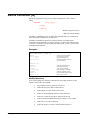
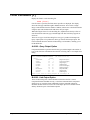
>if
>if
purch-date = $today(-1)
purch-date = $today(+1)
{yesterday}
{tomorrow}
Select by Particular Date
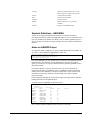
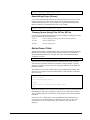
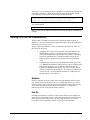
To specify a particular date, use the $date function in the If command. The $date
function has the form $date(year /month /day). This example selects all the sales
transactions for August 12, 2000.
22 • Getting a Quick Start with Suprtool
Suprtool 4.6 for HP e3000