1
The Phoenix panel is comprised of a 51 well ID side and an 85 well AST side. The ID side
contains 45 wells with dried biochemical substrates and 2 fluorescent control wells. The AST
side contains 84 wells with dried antimicrobial agents and 1 growth control well. Panels are
available as ID only (Phoenix™ NID Panels and Phoenix™ PID Panels), AST only (Phoenix™
NMIC Panels and Phoenix™ PMIC Panels), or ID/AST combination (Phoenix™ NMIC/ID
Panels and Phoenix™ PMIC/ID Panels). Unused wells are reserved for future se.
Phoenix panels are inoculated with a standardized inoculum. Organism suspensions must be
prepared only with the BBL™ CrystalSpec™ or BD PhoenixSpec™ nephelometer. Once
inoculated, panels are placed into the instrument and continuously incubated at 35°C. The
instrument tests panels every 20 minutes: on the hour; at 20 minutes past the hour; and again
at 40 minutes past the hour up to 16 hours if necessary. Phoenix panels are read only by the
instrument. Phoenix panels cannot be read manually.
Bacterial Identification: The ID portion of the Phoenix panel utilizes a series of conventional,
chromogenic, and fluorogenic biochemical tests to determine the identification of the organism.
Both growth-based and enzymatic substrates are employed to cover the different types of
reactivity in the range of taxa. The tests are based on microbial utilization and degradation of
specific substrates detected by various indicator systems. Acid production is indicated by a
change in the phenol red indicator when an isolate is able to utilize a carbohydrate substrate.
Chromogenic substrates produce a yellow color upon enzymatic hydrolysis of either
p-nitrophenyl or p-nitroanilide compounds. Enzymatic hydrolysis of fluorogenic substrates
results in the release of a fluorescent coumarin derivative. Organisms that utilize a specific
carbon source reduce the resazurin-based indicator. In addition, there are other tests that
detect the ability of an organism to hydrolyze, degrade, reduce, or otherwise utilize a substrate.
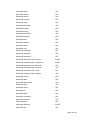
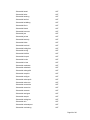
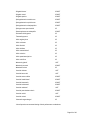
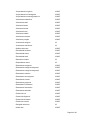
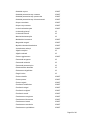
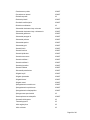
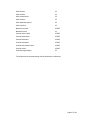
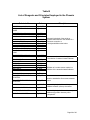
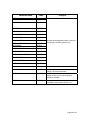
A complete list of taxa that comprises the Phoenix ID Database is provided in Table A.
Reactions employed by various substrates and the principles employed in the Phoenix ID
reactions are described in Table B.
Antimicrobial Susceptibility Testing: The Phoenix AST method is a broth based
microdilution test. The Phoenix system utilizes a redox indicator for the detection of organism
growth in the presence of an antimicrobial agent15. Continuous measurements of changes to
the indicator as well as bacterial turbidity are used in the determination of bacterial growth.
Each AST panel configuration contains several antimicrobial agents with a range of two-fold
doubling dilution concentrations. Organism identification is used in the interpretation of the MIC
values of each antimicrobial agent producing Susceptible, Intermediate, or Resistant (SIR)
result classifications.
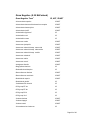
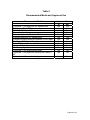
A complete list of taxa for which the Phoenix system can provide AST results is provided in
Table A. The list of antimicrobial agents and concentrations available for susceptibility testing in
the Phoenix system is provided under Performance Characteristics.
There are antimicrobial agents for use with the Phoenix System that are not proven to be
effective for treating infections for all organisms listed in the taxa. For interpreting and reporting
results of antimicrobial agents that have been shown to be active against organism groups both
in vitro and in clinical infections refer to the individual pharmaceutical antimicrobial agent
labeling. Alternatively, refer to the most recent CLSI M100 Performance Standard, Table 1
“Suggested Groupings of US FDA-Approved Antimicrobial Agents That Should Be Considered
for Routine Testing and Reporting on Organisms by Clinical Microbiological Laboratories”16.
The components required for testing using the Phoenix system include: 1) Phoenix panels with
panel closures, 2) Phoenix ID Broth, 3) Phoenix AST Broth, 4) Phoenix AST Indicator solution,
5) Phoenix Inoculation Station, 6) Phoenix Panel Caddy, 7) BBL CrystalSpec or BD
PhoenixSpec nephelometer, 8) 25 µL pipettor and sterile tips, and 9) Miscellaneous lab
supplies (listed under Materials Required But Not Provided).
Prior to inoculation the Phoenix panel is placed on the Inoculation Station with the inoculation
ports at the top for filling. Separate inocula are added manually to the ID and AST ports. The
Page 2 of 30