1
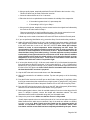
inocula flow down the panel in serpentine fashion, filling the panel wells as the liquid front
progresses toward the pad. The pad absorbs excess inoculum. Closures are manually inserted
in the fill ports. An air admittance port is located in the divider area of the panel lid to ensure
adequate oxygen tension in the panel for the duration of the test.
INGREDIENTS
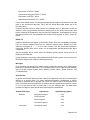
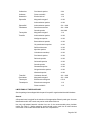
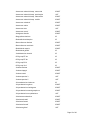
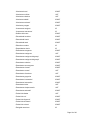
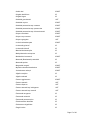
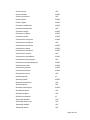
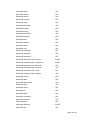
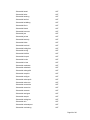
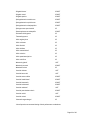
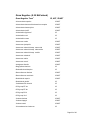
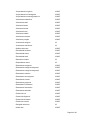
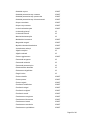
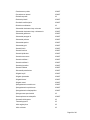
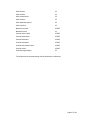
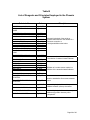
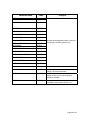
For a listing of biochemical substrates used in the Phoenix panel refer to Table B. The package
insert enclosed in the panel box provides a listing of the specific antimicrobial agents and
concentrations found in the panel.
PRECAUTIONS
For in vitro Diagnostic Use.
All patient specimens and microbial cultures are potentially infectious and should be treated
with universal precautions. Please refer to CDC manual Bio-safety in Microbiological and
Biomedical Laboratories, 4th Edition, 1999, as well as other recommended literature.
Prior to discarding, sterilize specimen containers and other contaminated materials by
autoclaving.
Panels, once inoculated, should be handled carefully until placed in the instrument.
STORAGE AND HANDLING
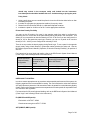
Phoenix Panels: Panels are individually packaged and must be stored unopened at room
temperature (15 - 25°C). Do not refrigerate or freeze. Visually inspect the package for holes or
cracks in the foil package. Do not use if the packaging or panel appears to be damaged. If
stored as recommended, the panels will retain expected reactivity until the date of expiration.
Phoenix ID Broth: Tubes are packaged as 100 tube packs. Visually inspect the tubes for
cracks, leaks, etc. Do not use if there appears to be a leak, tube or cap damage or visual
evidence of contamination (i.e., haziness, turbidity). Store Phoenix ID Broth tubes at 2-25°C.
Expiration dating is shown on the tube label.
Phoenix AST Broth: Tubes are packaged as 100 tube packs. Visually inspect the tubes for
cracks, leaks, etc. Do not use if there appears to be a leak, tube or cap damage or visual
evidence of contamination (i.e., haziness, turbidity). Store Phoenix AST Broth tubes at 2-25°C.
Expiration dating is shown on the tube label.
Phoenix AST Indicator Solution: The indicator solution is individually pouched and packaged
as a package of 10 dropper bottles. Visually inspect the bottle for cracks, leaks, etc. Do not use
if there appears to be a leak, bottle or cap damage or any change from a dark blue color. Store
Phoenix AST Indicator Solution at 2-8°C. Each bottle contains enough solution to test up to 100
panels. Expiration dating is shown on the box, pouch, and bottle label and is for unopened
bottles. An opened bottle is stable for up to 14 days if stored at 2-8°C. Be sure the bottle is
held vertically when dispensing the AST Indicator Solution.
SPECIMEN COLLECTION AND PROCESSING
The Phoenix system is not for use directly with clinical specimens. Only pure culture isolates of
aerobic and/or facultatively anaerobic Gram Negative organisms are acceptable for testing.
The test isolate must be a pure culture. It is recommended that cultures be no more than 24
hours old unless additional incubation is required to achieve sufficient growth.
Isolates must be tested with a Gram stain test to assure the appropriate selection of Phoenix
panel type. Once the Gram stain reaction is confirmed, select the appropriate Phoenix panel for
Page 3 of 30