1
C hapter 1
Introduction
Let's face it: the human memory sucks. We forget in a month even the most important
ideas in that excellent book we read. We cram the night before a test, only to forget
everything in a week. We forget the Five Big Things we’re supposed to remember when
assessing a project proposal. We never get around to remembering all those guitar chords
with their many variations and configurations. The list goes on.
What can we do? Our memory, despite its limitation, is still a powerful tool in the human
arsenal. Sure, a new and better brain might be nice, but until that’s possible we must
focus on making the most of what we have. Many methods for improving human
memory retention exist, but one that stands out above the rest is active recall testing.
Active recall testing is, basically, repeatedly exposing you to material to force yourself to
recall it. If recall succeeds, the memory is strengthened; if recall fails, you refresh the
memory and recall it again.
Enter Anki, a handy little free piece of software available on all major platforms—
Windows, Mac OS X, iPhone, Android, and so on. Anki is an invaluable tool for
creating, learning, and reviewing practically anything with some “structure” to it. From
guitar chords to philosophical arguments to languages to productivity advice, Anki can
help you remember it all. Anki is both flashcard software and spaced repetition software. In
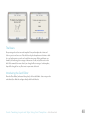
short: it presents you with a question (Who was the sixteenth president of the USA?).
Once you’ve recalled the answer (Abraham Lincoln), this card will be presented again
right when Anki thinks you’re about to forget, thereby refreshing and strengthening the
memory.
Sounds too simple, you say? Well, there is a bit more to it than that—and much more
you can do with Anki—but that’s the basic idea.
Introduction – Anki Essentials
3