1
US007551993B1
(12) Umted States Patent
(10) Patent N0.2
Cancilla et a].
(54)
(45) Date of Patent:
(73)
4,418,388 A
11/1983 Allgor et a1. ........... .. 364/431.1
SYSTEM AND METHOD
4,658,370 A
4/1987 Erman et a1. .............. .. 364/513
Inventors: Jim Cancilla, San Jose, CA (US); Sunil
Reddy, Corpus Christi, TX (US); Jeff
Grier, Royal Oak, MI (US); Brad
5,250,935 A
H1273 H
5,337,320 A
Boscove et a1. ...... .. 364/551.01
5,442,549 A
8/1995 Larson
Mount Prospect, IL (US); Carl
Krzystofczyk, Mount Prospect, IL (US)
5,533,093 A
5,633,197 A
7/1996 Horton et a1. ............... .. 379/21
5/1997 Lur et a1. .................. .. 438/668
Assigneei Snap-0n Incorporated, Kenosha, WI
Notice:
1/1989
10/1993 Jonker et a1. ........... .. 345/134
1/1994 Novick ..................... .. 434/224
8/1994 Kung ...................... .. 371/151
Lewis, Gilroy, CA (US); Dale Trsar,
(Us)
(*)
*Jun. 23, 2009
DIAGNOSTIC TREE SUBSTITUTION
4,796,206 A
(75)
US 7,551,993 B1
5,835,871 A
11/1998 Smith et a1. .
6,141,608 A
10/2000 Rother ...................... .. 701/33
7,373,226 B1*
Subject to any disclaimer, the term of this
patent is extended Or adjusted under 35
.. 364/424.01
701/29
5/2008 Cancilla et a1. ............. .. 701/29
FOREIGN PATENT DOCUMENTS
U.S.C. 154(b) by 805 days.
EP
991 0 8097.9
4/2002
This patent is subject to a terminal dis
claimer.
* cited by examiner
(21) App1.No.: 11/188,919
Primary ExamineriGertrude Arthur J eanglaud
(74) Attorney, Agent, or FirmiMcDonnell Boehnen Hulbert
& Berghoff LLP
(22)
Filed;
Jul_ 25, 2005
(51)
Int. Cl.
G01M 1 7/00
(52)
US. Cl. ........................... .. 701/29; 701/30; 701/32;
(58)
_
_
_
701/33; 340/438; 340/439
Held 01' Classl?catlon Search ........... .. 70l/29i30,
A system and method for identifying and substituting proce
dures in an OEM diagnostic tree With alternate procedures
_ _
70162736; 340/425_'5’ 438’ 439
See apphcanon ?le for Complete Search hlstory'
analyzed by highly experienced technicians to eliminate the
use of potentially unavailable equipment and make the diag
(56)
(2006.01)
(57)
References Cited
ABSTRACT
nostic tree more accessible to a greater number of technicians.
The system includes a diagnostic tree editor and a library.
U.S. PATENT DOCUMENTS
4,418,338 A
11/1983
Burt ......................... .. 340/578
DIAGNOSTIC
INFORMATION PORTAL
195
108
INTERNET
1.12
DIAGNOSTIC
INFORMATION
STORE
1.12
20 Claims, 11 Drawing Sheets
US. Patent
Jun. 23, 2009
Sheet 1 0f 11
US 7,551,993 B1
_.
.OEqm
0.5 .29518?
a
0:.w25 ZOPCQEKm
wmprw
US. Patent
Jun. 23, 2009
Sheet 4 0f 11
US 7,551,993 B1
Fig. 4
Select an OEM
‘
402
diagnostic tree
for modi?cation
Modify and
\f- 404
optimize tree
Yes
Save in template
406
library with
metadata as
f
Optimized Tree
Template
Additional trees to
evaluate’?
408
US. Patent
Jun. 23, 2009
US 7,551,993 B1
Sheet 5 0f 11
Fig. 5
Select a
diagnostic tree
for optimization
J 502
(Subject)
Comparison engine
selects appropriate
optimized tree template
f 504
based on metadata
Evaluate and compare branches
of subject to corresponding
branches of model tree
Yes
508 *7
Do branches
match?
Substitute branch
from optimized tree
template in subject
512
Flag branch for
review by SME
514
516
Additional trees
to evaluate?
CD CD
I01
US. Patent
Jun. 23, 2009
gig
...)
Sheet 6 0f 11
US 7,551,993 B1
Fig. 6
SME
selects a y- 602
provisional
optimized
diagnostic tree
4,
Select a ?agged
branch
ls it
acceptable?
S 604
"Provisiona|”
status removed _)' 6° t0 Step 602
610
Yes
Editbranch %
"Provisional"
status removed
—9| Goto step 602
Revert back to
original branch \I— 616
J’
status removed
Additional
branches to
evaluate?
0O
I03
US. Patent
Jun. 23, 2009
US 7,551,993 B1
Sheet 7 0f 11
Fig. 7
identify a speci?c
—) procedure in OEM
diagnostic tree
l
Have expert
702
704
technician create
an alternate
procedure
1
Yes
Store alternate
706
procedure in
library
Additional
procedures to
look at?
708
US. Patent
Jun. 23, 2009
Sheet 8 0f 11
US 7,551,993 B1
Fig. 8
Identify a speci?c
——9i procedure in OEM
diagnostic tree
1
Compare
procedure to
f 801
f 802
substitutions in
library
Yes
is there a
match?
Substitute
procedure with
alternate procedure
2 804
Additional
procedures to
look at?
la)
US. Patent
Jun. 23, 2009
Sheet 10 0f 11
US 7,551,993 B1
Receive a diagnostic tree and a library of
tests which can be performed to diagnose
causes of faults listed in the diagnostic tree
1
K1004
Receive another diagnostic tree
l
K1006
Compare the two diagnostic trees to identify
matching information relating to faults
experienced by the automotive vehicles
l
K1008
Produce a second library of tests
corresponding to the second diagnostic tree
that can be performed to diagnose causes of
faults listed in the second diagnostic tree
Fig. 10
US. Patent
Jun. 23, 2009
Sheet 11 0111
US 7,551,993 B1
@
1 1 ()2 j/ New Diagnostic
Tree
4'
1 104 1/ Link to vehicle ID
Similar to
1 106
N0
Analyze each node
with natural language
1 1 14 j/ engine and look for
work around based
New ‘System,
not slmllar ‘£0 a
others
1 1 08
on platform
1 1 16
‘L
Expert creates
new work a
Work Around
around
found?
i
Work around
E
.
1118j
rt
Xpe
.
1110
library
,
a
11 12
reviews
links to work
/ or “st approved
nodes
around or lists a 1 122
node as
approved
Y
1
w
Approved nodes
processed
L
Expert
approves
node
2
1 124
Fig. 1 1
US 7,551,993 B1
1
2
DIAGNOSTIC TREE SUBSTITUTION
SYSTEM AND METHOD
iariZation. Other more speci?c symptoms can then be
assigned to speci?c vehicles for Which particular problems
are knoWn to exist.
In developing test procedures, expert automotive techni
cians may evaluate each individual symptom for each speci?c
vehicle. Based on their experience, they develop a list of
BACKGROUND
1. Field of the Application
This application relates generally to test and diagnostic
systems for machines or other operating equipment. More
causes for each symptom and determine a test procedure the
user should perform for each cause. The experts attempt to
cover any diagnostic trouble code that could be set by each
speci?c automotive vehicle. As a result, an expert technician
particularly, the application relates to an automated process
for optimiZing diagnostic trees. While the application is
Will manually prepare automotive diagnostic code tips Within
the diagnostic trees, repair procedures, component opera
described in the context of a vehicle diagnostic system and
method, the principles of the present application are equally
tions, testing processes and other similar functions for all
possible vehicle problems and this information can then be
displayed in a diagnostic tool. HoWever, the experts then
applicable for air conditioning testing and servicing systems,
Wheel systems, as Well as for various non-automotive appa
ratus.
spend much time preparing many hypothetical repair pro
2. Description of the Related Art
cesses that are never used because many of the problems
never occur. It is estimated that more than 80% of this infor
Automotive vehicles are becoming highly computeriZed
products. Consequently, a number of different types of diag
mation is never used, read, or selected by a technician. This
nostic tools have been used to assist in diagnosis and repair of
fault conditions in automotive vehicles. Such diagnostic tools
information is still necessary, though, because technicians
need to be prepared for all problems.
can typically be connected to an on-board computer of a
In addition, many diagnostic trees are identical or similar in
content and structure from year to year. HoWever, each tree
for a neW model should still be evaluated by a Subject Matter
vehicle in order to doWnload and analyZe vehicle operational
information from the on-board computer. For example, a
diagnostic tool may obtain information about a vehicle’s
engine, transmission, mechanical systems, air conditioning
25
systems, braking system, poWer system, or any other system.
model or a similar vehicle in part or in total. This process can
Automotive mechanics are increasingly relying upon com
puteriZed diagnosis of vehicle operational information that
can be accessed via a vehicle on-board computer to diagnose
and repair vehicle faults. This information is often in the form
30
of diagnostic trees, Which are created by Original Equipment
Manufacturers (OEMs). Diagnostic tools typically alloW a
user to enter information, including fault symptoms, into the
diagnostic tool to be used instead of or in conjunction With the
information doWnloaded from the vehicle’s on-board com
puter to diagnose and assist in the repair of fault conditions in
the vehicle.
A number of different types of diagnostic tools have been
used, such as engine analyZers, Which are designed to monitor
Expert (SME) to determine if the existing knoWledge (e.g.,
diagnostic code tips) for a speci?c vehicle applies to the neW
take a signi?cant amount of time and effort, and is repetitive
for SMEs, Which assist in the evaluation of many other diag
nostic systems and data.
Furthermore, the manufacturer’s diagnostic trees are Writ
ten assuming the availability of speci?c equipment. Techni
cians that do not have the equipment speci?ed may not be able
to folloW the diagnostic trees for symptom resolution. There
35
fore, While revieWing diagnostic tress, SMEs may substitute
methods in a tree With alternate methods for obtaining the
same information, Which can make the diagnostic tree more
accessible to a greater number of technicians. The SMEs
usually go through each tree and type the changes by hand,
40
a variety of operating conditions of an internal combustion
engine, and scanners for doWnloading data from vehicle on
Which again takes a signi?cant amount of time and effort.
SUMMARY
board computers. In addition, diagnostic tools may include
laboratory-type tools like oscilloscopes, digital volt-Ohm
meters (DVOM) and the like.
Any of these diagnostic tools may be used With a computer
based diagnostic platform that permits a fault-based drivabil
ity diagnosis of a vehicle. The platform may present a user
With a menu of problems indicated, e.g., by symptoms or
service codes, and the user selects those problems that are
pertinent to the vehicle under test. Based upon the selected
45
nate procedure for obtaining a substantially same result as a
50
faults, the system then presents the user With a list of tests to
be performed to diagnose the cause or causes of the faults.
The tests can be listed in the order in Which they Would most
likely be effective in diagnosing the vehicle faults, based upon
manufacturer’s information and previous repair and diagno
sis experience With this type of vehicle, for example.
Manufacturers create diagnostic trees to illustrate the tests
for their vehicles on an annual basis, such as for individual
Year/Make/ Model combinations. The menu of problems and
diagnostic trees can include a standard list of symptoms to be
used for all vehicles since vehicles use common technology.
The present application provides a system for modifying
diagnostic trees comprising an original diagnostic tree
including procedures, a library for storing at least one alter
55
procedure in the original diagnostic tree, and a diagnostic tree
editor. The diagnostic tree editor compares the procedures of
the original diagnostic tree to alternate procedures in the
library, and substitutes an alternate procedure from the library
for a matching procedure in the original diagnostic tree.
A method for modifying diagnostic trees is also provided.
The method comprises selecting a procedure in an original
diagnostic tree, identifying an alternate procedure for obtain
ing the substantially same result, storing the alternate proce
dure in a library as a substitution, and replacing the procedure
in the original diagnostic tree With a matching alternate pro
cedure in the library to create a modi?ed diagnostic tree.
60
BRIEF DESCRIPTION OF THE DRAWINGS
For example, all vehicles have mechanical, ignition, fuel, and
An example embodiment of the present application is
computer components that function in roughly the same man
ner. A standard list of symptoms is used because it provides a
described herein With reference to the draWings, in Which:
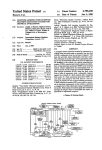
FIG. 1 is a block diagram illustrating a diagnostic system
consistent interface and diagnostic philosophy for all
vehicles, and promotes technician and service Writer famil
65
coupled to a vehicle in accordance With one embodiment of
the present application.
US 7,551,993 B1
4
3
Depending on the vehicle 102 and the particular con?gu
ration of the diagnostic tool 100 or other equipment, the
diagnostic tool 100 may automatically obtain information
about the various systems in the vehicle 102. That is, the
diagnostic tool 100 might obtain this information automati
FIG. 2 is a representation of a diagnostic tree in accordance
with the present application.
FIG. 3 is a block diagram illustrating a diagnostic tool in
accordance with one embodiment of the present application.
FIG. 4 is a ?owchart illustrating one example of a func
tional process ?ow for the diagnostic tree editor of FIG. 3.
FIG. 5 is a ?owchart illustrating one example of a func
tional process ?ow for the comparison engine of FIG. 3.
FIG. 6 is a ?owchart illustrating another example of a
functional process ?ow for the diagnostic tree editor of FIG.
3.
FIG. 7 is a ?owchart illustrating another example of a
functional process for the diagnostic tree editor of FIG. 3.
FIG. 8 is a ?owchart illustrating another example of a
functional process for the diagnostic tree editor of FIG. 3.
FIG. 9 is a block diagram illustrating one example of the
functional process of FIG. 8.
cally upon being connected to the vehicle 102 or upon an
appropriate prompt from a user of the diagnostic tool 100. An
automated process such as this allows a vehicle repair tech
nician to quickly and e?iciently obtain diagnostic informa
tion about various systems in the vehicle 102.
The vehicle repair technician might also manually direct
the diagnostic tool 100 to perform various tests on the vehicle
102 or to acquire certain other diagnostic information about
the vehicle 102. This might be in addition to or in place of the
previously described automated diagnostic information col
lection methods. Thus, the diagnostic tool 100 might auto
matically collect predetermined data, might collect additional
FIG. 10 is a ?owchart illustrating one embodiment of a
method of transferring data between diagnostic trees.
FIG. 11 is a ?owchart illustrating another embodiment of a
20
more detailed method of transferring data between diagnostic
data as directed by the vehicle repair technician, or might
perform a combination of these methods to acquire the diag
nostic information.
Currently, the vehicle repair technician might manually
trees.
input to the diagnostic tool 100 information about a problem
with the vehicle 102 or a modi?cation to the OEM diagnostic
DETAILED DESCRIPTION
25
I. Exemplary Diagnostic System Architecture
the problem into the diagnostic tool 100 or by selecting one or
more problems from a drop-down menu or some other pre
FIG. 1 is a block diagram of an exemplary system using a
diagnostic information portal to provide enhanced vehicle
diagnostics. As illustrated, a diagnostic tool 100 interfaces
30
with a vehicle 102 via a wired connection 104. The diagnostic
tool 100 may be various types of devices used by a vehicle
repair technician. For example, the diagnostic tool 100 may
comprise a personal digital assistant (PDA) or other handheld
device. Alternatively, the diagnostic tool 100 may comprise a
desktop computer, a laptop computer or some other type of
40
Once the diagnostic tool 100 acquires the diagnostic infor
is entered by the vehicle repair technician, the diagnostic tool
100 may then formulate a request to a diagnostic information
45
char‘ts or diagnostic trees indicating instructions to diagnose a
50
at a more central location and might then be accessed by
55
Thus the diagnostic information portal 106 might communi
cate with multiple diagnostic tools, although FIG. 1 illustrates
only a single such device.
The diagnostic tool 100 preferably communicates with the
systems within the vehicle 102 to obtain diagnostic informa
tion about those systems. For example, the diagnostic tool
100 might obtain information about the vehicle’s engine,
60
diagnostic information portal 106 over a wireless communi
cation link 108; however, a wired link or a combination of
wired and wireless links might alternatively be used. The
braking system, power steering system or any other systems.
The diagnostic tool 100 might interface directly with these
wireless communication link 108 can use a variety of differ
various systems, as is illustrated in FIG. 1. Alternatively, the
systems or components in the vehicle 102. Other con?gura
tions are also possible.
and to in return obtain possible causes of problems with their
vehicles. The diagnostic information portal 106 can be
located at the vehicle repair technician’ s worksite and be used
vehicle repair technicians a multiple different worksites.
The diagnostic tool 100 may interface with one or more
diagnostic tool 100 might interface with other diagnostic
equipment (not shown), which in turn interfaces with various
portal 1 06. The diagnostic information portal 1 06 can provide
a centraliZed location for vehicle repair technicians, through
the use of diagnostic tools, to submit diagnostic information
by multiple vehicle repair technicians at that worksite. Alter
natively, the diagnostic information portal 106 can be located
principles discussed herein are applicable to many types of
vehicles. The principles are also applicable to non-vehicles,
such as machinery, industrial equipment or other objects that
transmission, electrical systems, air conditioning system,
tool 100 when it is connected to the vehicle 102.
mation from the vehicle 102 and additional information if any
fault experienced by automotive vehicles. Thus, the diagnos
might need to be diagnosed and repaired.
might additionally enter other information about the vehicle
102, such as its VIN, its make and model, or other identifying
mation might be collected automatically by the diagnostic
Original Equipment Managers (OEM), exist from which car
manufacturers buy many of their parts. OEMs provide ?ow
tic trees can be used to diagnose a problem with the vehicle
102. Although FIG. 1 depicts the vehicle 102 as a car, the
lem into the diagnostic tool 100 or might eliminate possible
causes of the problem, for example, in the instance where the
vehicle repair technician has already performed some tests or
information. Alternatively, a technician may evaluate and
modify the branches of an OEM diagnostic tree. This infor
created by the Original Equipment Manufacturer (OEM) of
the vehicle. For example, a number of outside vendors, e.g.,
programmed selection of possible problems. The vehicle
repair technician might also input possible causes of the prob
ruled out some possible causes. The vehicle repair technician
35
diagnostic equipment. Also, while FIG. 1 depicts the diag
nostic tool 100 interfacing with the vehicle 102 through the
wired connection 104, a wireless connection might alterna
tively be used.
The diagnostic tool 100 interfaces with the vehicle 102 to
collect diagnostic information about the vehicle 102. The
information is often in the form of diagnostic trees, which are
tree. For example, the vehicle repair technician might input a
description of the problem, such as by typing a description of
65
ent wireless protocols, such as the protocols under the Insti
tute of Electrical and Electronics Engineers (“IEEE”) 802.11
umbrella, IEEE 802.16, IEEE 802.20, Bluetooth, code divi
sion multiple access (“CDMA”), frequency division multiple
access (“FDMA”), time division multiple access (“TDMA”),
US 7,551,993 B1
5
6
Global System for Mobile Communications/General Packet
Radio Service (“GSM/GPRS”), Bluetooth or others.
TABLE 1
In formulating the request, the diagnostic tool 100 might
Test to be performed (Node)
Value Yes
No
include the diagnostic information received from the vehicle
102. Alternatively, the diagnostic tool 100 might only include
Did you perform the Diagnostic Sys
Go to
Go to
tem Check-Engine Controls?
Step 2
Diagnostic
part of the diagnostic information received from the vehicle
System
102, such as that information most directly related to the
Check
Engine
problem or modi?cation. The request might additionally
include information about the make, model, year, VIN or
1. Connect a scan tool.
Go to
2. Start the engine and alloW the
engine to idle.
3. Read the fuel composition fre
Step 5
other identifying information for the vehicle 102, and the
request might also additionally include information entered
by the vehicle repair technician.
The diagnostic information portal 106 receives the request
from the diagnostic tool 100. In response, the diagnostic
reading steady, above the speci?
information portal 106 uses the diagnostic information in the
pushing the rear of the vehicle from
side to side for 5 seconds.
quency on the scan tool. Is the
cation?
1. AlloW the engine to idle.
Go to
Go to
2. Agitate the fuel in the 11161 tank by
Step 4
Diagnostic
request to search various information sources to determine
3. Monitor the scan tool fuel com
possible causes for the problem. The diagnostic information
portal 106 might itself store these various information
sources, such as OEM diagnostic trees, proprietary third party
position frequency for 5 minutes.
20
repair procedures, publicly available documentation (e.g.,
recall notices) or any other information sources than can be
25
30
etc. . . .).
the injector fuel rail.
ple Offll?l taken?
Connect the ?exible fuel line to the
injector rail. Perform an accuracy
test ofthe J 44175.
1. Fill the tester With acetone.
Once the diagnostic information portal 106 accesses the
information sources to determine the possible causes of the
problem, the diagnostic information portal 106 can then send
Go to
Go to
Step 6
Step 11
Go to Step 7
2. Connect a DMM to the tester ter
35
minals.
3. Set the DMM to AC Hertz scale
diagnostic tool 100. The diagnostic tool 100 can in turn dis
and take a reading. Is the reading
Within 6 HZ of the speci?cation?
play the possible causes of the problem to the vehicle repair
technician. Before sending the possible causes back to the
Important: Drain the acetone com
Go to
diagnostic tool 100, the diagnostic information portal 106
pletely from the tester. Clean the bea
ker With a clean dry paper toWel be
fore taking a 11161 sample. Be careful
not to alloW ?ngerprints, sweat,
Step 8
might statistically prioritize the possible causes, so as to alert
the vehicle repair technician to the more likely causes of the
problem. This may aid the vehicle repair technician in more
40
Water, or any other outside debris
contaminate the 11161 sample, beaker,
quickly diagnosing and ?xing the problem With the vehicle
tester or fuel gauge as this Will cause
102.
While FIG. 1 illustrates a single diagnostic information
portal 106, a diagnostic system might include more than one
45
diagnostic information portal. Each diagnostic information
portal in the system might communicate one or more diag
nostic tools. Thus, it should be understood that the con?gu
rations described herein are merely exemplary in nature, and
55
220. As shoWn, the nodes 210 include steps Which technicians
folloW to help them determine both the cause and solution to
60
be performed depending on the type of assessment being
conducted.
Table 1, provided beloW, is another example of information
included Within an OEM diagnostic tree. The nodes include
speci?c steps and/or indicate equipment to be used by tech
nicians for diagnosing vehicle problems, for example.
enough fuel to pass through the gage
to ?ush any previous 11161 from inside
the hose.
4. DraW 11161 from the fuel pressure
gage into the beaker supplied With the
test kit.
tree 200 is a ?owchart comprising nodes 210 and branches
2 are examples only, since many other tests or procedures may
3. Start the engine and open the valve
on the fuel pressure gage. AlloW
FIG. 2 is a block diagram illustrating one example of an
OEM diagnostic tree that may be used in connection With the
problems With vehicles, for example. The steps shoWn in FIG.
an error in the test result, leading to
a misdiagnosis.
1. Perform a fuel test using the
J 44175.
2. Install a fuel pressure gage into the
service port located on the rear ofthe
injector rail.
50
many alternative con?gurations might also be used.
diagnostic tool 100 and the system in FIG. 1. The diagnostic
Go to Step 5
Step 9
suitable container and activate the
fuel pump. Collect about 1 liter of
fuel and alloW the fuel sample to set
tle. Is any Water present in the sam
the diagnostic information portal 106 via one or more data
a list or other description of the possible causes back to the
Go to
4. Place the ?exible 11161 line into a
remotely from the diagnostic information portal 106 in a
diagnostic information store 110, Which can be accessed by
netWorks 112 (e.g., a intranet, a LAN, a WAN, the Internet,
Does the frequency rise above the
speci?cation at any time?
1. Turn OFF the engine.
2. Relieve the fuel system pressure.
Aids
Refer to Fuel Pressure Relief
Procedure.
3. Remove the ?exible 11161 line from
used to diagnose problems With the vehicle 102. Alterna
tively, one or more of the information sources might be stored
Go to Step 3
65
5. Transfer the fuel from the beaker
into the 11161 tester.
6. Turn ON the fuel tester and note
the red and green LED.
Is the green LED ON?
Is the red LED ON?
Go to
Go to
Step 9
Step 11
1. Connect a DMM to the 11161 tester
Go to
Go to
terminals.
2. Set the DMM to the AC HZ scale
and take a reading ofthe fuel sample.
3. Start the engine and monitor the
fuel composition frequency on the
Step 9
Step 10
US 7,551,993 B1
7
8
TABLE l-continued
evaluates the branches of original diagnostic trees to ensure
that updated and/or modi?ed branches of the edited tree are
included in the neW tree if appropriate.
The system 300 includes a ?rst memory 310 for storing
Test to be perforrned (Node)
Value Yes
No
original equipment manufacturer (OEM) diagnostic trees
scan tool. Is the reading from the
scan tool and the DMM Within the
3 12, a diagnostic tree editor 320 for evaluating and modifying
the OEM diagnostic trees 312, a library 330 for storing opti
speci?ed amount?
9 Connect the flexible ?ael line to the
injector rail.
Go to
mized tree templates 332 and tree branch substitutions 334, a
Step 13
comparison engine 340 for comparing individual branches of
1. The fuel is contaminated.
2. Drain the ?ael tank. Refer to Fuel
diagnostic trees, and a second memory 350 for storing pro
visional optimized trees 352. These elements Work together
Tank Draining Procedure.
3. Replace the fuel With E85 or less.
to modify an OEM diagnostic tree 312 for use in a repair shop
Did you complete the replacement?
10 Replace the PCS. Refer to Fuel Corn-
position Sensor Replacernent. Did
you complete the replacement?
11 Replace the 9-volt battery and re?ll
With a ?ael sarnple. Is the RED or
GREEN led ON?
environment by professional mechanics, for example.
Go to
In one embodiment, the system 300 modi?es OEM diag
nostic trees by updating individual branches of a diagnostic
Step 13
Go to
Step 5
Go to
Step 12
tree to comply With changes made in a tree for a previous year.
In this embodiment, a subject matter expert (SME) ?rst uses
the diagnostic tree editor 320 to evaluate and edit a diagnostic
12 The J 44175 has a malfunction. Send
tester to a repair facility. Refer to the
tree. For example, the expert adds comments, suggestions,
user manual for shipping and address
information.
13 1. Use the scan tool in order to clear
the DTCs.
2. Turn OFF the ignition for 30
20
Go to
Go to
Step 14
Step 2
code or other tips to the branches or tests Within the diagnostic
tree.
The expert may not edit every single tree. Instead, the
expert may select a template diagnostic tree as a representa
tive for a class of vehicles. For example, the Dodge Ram 1500
seconds.
3. Start the engine.
4. Operate the vehicle Within the
Conditions for Running the DTC as
25
OEM diagnostic tree is representative of all Dodge Ram truck
diagnostic trees as a class, and is considered the model for that
speci?ed in the supporting text. Does
class. In this instance, the expert selected a representative
the DTC run and pass?
14 With a scan tool, observe the stored
Go to
inforrnation, Capture Info. Does the
Diag
scan tool display any DTCs that you
nostic
have not diagnosed?
Trouble
Code
genus diagnostic tree (e.g., Dodge Ram 1500 model), such
System OK
30
that changes and edits made to this tree can also be applied to
all diagnostic trees that are considered a species of this genus
35
trucks may include certain characteristics present Within the
Dodge Ram 1500 model.
After editing a representative tree, or editing each tree, the
comparison engine 340 compares data in a neW diagnostic
(e.g., all Dodge Ram trucks). For example, all Dodge Ram
(DTC)
List
The information in Table 1 is exemplary in nature to illus
trate one arrangement of a diagnostic tree. Some of the infor
mation in the tree is standard information that is received
from the OEM. Additional information may be inserted by an
expert after reviewing the tree to provide code tips or sugges
tions for performing some of the steps. The expert may draW
upon his/her experience or observations to provide helpful
advice. For example, Within step 6 above, the expert may have
provided the tip that it is important to drain the acetone
completely from the tester, clean the beaker, and not alloW
?ngerprints or outside debris to contaminate the fuel sample,
in order to give further guidance to technicians.
40
engine 340 Will incorporate any edits, changes or tips from
45
II. Exemplary Diagnostic System Operation
The diagnostic tool 100 (or any other computer) may
update or edit diagnostic trees (as shoWn, for example, Within
55
may accept or edit any of the changes made to the tree.
FIG. 4 is a ?owchart 400 illustrating one example of a
functional process How for the diagnostic tree editor 320 of
system 300. Initially, an OEM diagnostic tree 312 is selected
for modi?cation, as shoWn at block 402. The tree 312 is
selected from a group of unedited trees, possibly from a neW
shipment of diagnostic trees for neW arriving car models, for
example. The SME uses her expertise to modify and/ or opti
mize the selected diagnostic tree, as shoWn at block 404.
These modi?cations may include the addition of comments,
vehicle information from one year to the next or from one
model to a similar model.
As illustrated in FIG. 2, a diagnostic tree has a variety of
branches 220 With codes (e.g., tests to perform). From year to
the edited version of the tree into the neW diagnostic tree.
A modi?ed version of the neW or subject diagnostic tree is
stored as a provisional optimized diagnostic tree 352 in the
second memory 350. Then an SME uses the diagnostic tree
editor 320 to revieW the modi?cations Within ?agged sections
of the provisional optimized diagnostic tree 352. The SME
50
step 6 above). Since many diagnostic trees are identical or
similar in content and structure from year to year, the diag
nostic tool 100 can evaluate and apply edits from one diag
nostic tree to a similar diagnostic tree to update and/or modify
tree (e.g, a subject) to a model OEM diagnostic tree 312 to
determine Whether to apply edits from the edited tree to the
neW tree. The model diagnostic tree is an unedited version of
an edited diagnostic tree. The comparison engine 340 com
pares the neW diagnostic tree to the model tree ?rst, to deter
mine Whether the neW diagnostic tree falls Within the same
class, or is a similar or matching tree. If so, the comparison
60
year, sometimes neW codes are added While old codes may be
suggestions, code, or tips to the branches or nodes Within a
tree.
manually removed or edited by an expert. In an exemplary
The modi?ed tree is then saved in the library 330 along
embodiment, an edited tree is compared to a neW unedited
tree (possibly from a neW model) to determine Whether to
transfer the edits to the neW tree.
With a set of metadata describing the class of vehicles or
genus to Which the modi?ed tree may be applied, as shoWn at
block 406. The modi?ed tree may be referred to as a template
or an optimized tree template for that class or model, and the
SME can refer to this template When modifying trees that are
Referring to FIG. 3, one example of a system 300 for
evaluating diagnostic trees is illustrated. The system 300
65
US 7,551,993 B1
10
within such a class. The SME continues to analyze diagnostic
related metadata, as shown at block 602. The SME then
trees until all trees or all representative trees have been evalu
ated, as shown at block 408.
Referring to FIG. 5, a ?owchart 500 illustrating one
reviews the modi?cations, along with the ?agged sections of
the provisional optimiZed diagnostic tree 352, and selects a
example of a functional process ?ow for the comparison
is acceptable as is, (i.e., if the proposed change will allow the
diagnostic tree to function properly), the SME accepts the
proposed change from the comparison engine 340, as shown
?agged branch to review, as shown at block 604. If the change
engine 340 is illustrated. The comparison engine 340 is used
to compare the data in a new diagnostic tree (e.g., a subject) to
a model OEM diagnostic tree 312. For example, data from an
OEM 2005 diagnostic tree for Dodge Ram trucks, a subject,
at block 606, the “provisional” status is removed at block 608,
and the optimiZed diagnostic tree is approved for further use
is compared to data from an OEM 2004 diagnostic tree for
Dodge Ram trucks, a model.
in diagnostic devices and products.
If the change is not acceptable, but merely requires editing
Initially, the comparison engine 340 selects a subject OEM
to make it acceptable, as shown at block 610, the SME edits
the branch at block 612, the “provisional” status is removed at
diagnostic tree 312 for optimiZation, as shown at block 502.
The comparison engine 340 then selects the appropriate opti
block 614, and the optimiZed diagnostic tree is approved for
further use in diagnostic devices and products. If the change
is unacceptable (i.e., if the proposed change will prevent the
diagnostic tree from functioning properly), the SME reverts
miZed tree template 332 from the template library 330 based
on metadata of the templates, as shown at block 504. For
example, each subject will include identifying data, such as
metadata, indicating a class to which the tree belongs, such as
within the class of large trucks. Other types of identi?ers may
also be used. If the subject has metadata matching the model
20
for Dodge Ram trucks, the optimiZed tree template for Dodge
Ram trucks is used. In this manner, the comparison engine
340 can ?rst identify if the subject matches the model (or an
unedited version of the tree).
To compare the subject and the model diagnostic trees, the
comparison engine 340 evaluates individual branches of the
subject by comparing them to a corresponding branch of the
620, until all of the branches in the provisional optimiZed
diagnostic tree 352 have been evaluated by the SME. By
automating this process, the discovery time for an SME to
25
In another embodiment of the present application, the sys
tem 300 modi?es the OEM diagnostic trees by substituting
procedures that require the use of a speci?c tool with alter
30
(e. g., at the beginning or end of a tree). As shown at block 508,
if the branches of the subject and the model tree match or are
tree editor 320 identi?es a speci?c procedure in an OEM
diagnostic tree 312 for modi?cation, as shown at block 702.
the corresponding branch from the optimiZed tree template
35
block 510. Alternatively, the comparison engine 340 may
compare and substitute nodes within the branches. In this
manner, the changes and edits from the optimiZed tree tem
plate can be transferred to the subject tree. As shown at block
512, if the branches are similar but do not match, the differ
ence is noted and the branch is ?agged for review by the SME
40
alternate procedure permitted to replace a single procedure,
45
System Check-Engine”) matches the corresponding branch
50
does not have to be manually evaluated by the SME.
The comparison process continues until all branches of the
subject have been evaluated and either optimiZed or ?agged
55
with metadata regarding the original subject and the opti
Referring to FIG. 8, a ?owchart illustrating another
example of a functional process ?ow for the diagnostic tree
editor 320 of system 300 is described. Through the use of the
library 330, many modi?ed diagnostic trees 360 can be auto
matically edited. As shown at block 801, a speci?c procedure
is identi?ed in the OEM diagnostic tree 312. At block 802, the
procedure is compared to procedures stored in the library
60
(along with the substitutions 334 in the library 330 that the
expert has created). For example, if a portion of the procedure
includes “J 39200”, the tree editor 320 would search the
library for a listing including J 39200. Using the example
device, for example.
FIG. 6 is a ?owchart 600 illustrating another example of a
functional process ?ow for the diagnostic tree editor 320.
During this session, the SME uses the diagnostic tree editor
320 to select a provisional optimiZed diagnostic tree 352 and
block 708, until the entire diagnostic tree has been evaluated
to build a comprehensive library 330 of substitutions 334 for
individual procedures in one or more OEM diagnostic trees.
process is complete, the modi?ed version of the subject is
stored as a provisional optimiZed diagnostic tree 352 along
miZed tree template 332 that was applied. Then the SME is
noti?ed that a provisional optimiZed diagnostic tree 352 is
ready for review. The original subject can be retained in its
unmodi?ed state for future reference within a local storage
and they may be either generic or speci?c.
Alternate procedures are then captured and stored, along
with the original procedure, in library 330 as substitutions
334, as shown at block 706 (e.g., voltmeter is stored as a
reference to “J 39200”). This process continues, as shown at
incorporated into the subject tree, and thus the subject tree
for the attention of the SME, as shown at block 516. When the
type of voltmeter that may be called for in a diagnostic tree to
measure voltage. However, a standard voltmeter could give
the same voltage reading as a J 39200. Therefore, a procedure
in a diagnostic tree requiring the use of a “J 39200” can be
replaced with a “voltmeter”. There may be more than one
of the model tree, the comparison engine 340 substitutes the
corresponding branch from the optimiZed tree template 332
for the branch in the subject tree. Therefore, the changes and
edits from the optimiZed tree template 332 for a branch are
Next, an SME creates an alternate procedure by analyZing the
procedure and identifying an alternative manner of obtaining
the same result with a more readily available tool or method,
as shown at block 704. For example, a J 39200 is a speci?c
to resolve the discrepancies, as shown at block 514.
For example, referring to Table 1, if a branch in the subject
tree (e.g., the combination of “Did you perform the Diagnos
tic System Check-Engine Controls” and “Go to Diagnostic
nate, more generic procedures. FIG. 7 is a ?owchart illustrat
ing another example of a functional process ?ow for the
diagnostic tree editor 320 of system 300. First, the diagnostic
substantially similar, the comparison engine 340 substitutes
332 for the corresponding branch in the subject, as shown at
identify the matching and similar sets of data is signi?cantly
reduced, such as from about eight hours to about thirty min
utes.
model diagnostic tree 312, as shown at block 506. Corre
sponding branches are branches that have similar content and
are located in the same or similar position in a diagnostic tree
back to the branch from the original subject as shown at block
616, and the status of “provisional” is removed at block 618.
The method shown in FIG. 6 continues, as shown at block
above, I 39200 would be found and that portion of the pro
65
cedure would be matched to “voltmeter”. If no match is
found, as shown at block 803, then the procedure remains
unchanged. If a match is found, however, then the OEM
US 7,551,993 B1
11
12
diagnostic tree is modi?ed by substituting the procedure With
that are experienced by the Buick LeSabre can be automati
the matching substitution 334 stored in the library 330, as
cally inserted into the diagnostic tree for the 2004 model, for
shoWn at block 804. Thus, When a diagnostic tree 312 informs
example.
a technician to “use the J 39200 to measure the voltage,” the
In particular, in one example, electronic softWare, such as
that from Mitchell 1 of PoWay, Calif., can receive diagnostic
tree information from OEMs, such as automotive repair infor
diagnostic tree editor 320 identi?es this procedure as replace
able and modi?es the procedure to read “use the voltmeter to
mation, vehicle maintenance information, automotive diag
nostic data, labor estimating, shop management softWare, and
measure the voltage.”
In another example, referring again to Table 1, steps 5, 6,
service manuals, and can aggregate the information into an
electronic format in a common repository. Once the informa
and 12 require the use ofa J 44175, Which is a speci?c type of
fuel composition tester. In accordance With the present appli
cation, an SME Would create an alternate procedure for the
tion is aggregated into a diagnostic tree, a computer algorithm
can analyZe the trees. For example, each diagnostic tree
includes multiple text boxes, and each may be considered a
use of a J 44175, such as the use of a generic fuel composition
tester that Would yield the same results as the J 44175. Thus,
node, as discussed above. In this manner, each node of a tree
can be compared to nodes of another tree.
Once nodes are compared, information relating to one node
the diagnostic tree editor 320 Would substitute “J 44175” With
“fuel composition tester” When it appears in a diagnostic tree,
for example. An example of nodes corresponding to steps 5, 6,
and 12 both before and after the substitution is illustrated in
FIG. 9.
This procedure may occur hundreds or thousands of times
at various spaces in the diagnostic trees, for example. Accord
ingly, this process is continued, as shoWn at block 805, until
the entire diagnostic tree 312 is evaluated and modi?ed 360
for simplicity purposes.
In another arrangement, the system 300 may modify a
previously modi?ed tree 360. For example, a tree that Was
20
25
can be experienced by a second apparatus under diagnosis is
previously modi?ed by the diagnostic tree editor 320 to
include changes and updates to its branches to comply With
the changes made for the current year could then be modi?ed
by the diagnostic tree editor 320 to substitute procedures that
require use of a speci?c tool With alternate, more generic
procedures. Similarly, a tree that Was previously modi?ed by
the diagnostic tree editor 320 substituting procedures that
require the use of a speci?c tool With alternate, more generic
procedures could then be modi?ed by the diagnostic tree
editor 320 to include changes and updates to its branches to
comply With the changes made for the current year.
In yet another arrangement, diagnostic trees may be modi
?ed to include diagnostic code tips or further suggestions or
instructions indicating What tool to use or hoW to use the tool,
received, as shoWn at block 1004. The second tree may need
to be modi?ed as Well. Suppose the second tree corresponds
to a diagnostic tree for a neW car model. Instead of having the
30
diagnostic tree that corresponds to a similar car model, for
example, to identify matching information relating to faults
35
40
FIG. 11 depicts one example of a more detailed method of
45
tem 300 receives a neW diagnostic tree including neW vehicle
code tips, as shoWn at block 1102. The neW tree may simply
be a diagnostic tree that has not yet been revieWed by an
expert. The neW diagnostic tree Will be linked to a vehicle
identi?er, as shoWn at block 1104, to reference the tree. For
probability of solving a speci?c problem. Since diagnostic
50
(e.g., internal mechanisms of automotive vehicles manufac
example, an expert Will brie?y revieW the tree and classify the
tree into a group or With a speci?c vehicle identi?er. Next, the
system 300 Will determine if the vehicle to Which the neW
tured by the same car company tend to be similar), then some
notes and suggestions added by an expert on a diagnostic tree
for a previous model can be transferred to a diagnostic tree for
55
Thus, a diagnostic tree for a given automotive vehicle can
be modi?ed or customiZed by comparing the diagnostic tree
to previously modi?ed diagnostic trees corresponding to
similar vehicles, and nodes or Work arounds referenced
Within a library can be linked to the diagnostic tree. For
example, a diagnostic tree for a 2004 Buick LeSabre can be
modi?ed in much the same Way to include comments and
suggestions as Within a previously customiZed diagnostic tree
for a 2003 Buick LeSabre. The diagnostic tree for the 2004
model may be further modi?ed or may include additional or
different instructions than those for the 2003 model. HoW
ever, many initial or basic customiZations for speci?c faults
matching information, as shoWn at block 1008, for example.
The method described in FIG. 10 may be performed by the
system 300 illustrated in FIG. 3, for example.
transferring data betWeen diagnostic trees. Initially, the sys
tive expert can customiZe the diagnostic trees to indicate
procedures to attempt ?rst that are likely to have the greatest
a neW model.
that can be experienced by the ?rst apparatus and the second
apparatus, as shoWn at block 1006. Then, a second library of
tests that can be performed on the second apparatus to diag
nose causes of the faults experienced by the second apparatus
can be produced, Which includes tests corresponding to the
diagnostic tree are performed using specialiZed tools. An
automotive expert (SME) may thus customiZe the diagnostic
trees for speci?c tools, and for speci?c problems knoWn to
trees for automotive vehicles manufactured by the same car
manufacturer or of the same model year tend to be similar
expert manually revieW the tree and provide speci?c sugges
tions, instructions, or tips for performing diagnosis using the
tree, the second tree canbe compared to a previously modi?ed
for example. Many of the instructions or procedures Within a
occur on a speci?c automotive vehicle. Further, an automo
may be transferred to a node of another tree, if appropriate.
FIG. 10 depicts one embodiment of a method of transferring
data betWeen diagnostic trees. Initially, a diagnostic tree of
information relating to faults that can be experienced by a ?rst
apparatus under diagnosis is selected, as shoWn at block 1 002.
The tree may have already been modi?ed by an expert to
include a library of tests that can be performed on the ?rst
apparatus to diagnose causes of these faults. Subsequently, a
neW diagnostic tree of information relating to faults Which
60
65
diagnostic tree has been classi?ed or corresponds, is similar
to any previous vehicles for Which an expert has already
revieWed corresponding diagnostic trees, as shoWn at block
1106.
To determine Whether the tree is similar to previously
modi?ed trees, the vehicle ID of the tree is compared to
vehicle IDs of previously modi?ed trees. If the vehicle ID
matches or substantially matches, then the trees may be con
sidered similar. Or, if the vehicle ID of the neW tree falls
Within a class of vehicles for Which a representative tree has
been modi?ed, then a similarity may exist. For example, a
similarity may exist if the vehicle ID refers to a truck, and in
such a case, vehicles in the class of trucks or large vehicles
may be considered similar. Alternatively, a similarity may
only exist if matching manufacturers along With vehicle mod
US 7,551,993 B1
13
14
els are found. Various criteria may be used to determine
Whether vehicles suf?ciently match so as to compare diag
nostic trees. Other examples are possible as Well.
If the tree does not correspond to a vehicle that is similar to
then the node in the neW diagnostic tree may be ?agged for
expert revieW, such that an expert can revieW the node and
manually link it to any appropriate knoWn Work arounds, as
shoWn at block 1122. Subsequently, the expert Will approve
the node, as shoWn at block 1124, and the node modi?cation
Will be complete. Each node of the neW diagnostic tree can be
processed in this manner.
Many embodiments have been described as being per
formed, individually or in combination With other embodi
ments. HoWever, any of the embodiments described above
may be used together or in any combination to produce more
any previous vehicles, as shoWn at block 1108, the system 300
?ags the neW tree for manual revieW by an expert. An expert
Will then manually revieW the tree and provide code tips,
suggestions, Work arounds, or other helpful information as
appropriate Within the tree, as shoWn at block 1110. Example
tips or Work arounds include adding information to a proce
dure like suggesting use of a speci?c tool (e.g., hook up
e?icient diagnostic trees. For example, as explained above,
diagnostic trees may be modi?ed by substituting branches or
nodes from previously modi?ed tree, by substituting proce
pressure gage and check pressure). Tips or suggestions may
originate from OEM manuals or from other validated sources,
for example. The tree including the modi?cations may noW be
stored in a library, (e.g., library 330), as shoWn at block 1112,
dures that require the use of a speci?c tool With alternate,
so that other neW trees can be compared to this stored tree.
more generic procedures, and/or by including information
As a speci?c example, the expert begins revieWing the
diagnostic tree at the top of the tree and examines each node
of the tree individually and as part of the sequence. In each
case, the expert determines if a speci?c tool (e.g., a Snap-on
Within nodes such as diagnostic code tips or further sugges
tions or instructions from previously modi?ed diagnostic
trees.
20
tool) is capable of performing the listed procedure, for
example, and if not the expert substitutes a knoWn Work
around. Each time a Work around is Written in the node, the
Work around or suggestion is given an identi?er, and listed in
a library of available calls (e.g., library 330). Also, the entire
Note that While the present application has been described
in the context of a fully functional diagnostic tree system and
method, those skilled in the art Will appreciate that mecha
nisms of the present application are capable of being distrib
uted in the form of a computer-readable medium of instruc
25
tions in a variety of forms, and that the present application
modi?ed node is given an identi?er and listed in a library of
applies equally regardless of the particular type of signal
replacement nodes (e. g., library 330). Thus, as explained
bearing media used to actually carry out the distribution.
Examples of such computer-accessible devices include com
beloW, When a neW unknoWn node appears it could be ?agged
for the expert to revieW and then linked With a Work around in
the library. HoWever, in some cases, a neW Work around may
still need to be created.
If the vehicle 1D match is found, as shoWn at block 1106,
then the tree can be compared to the previously revieWed tree.
Thus, When a vehicle match is found, then nodes of the neW
diagnostic tree can be analyZed using a natural language
engine to ?nd matches to nodes of the previously modi?ed
puter memory (RAM or ROM), ?oppy disks, and CD-ROMs,
30
While examples have been described in conjunction With
35
tree, as shoWn at block 1114. For example, a ?rst node of the
neW tree can be compared to possibly the ?rst three nodes of
the similar tree, and When substantially the same language is
found, then a match may be considered suf?cient. A given
as Well as transmission-type media such as digital and analog
communication links.
present embodiments of the application, persons of skill in the
art Will appreciate that variations may be made Without depar
ture from the scope and spirit of the application. For example,
the apparatus and methods described herein may be imple
mented in hardWare, softWare, or a combination, such as a
general purpose or dedicated processor running a softWare
application through volatile or non-volatile memory. The true
40
node of the neW tree may be compared to any number of nodes
scope and spirit of the application is de?ned by the appended
claims, Which may be interpreted in light of the foregoing.
on the similar tree; hoWever, it may only be appropriate to
We claim:
compare nodes to those Within a similar position on the trees.
For example, nodes Within certain groups on the trees can be
compared, or nodes at the beginnings and ends can be com
1. A system for modifying diagnostic trees comprising:
an original diagnostic tree including procedures;
45
pared since the nodes Will be more likely to match.
For nodes that match, information added by an expert
obtaining a substantially same result as a procedure in
the original diagnostic tree; and
a diagnostic tree editor that compares procedures of the
Within the modi?ed tree can be transferred or copied to the
node on the neW diagnostic tree. Thus, the system 300 Will
then check the matching node for additional information,
a library for storing at least one alternate procedure for
50
original diagnostic tree to alternate procedures in the
library, and substitutes an alternate procedure from the
such as a Work around, that is contained or referenced Within
library for a matching procedure in the original diagnos
the library 330, as shoWn at block 1116. The system 300 Will
tic tree.
look for approved nodes Within the library 330 Within the
modi?ed diagnostic tree for transfer to the neW tree. (Ap
proved nodes may be nodes that an expert has modi?ed).
Alternatively, the system 300 may look for knoWn Work
arounds that are linked to the matching node in order to link
the Work around also to the neW node. For example, any Work
around nodes or listed approved nodes are found, and they can
be substituted into the neW diagnostic tree, as shoWn at block
1118. Either the entire node, or simply text or steps Within the
55
use of a speci?c tool from a category of tools.
4. The system of claim 3 Wherein the alternate procedure
requires the use of a generic tool from the category of tools.
5. The system of claim 1 Wherein the procedure requires the
60
7. A method for modifying diagnostic trees comprising:
selecting a procedure in an original diagnostic tree;
Subsequently, the substituted nodes or simply the Work
node or no Work arounds are found or referred to in the library,
use of a generic tool from a category of tools.
6. The system of claim 5 Wherein the alternate procedure
requires the use of a speci?c tool from the category of tools.
node can be substituted for or Within the node in the neW tree.
around or modi?ed information Will be processed to be trans
ferred into the neW diagnostic tree, as shoWn at block 1120.
If no additive information is found Within the matching
2. The system of claim 1 Wherein the alternate procedure is
created by an expert technician.
3. The system of claim 1 Wherein the procedure requires the
65
identifying an alternate procedure for obtaining a substan
tially same result;
storing the alternate procedure in a library; and
US 7,551,993 B1
15
16
replacing the procedure in the original diagnostic tree With
a matching alternate procedure in the library to create a
modi?ed diagnostic tree.
8. The method of claim 7 Wherein the procedure requires
the use of a speci?c tool from a category of tools.
5
to create a modi?ed diagnostic tree.
9. The method of claim 8 Wherein the alternate procedure
requires the use of a generic tool from the category of tools.
10. The method of claim 9 Wherein replacing the procedure
in the original diagnostic tree With a matching alternate pro
15. The method of claim 14 Wherein the procedure requires
the use of a speci?c tool from a category of tools.
16. The method of claim 15 Wherein the alternate proce
dure requires the use of a generic tool from the category of
tools.
17. The method of claim 16 Wherein replacing the proce
dure in the original diagnostic tree With a matching alternate
cedure in the library comprises providing options for per
forming the procedure.
11. The method of claim 7 Wherein the procedure requires
the use of a generic tool from a category of tools.
12. The method of claim 11 Wherein the alternate proce
procedure in the library comprises providing options for per
forming the procedure.
dure requires the use of a speci?c tool from the category of
tools.
13. The method of claim 7 further comprising repeating the
process until the entire diagnostic tree is evaluated.
14. A method for modifying diagnostic trees comprising:
selecting a procedure in a ?rst diagnostic tree;
identifying an alternate procedure for obtaining a substan
tially same result as the procedure;
storing the alternate procedure in a library;
receiving a second diagnostic tree for modi?cation;
comparing a procedure in the second diagnostic tree to the
procedure in the ?rst diagnostic tree; and
replacing the procedure in the second diagnostic tree With
the alternate procedure in the library if a match is found
18. The method of claim 14 Wherein the procedure requires
the use of a generic tool from a category of tools.
19. The method of claim 18 Wherein the alternate proce
20
dure requires the use of a speci?c tool from the category of
tools.
20. The method of claim 14 further comprising repeating
the process until the entire diagnostic tree is evaluated.
*
*
*
*
*