1
3. Design
3.0.5. Managing Interfaces
Interface is the root element for all UI controls in UIP documents. An application can
contain a large number of interfaces. We therefore need a class to keep the interface
information. InterfaceManager will serve as a place for storing information about
received and requested interfaces. The most important methods implemented in it will
be for adding received interfaces, obtaining an interface and rendering. The process of
rendering is described more closely in the next paragraph.
3.0.6. Rendering the UI
The information about UI elements comes from the server in form of XML description.
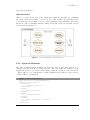
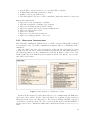
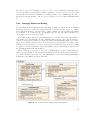
This description is parsed into inner object representation - classes shown in figure 4.
After this is done, InterfaceManager will call the Render() method of the
Renderer class. This method will traverse the tree of the newly created instances of
classes from figure 4 and for each one creates a new class instance which will wrap the
platform-native UI controls, as described in the next section.
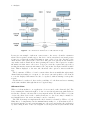
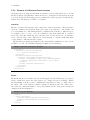
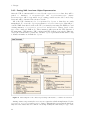
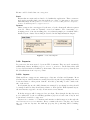
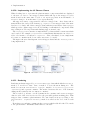
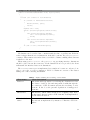
Figure 6. UipBase class diagram
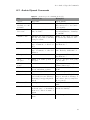
3.0.7. Representing the Platform-native UI Components
There is one more step toward the controls that are rendered to the user which involves
the transition from the inner object representation to the platform-native components.
The platform-native components will be wrapped into wrapper classes whose names
will indicate the component which is wrapped inside (i.e. UipPasswordBox will be
the wrapper class of WP8’s PasswordBox). There will be an abstract base class,
UipBase which will contain everything the wrapper classes have in common: methods
for binding to models, and support for styling, element dimensions and positioning.
Any particular UI element needs to inherit from the base class in order to support
rendering, model updates and other functionality provided by the base class.
3.0.8. Events
The application is designed to support the client-to-server communication in form of
events. Events are the only data sent by the client and their intent is to inform server
of an user action or request missing data - models.
24