1
Executable and Linking Format (ELF)
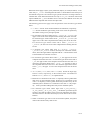
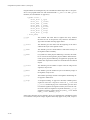
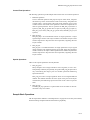
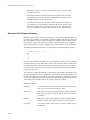
ues: the memory load address, the maximum page size, and the lowest virtual address of a
program’s loadable segment. As “Program Loading” on page 22-42 describes, the virtual
addresses in the program headers might not represent the actual virtual addresses of the
program’s memory image. To compute the base address, one determines the memory
address associated with the lowest p_vaddr value for a PT_LOAD segment. One then
obtains the base address by truncating the memory address to the nearest multiple of the
maximum page size. Depending on the kind of file being loaded into memory, the memory address might or might not match the p_vaddr values.
Segment Permissions
22
A program to be loaded by the system must have at least one loadable segment (although
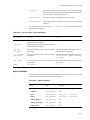
this is not required by the file format). When the system creates loadable segments’ memory images, it gives access permissions as specified in the p_flags member. All bits
included in the PF_MASKPROC mask are reserved for processor-specific semantics.
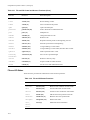
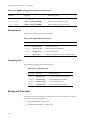
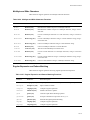
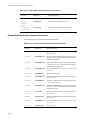
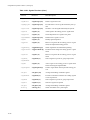
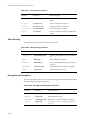
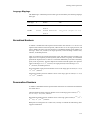
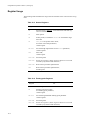
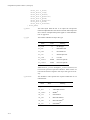
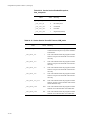
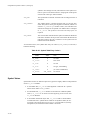
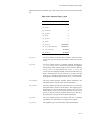
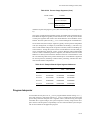
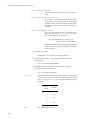
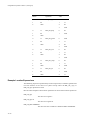
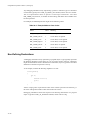
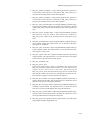
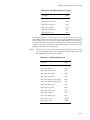
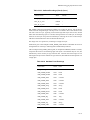
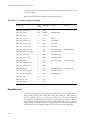
Table 22-26. Segment Flag Bits, p_flags
Name
Value
PF_X
0x1
Execute
PF_W
0x2
Write
PF_R
0x4
Read
PF_MASKPROC
0xf0000000
Meaning
Unspecified
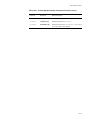
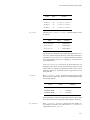
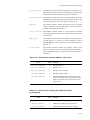
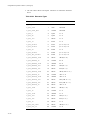
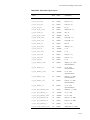
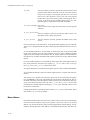
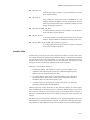
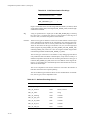
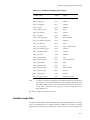
If a permission bit is 0, that type of access is denied. Actual memory permissions depend
on the memory management unit, which may vary from one system to another. Although
all flag combinations are valid, the system may grant more access than requested. In no
case, however, will a segment have write permission unless it is specified explicitly. The
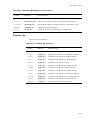
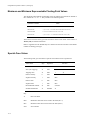
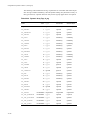
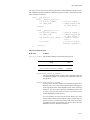
following table shows both the exact flag interpretation and the allowable flag interpretation.
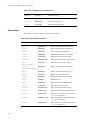
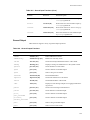
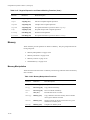
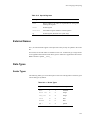
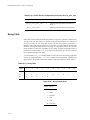
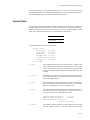
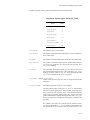
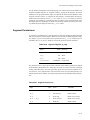
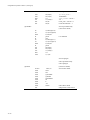
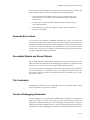
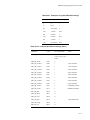
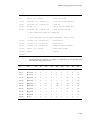
Table 22-27. Segment Permissions
Flags
Value
Exact
Allowable
none
0
All access denied
All access denied
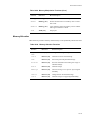
PF_X
1
Execute only
Read, execute
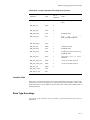
PF_W
2
Write only
Read, write, execute
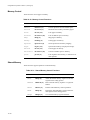
PF_W + PF_X
3
Write, execute
Read, write, execute
PF_R
4
Read only
Read, execute
22-39