1
Department of Infrastructure and Planning
Identification tape is to be laid above the pipes and within the trench. Identification markings
should comply with AS 1345.
Figure 4. Rainwater pipe signage
Pipe work less than 40 mm in diameter shall have a continuous green pipe marker band
around the circumference of the pipe with the word “RAINWATER” (figure 5) in not less than
4 mm upper case letters. The tape should be placed longitudinally along the pipe so that the
marking is visible from all viewing directions.
Figure 5. Rainwater pipe marker
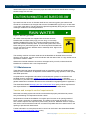
All outdoor hose taps that are supplied with rainwater are to be
identified with a metallic safety sign (100 mm long, 75 mm wide)
labelled ‘RAINWATER’ (figure 6). The sign should be securely fixed
above the rainwater hose tap outlet. The word and symbol are to be in
black writing on a yellow background. The hose tap should be fitted with
a hose connection vacuum breaker valve or backstop valve. Signs must
comply with AS 1319.
Figure 6. Rainwater signage
The washing machine cold water outlet should be identified as rainwater with one of the
following: a tap button, a green coloured indicator with the letters ‘RW’ or a sign similar to that
specified for outdoor outlets.
Where other internal rainwater connections are approved by councils, outlets should be
identified in accordance with council requirements.
1.13 Maintenance
Tanks fitted with leaf guards will generally keep out vegetation, insects and small animals,
although some maintenance is required to ensure effective on-going operation, water quality
and health protection.
Comprehensive management information for rainwater tank systems is contained in the
enHealth Council monograph ‘Guidance on the Use of Rainwater Tanks’. It includes
information on potential hazards, preventative measures, and monitoring and maintenance. A
general maintenance schedule derived from the enHealth monograph appears in appendix 1.
The Queensland Health Managing the Use of Rainwater Tanks policy outlines requirements
and responsibilities in relation to human health with the use of rainwater tanks.
Vermin and mosquito control requirements
Rainwater harvesting systems should be constructed and properly maintained to prevent
entry and breeding of mosquitoes and other vermin.
Requirements include the installation of mosquito-proof screens on all openings made of
brass, copper, aluminium or stainless steel. The netting of the screen should be 1 mm or
finer. Vermin traps are also required to prevent entry of vermin. Materials used for mosquito
and vermin control should be made from a material compatible with the material used on the
opening to prevent tank deterioration.
Further information on mosquito and vermin control can be found in the Queensland Health
Managing the Use of Rainwater Tanks policy.
Water saving targets For plumbers, builders and developers
10