1
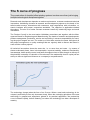
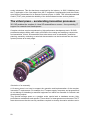
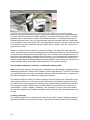
that the product is a Heidelberg product and a premium one at that. Closer inspection of the
details should confirm this first impression – through high-grade finishing, outstanding ergonomics and harmony of color and contours. Design creates recall value and engenders emotional attachment.
History
Further development: Heidelberg is the design leader in the industry
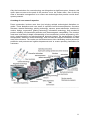
The design department is made up of nine personnel – six industrial designers, one media
designer and one engineer – who work together to develop the corporate image for the entire
Heidelberg product portfolio. In the 1980s, the company changed the look of its machines by
introducing an integrated concept. At Drupa 2000, Heidelberg’s revamped corporate design
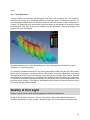
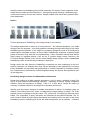
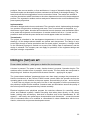
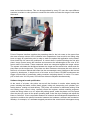
pulled off another coup with the new Speedmaster. It won countless national and international prizes for industrial design, such as the iF product design award (Hanover), the
I.D.Annual Design Review (U.S.) and the Good Design Award (Japan), which substantiates
Heidelberg’s claim to lead the way worldwide in styling too.
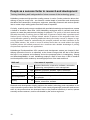
Design should not only appeal to Heidelberg’s customers but more importantly to the customer’s customers, for example when they visit the printshop to view operations or to okay a
proof. Worldwide surveys show that good design is crucially important to printshop customers. Customers are convinced by a well arranged printshop and a press that represents quality and high tech.
Describing design in terms of traditionalists and futurists
Design has nothing to do with cosmetic appearance, nor is it solely a question of taste. Design is a clear means of differentiating a product – especially in narrow, fiercely competitive
markets. Given the importance of design, “I like it” or “I don’t like it” cannot be used by a
company as reliable criteria for deciding how its products should look.
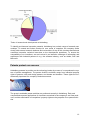
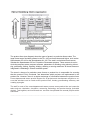
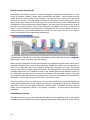
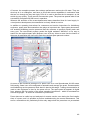
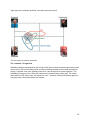
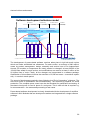
Special tools have been designed to enable descriptions of design, for example using semantics. This method uses four “types” to categorize the target groups of design. The “traditionalist” wants everything to stay the same. The “technocrat” is inspired by technical possibilities. The “pragmatist” is open, innovative and interested in the practical benefits. The “futurist” wants to break through existing boundaries and redefine form in the spirit of the times.
Heidelberg uses the following grid to plot the ideal configuration for its products – outstand-
52