Download Foreword
Transcript
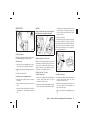
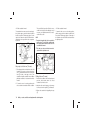
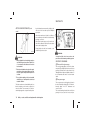
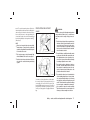
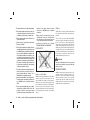
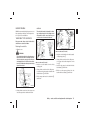
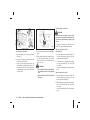
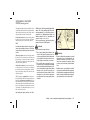
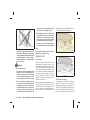
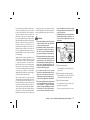
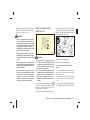
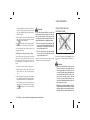
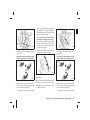
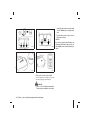
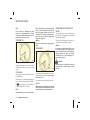
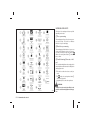
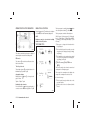
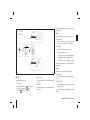
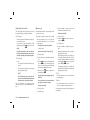
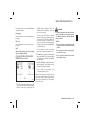
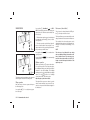
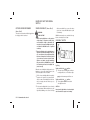
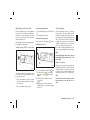
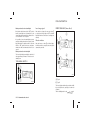
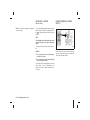
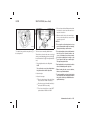
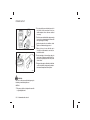
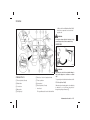
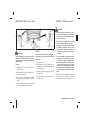
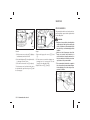
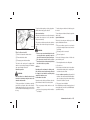
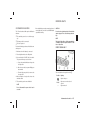
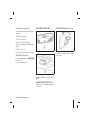
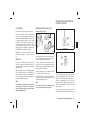
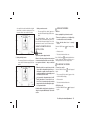
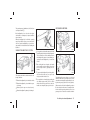
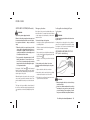
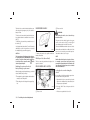
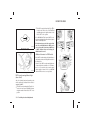
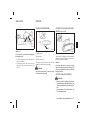
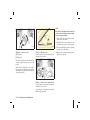
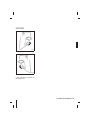
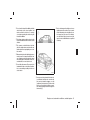
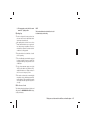
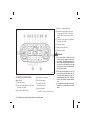
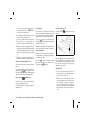
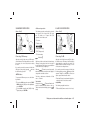
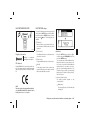
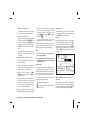
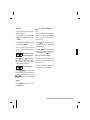
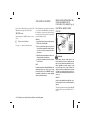
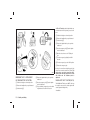
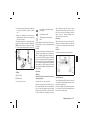
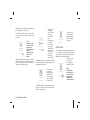
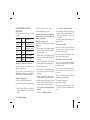
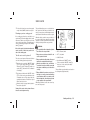
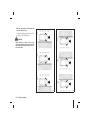
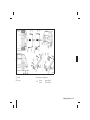
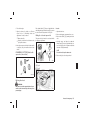
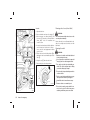
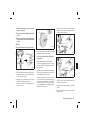
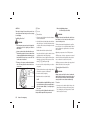
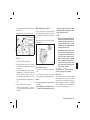
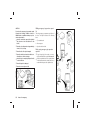
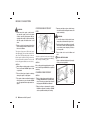
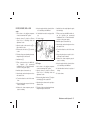
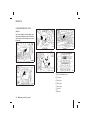
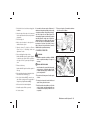
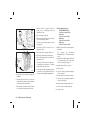
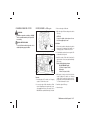
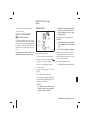
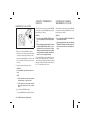
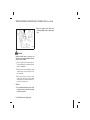
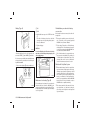
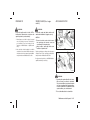
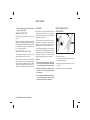
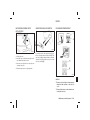
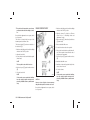
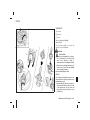
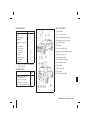
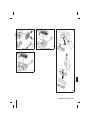
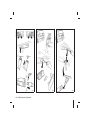
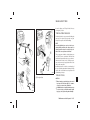
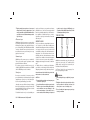
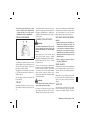
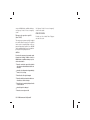
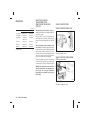
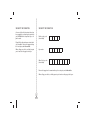
TRAILER TOWING • When parked on a sloping driveway, turn the wheels so the vehicle will not roll into the street in case it moves. • FACING DOWNHILL: j 1 Turn the wheels into the kerb, allow the vehicle to move forward until the kerb side wheel gently touches the kerb. Then set the handbrake. • FACING UPHILL: j 2 Turn the wheels away from the kerb and allow the vehicle to move back until the kerb side wheel gently touches the kerb. Then set the handbrake. • NO KERB — FACING DOWNHILL OR UPHILL: j 3 Turn the wheels toward the side of the road so the vehicle will move away from the centre of the road if it moves. Then set the handbrake. • • Your new vehicle was designed to be used primarily to carry passengers and luggage. Remember that towing a trailer will place additional loads on your vehicle’s engine, drive-train, steering, braking and other systems. Towing a trailer will also exaggerate other conditions, such as sway caused by crosswinds, rough road surfaces or passing trucks. Driving style and speed must be adjusted according to the circumstances. Before towing a trailer, see a NISSAN dealer or qualified workshop for an explanation of towing equipment and its proper use. • The trailer must be loaded so that heavy goods are distributed over the axle and as low in the trailer as possible. Poor load distribution can seriously affect the stability of the trailer and tow vehicle. • Do not exceed the maximum permitted vertical load on the trailer hitch. • Before driving, make sure that the lighting system of the trailer works properly. OPERATING PRECAUTIONS • When towing with 4WD models, the 4WD mode switch should be in the AUTO position. Using the vehicle in AUTO mode gives better traction, particularly when moving off from stationary and/ or on an incline, as the vehicle is less likely to wheel spin. • • • • Avoid abrupt starts, accelerations and stops. • Avoid towing a trailer during the running-in schedule. • Choose proper coupling devices (trailer hitch, safety chain, roof carrier, etc.) for your vehicle and trailer. These devices are available from a NISSAN dealer or qualified workshop where you can also obtain more detailed information about trailer towing. Turn the ignition switch to the LOCK position and remove the key/Intelligent Key (where fitted). Always turn off ignition after parking a vehicle with Stop/Start System fitted to avoid a possible flat battery. NOTE The Stop/Start System is designed to prevent unnecessary fuel consumption, exhaust emissions and noise during a journey. The Stop/ Start System does not automatically turn off ignition at the end of a journey. Contact a NISSAN dealer or qualified workshop for more information on this matter. Heavy-duty kits are available at a NISSAN dealer or qualified workshop. • • It is advisable to contact a NISSAN dealer or qualified workshop for towing details, before towing a trailer up steep slopes for long distances. Never allow the total trailer load (trailer weight plus its cargo weight) to exceed the maximum set for the coupling device. Avoid sharp turns and lane changes. Always drive your vehicle at a moderate speed. Always block the wheels on both vehicle and trailer when parking. Apply the handbrake (where fitted) on the trailer. Parking on a steep slope is not recommended. If parking on a steep slope is unavoidable it is also advisable to put the vehicle into gear, or select P (Park (AT or CVT models), and turn the front wheels into the kerb (in addition to the other precautions described). Before parking on a Starting and driving 5-35