1
Ch 02.qxd
8/24/04
10:33 AM
Page 2-4
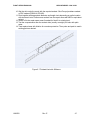
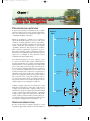
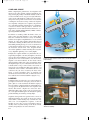
with tricycle gear. If the steps were located too far aft
or forward of this point, it would be difficult, if not
impossible, to rotate the airplane into a nose-up attitude
prior to lifting off. Although steps are necessary, the
sharp break along the underside of the float or hull
concentrates structural stress into this area, and the
disruption in airflow produces considerable drag in
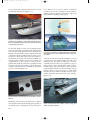
flight. The keel under the front portion of each float is
intended to bear the weight of the seaplane when it is
on dry land. The location of the step near the CG would
make it very easy to tip the seaplane back onto the rear
of the floats, which are not designed for such loads. The
skeg is located behind the step and acts as a sort of
chock when the seaplane is on land, making it more
difficult to tip the seaplane backward.
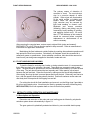
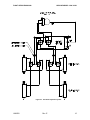
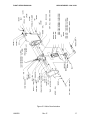
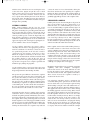
Most floatplanes are equipped with retractable water
rudders at the rear tip of each float. The water rudders
are connected by cables and springs to the rudder
pedals in the cockpit. While they are very useful in
maneuvering on the water surface, they are quite
susceptible to damage. The water rudders should be
retracted whenever the seaplane is in shallow water or
2-4
where they might hit objects under the water surface.
They are also retracted during takeoff and landing,
when dynamic water forces could cause damage.
SEAPLANE FLIGHT PRINCIPLES
In the air, seaplanes fly much like landplanes. The
additional weight and drag of the floats decrease the
airplane’s useful load and performance compared to
the same airplane with wheels installed. On many airplanes, directional stability is affected to some extent
by the installation of floats. This is caused by the
length of the floats and the location of their vertical
surface area in relation to the airplane’s CG. Because
the floats present such a large vertical area ahead of
the CG, they may tend to increase any yaw or sideslip.
To help restore directional stability, an auxiliary fin is
often added to the tail. Less aileron pressure is needed
to hold the seaplane in a slip. Holding some rudder
pressure may be required to maintain coordination in
turns, since the cables and springs for the water
rudders may tend to prevent the air rudder from
streamlining in a turn.