1
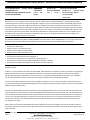
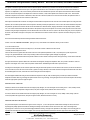
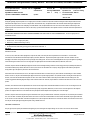
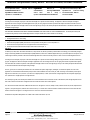
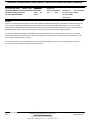
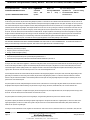
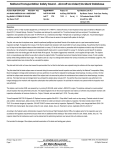
National Transportation Safety Board - Aircraft Accident/Incident Database
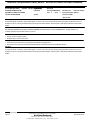
Accident Rpt# ERA10FA115
01/18/2010 1345 CST Regis# N810JA
Madison, AL
Apt: Huntsville HSV
Acft Mk/Mdl BEECH B-60
Acft SN P-591
Acft Dmg: SUBSTANTIAL
Rpt Status: Unk
Eng Mk/Mdl LYCOMING TI0-541 SER
Acft TT
Fatal
Flt Conducted Under: FAR 091
Opr Name: WHITE JOHN J
Opr dba:
3383
2
Ser Inj
0
Prob Caus: Pending
Aircraft Fire: GRD
AW Cert: STN
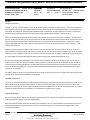
Summary
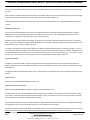
The multiengine airplane was at an altitude of 6,000 feet when it experienced a catastrophic right engine failure, approximately 15 minutes after takeoff. The pilot
elected to return to his departure airport, which was 30 miles away, instead of diverting to a suitable airport that was located about 10 miles away. The pilot
reported that he was not able to maintain altitude and the airplane descended until it struck trees and impacted the ground, approximately 3 miles from the
departure airport. The majority of the wreckage was consumed by fire. A 5 1/2 by 6-inch hole was observed in the top right portion of the crankcase. Examination
of the right engine revealed that the No. 2 cylinder separated from the crankcase in flight. Two No. 2 cylinder studs were found to have fatigue fractures
consistent with insufficient preload on their respective bolts. In addition, a fatigue fracture was observed on a portion of the right side of the crankcase, mostly
perpendicular to the threaded bore of the cylinder stud. The rear top 3/8-inch and the front top 1/2-inch cylinder hold-down studs for the No. 2 cylinder exceeded
the manufacturer's specified length from the case deck by .085 and .111 inches, respectively. The airplane had been operated for about 50 hours since its most
recent annual inspection, which was performed about 8 months prior the accident. The right engine had been operated for about 1,425 hours since it was
overhauled, and about 455 hours since the No. 2 cylinder was removed for the replacement of six cylinder studs. It was not clear why the pilot was unable to
maintain altitude after the right engine failure; however, the airplane was easily capable of reaching an alternate airport had the pilot elected not to return to his
departure airport.
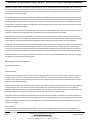
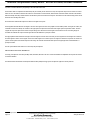
Cause Narrative
THE NATIONAL TRANSPORTATION SAFETY BOARD DETERMINED THAT THE CAUSE OF THIS OCCURRENCE WAS: The pilot's failure to divert to the
nearest suitable airport following a total loss of power in the right engine during cruise flight. Contributing to the accident was the total loss of power in the right
engine due to separation of its No. 2 cylinder as a result of fatigue cracks.
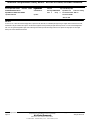
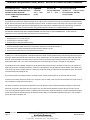
Events
1. Enroute-cruise - Loss of engine power (total)
2. Emergency descent - Collision with terr/obj (non-CFIT)
Findings - Cause/Factor
1. Personnel issues-Action/decision-(general)-(general)-Pilot - C
2. Aircraft-Aircraft power plant-Engine (reciprocating)-Recip eng cyl section-Failure - F
3. Personnel issues-Task performance-Maintenance-Repair-Maintenance personnel
Narrative
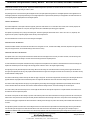
HISTORY OF FLIGHT
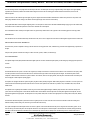
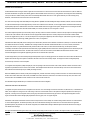
On January 18, 2010, about 1345 central standard time, a Beechcraft B-60, N810JA, operated by the private pilot, was destroyed after it experienced a right
engine failure and impacted terrain in Madison, Alabama. The certificated private pilot and a passenger were fatally injured. Visual meteorological conditions
prevailed and an instrument flight rules flight plan was filed for the flight that departed Huntsville International Airport (HSV), Huntsville, Alabama, destined for
Nashville International Airport (BNA), Nashville, Tennessee. The personal flight was conducted under the provisions of 14 Code of Federal Regulations Part 91.
The airplane was owned by the pilot and based in Decatur, Illinois.
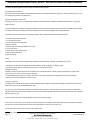
According to information obtained from the Federal Aviation Administration (FAA), the flight originated at Boca Raton, Florida, and arrived at HSV about 1230.
The airplane was "topped-off" with 185 gallons of 100-low-lead aviation gasoline, and departed at about 1315. The airplane was subsequently cleared to climb to
6,000 feet and proceed direct to BNA. At 1327, the pilot reported that the airplane was level at 6,000 feet; however, about 3 minutes later, the pilot reported that
the airplane had experienced a right engine failure. He further stated "...we've got control but ah we we're gonna need to land" and at one point the pilot stated
that the right engine was "feathered." The controller informed the pilot that the airplane was about 10 miles west of the Fayetteville Municipal Airport (FYM),
Somerville, Tennessee; however, the pilot replied "alright how about ah taking us back to Huntsville that's a big runway." (FYM was equipped with a
5,000-foot-long, asphalt runway) The airplane was then cleared direct to HSV, which was located about 30 miles to the south.
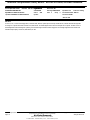
Radar data revealed the airplane made a right turn to reverse course, while gradually descending. At 1333, the airplane was at an altitude of 4,800 feet, about 7
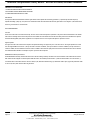
miles west of FYM. At 1337, the pilot reported that he was "trying" to maintain an altitude of 3,000 feet; however, the airplane continued to descend. At 1341, the
Printed: July 22, 2011
Page 2
an airsafety.com e-product
Prepared From Official Records of the NTSB By:
Air Data Research
9865 Tower View, Helotes, Texas 78023
210-695-2204 - [email protected] - www.airsafety.com
Copyright 1999, 2011, Air Data Research
All Rights Reserved