1
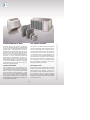
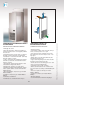
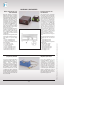
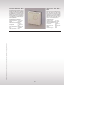
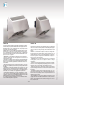
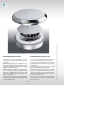
ANTICONDENSATE HEATERS
They are used to solve the problem of condensate
forming due to the very low temperatures reached
when the equipment is stopped. The heaters keep
the inside temperature within safety limits, so avoiding the problem mentioned above.
Ilinox srl - Parma, Italia - Tel.: +39 0521.813.629 (r.a.) - Fax: +39 0521.813.570 - [email protected] - web page: www.ilinox.com
RISCALDATORI ANTICONDENSA
Servono per ovviare al problema della formazione di
condensa durante il periodo di fermo delle apparecchiature, a causa del raggiungimento di temperature
molto basse. I riscaldatori mantengono la temperatura interna entro valori di sicurezza, ovviando così
al succitato inconveniente.
CALCULATION OF HEAT EXCHANGE
Calculating the heat load to be removed represent
the essential step when choosing the cooling system, and four factors should be considered: the
heat dissipated by the equipment inside the panel,
the temperature in the room where the panel is installed, the temperature one wish to keep inside the
panel, control board sizes and set-up conditions.
As far as the quantity of heat produced by the inner
components is concerned, the data shown on the technical sheets of the components themselves must
be checked and evaluated. No need saying that while
making this calculation the possibility of various
units working simultaneously should be taken into
consideration.
Also, as already mentioned, the temperature of the
room where the electric cabinet is installed must be
carefully evaluated. In fact, an exchange takes place
between the panel surfaces and the environment. If
the outside temperature is lower than the inner one,
heat is transferred from inside to outside, and must
be subtracted from the heating load produced by the
components; if, on the contrary, the outside temperature is higher than the inside one, the opposite will
occur, hence the heat absorbed shall be summed to
the heat dissipated by the equipment. In s/s surfaces,
5.5 W/m2K are transmitted per each square meter of
cabinet surface.
The calculation of the over temperature inside the
cabinet must meet CEI 17/43 standard, according to
the cabinet operating conditions.
The relevant calculation sheet in Microsoft® Excel
format is available for easier calculation of the thermal exchange in compliance with the above mentioned standard.
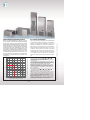
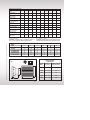
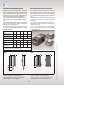
A rough calculation is however possible following
the method below:
CALCOLO DELLO SCAMBIO TERMICO
Il calcolo del carico termico da smaltire è la fase fondamentale per una corretta scelta del sistema di raffreddamento e deve tenere conto di 4 componenti: il
calore dissipato dalle apparecchiature all’interno del
quadro, la temperatura dell’ambiente in cui il quadro
è collocato, la temperatura che si desidera mantenere
all’interno e le dimensioni e condizioni di installazione
del quadro stesso.
Per quanto riguarda la quantità di calore prodotto dai
componenti interni , occorre verificare e valutare i
dati indicati sulle schede tecniche dei componenti
stessi. Naturalmente, nell’effettuare questo calcolo è
importante tenere presente in quale contemporaneità
lavorano i vari apparecchi.
Inoltre, come già accennato, anche la temperatura
dell’ambiente in cui l’armadio è posto deve essere accuratamente valutata. Infatti le superfici del quadro
scambiano calore con l’ambiente stesso. Pertanto se
la temperatura esterna è inferiore a quella interna,
viene ceduto calore dall’interno all’esterno, e quindi
va sottratto al carico termico prodotto dai componenti; viceversa, se la temperatura esterna è superiore a quella interna si verificherà il fenomeno
contrario, quindi si dovrà sommare il calore assorbito
a quello dissipato dalle apparecchiature. Per le superfici inox vengono trasmessi 5,5 W/m2K per ogni
metro quadrato della superficie stessa.
Il calcolo della sorva temperatura all’interno dell’armadio deve essere eseguito secondo la norma CEI
17/43 in base alle condizioni di utilizzo dell’armadio
stesso.
Per effettuare agevolmente il calcolo dello scambio
termico secondo la normativa succitata, è disponibile
su richiesta il foglio di calcolo in formato Microsoft®
Excel.
Per un calcolo di massima è comunque possibile seguire la seguente traccia:
119