1
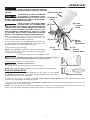
RISK OF CUT OR BURNS
RISK OF EXPLOSION OR FIRE
What can happen
• When paints or
materials are
sprayed, they are
broken into very
small particles and
mi xed with air. This
will cause certain
paints and
materials to
become extremely
flammable and
could result in
serious
injury or death.
• 1,1,1-Trichloroethane
and Methylene
Chloride can
chemically react
with the aluminum
used in most spray
equipment, and
this gun and cup,
to produce an
explosion hazard
and could result
in serous injury or
death.
How to prevent it
• Never spray near
open flames or pilot
lights in stoves or
heaters.
• Never smoke while
spraying.
• Provide ample
ventilation when
spraying indoors.
What can happen
How to prevent it
• Never place hands
• Spray guns
in front of nozzle.
operate at
pressures and
• Direct spray away
velocities high
from self and
enough to
others.
penetrate human
•
Seek immediate
and animal flesh,
medical attention if
which could result
direct spray
in amputation or
contacts
other serious injury.
exposed body
! See a physician
parts.
immediately !
• Read the label or
data sheet for the
material you intend
to spray.
• Never use any type
of spray coating
material containing
these solvents.
• Never use these
solvents for
equipment cleaning
or flushing.
• If in doubt as to
whether a material
is compatible,
contact your
material supplier.
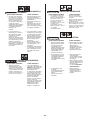
RISK FROM FLYING OBJECTS
What can happen
How to prevent it
• Disconnect the
• Certain parts are
gun from the air
under pressure
line, or completely
whenever the gun
depressurize the
is connected to
air line whenever
a pressurized air
the gun is to
line. These parts
be disassembled.
may be propelled
if the gun is disassembled.
RISK TO BREATHING
(ASPHYXIATION)
What can happen
How to prevent it
• Use a NIOSH
• Some paints,
approved mask
coatings and
or respirator and
solvents may cause
protective clothlung damage, and
ing designed for
burns if inhaled or
use with your
allowed to come
specific application
into contact with
and spray materiskin or eyes.
als. Some masks
provide only limited
protection against
toxic materials and
harmful paint solvent. Consult with
a Safety Expert or
Industrial Hygienist
if uncertain about
your equipment or
materials.
-5-
• Compressed air
may propel dirt,
metal shavings,
etc. and possibly
cause an injury.
• Never point any
nozzle or sprayer
toward a person or
part of the body.
• Always wear ANSI
Z87.1 CAN/CSA
Z94.3 approved
safety glasses with
side shields.
• Prolonged exposure to air spray
can result in
permanent damage to hearing.
• Always wear hearing protection
when operating
spray equipment.