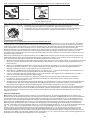
1
8. Do not re-pack.
9. Not suitable to collect and transport microorganisms other than aerobes, anaerobes and fastidious bacteria.
10. Not suitable for any other application beyond the stated intended use.
11. The use of this product in association with a rapid diagnostic kit or with diagnostic instrumentation should be
previously validated by the user.
12. Do not use if the swab is visibly damaged (i.e., if the swab tip or swab shaft is broken).
13. Do not use excessive force or pressure when collecting swab samples from patients as this may result in breakage
of the swab shaft.
14. Do not ingest the medium.
15. Do not use the BD ESwab medium for pre-moistening or pre-wetting the applicator swab prior to collecting the
sample or for rinsing or irrigating the sampling sites.
16. BD ESwab should not be used if (1) there is evidence of damage or contamination to the product, (2) there
is evidence of leakage, (3) the expiration date has passed, (4) the collection kit is open, or (5) there are other signs of
deterioration.
17. Do not bend swab before use. If there is evidence to suggest the swab was bent do not use.
Storage and Handling
This product is ready for use and no further preparation is necessary. The product should be stored in its original
packaging at 5 – 25°C until used. Do not incubate or freeze. Improper storage will result in a loss of efficacy. Do not
use after expiration date, which is clearly printed on the outer box and on each individual sterile collection kit and the
specimen transport tube label.
Materials Provided
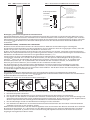
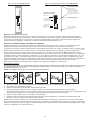
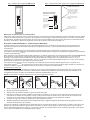
BD ESwab is supplied in a collection kit format. Fifty (50) collection kits are contained in a shelf pack. Each collection
kit consists of two components: a pre-labeled polypropylene screw-cap tube with conical shaped bottom filled with
1 mL of Liquid Amies transport medium, and a specimen collection swab which has a tip flocked with soft nylon fiber
(see Figs 1 and 2). Three types of collection kit configurations are available: one containing a regular size flocked
nylon swab applicator for sampling sites* (nose, throat, vagina and wounds); one containing a minitip size flocked
nylon swab applicator for sampling sites* (eye, ear, nasal passages, nasopharynx, throat, urogenital tract and for
pediatric sample collection); and one containing a flexible minitip size flocked nylon swab applicator for sampling
sites* (nasopharynx and pediatric sample collection).
*Performance testing was not conducted using human specimens.
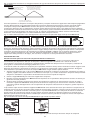
Fig 1. BD ESwab Collection Kit Fig 2. BD ESwab Collection Kit Components
��������������������������������������������
� ����������������������
����
�
Materials Required But Not Provided
Appropriate materials for isolating and culturing aerobes, anaerobes and fastidious bacteria. These materials include
culture media plates or tubes and incubation systems, gas jars or anaerobic workstations. Refer to laboratory reference
manuals for recommended protocols for culture and identification techniques for aerobes, anaerobes and fastidious
bacteria from clinical swab samples.14-20
SPECIMEN COLLECTION, STORAGE AND TRANSPORT
Laboratory safety procedures should be followed. Caution should be used to minimize splashes and spills of medium
during specimen collection and testing procedures described below.
Samples collected for bacteriological investigations which comprise the isolation of aerobes, anaerobes and
fastidious bacteria such as Nesseria gonorrhoeae should be collected and handled following published manuals and
guidelines.2,3,14-19
To maintain optimum organism viability, transport specimens collected using BD ESwab directly to the laboratory,
preferably within 2 h of collection.2-4 If immediate delivery or processing is delayed, then specimens should be
refrigerated at 4 – 8ºC or stored at room temperature (20 – 25°C) and processed within 48 h except for Neisseria
gonorrhoeae cultures which should be processed within 24 h.
Specific requirements for the shipment and handling of specimens should be in full compliance with state and
federal regulations.15,18,19 Shipping of specimens within medical institutions should comply with internal guidelines
of the institution. All specimens should be processed as soon as they are received in the laboratory.