1
Method are described in CLSI M40-A and other publications.4,5,7,8,32-34 If aberrant quality control results are noted,
patient results should not be reported.
LIMITATIONS OF THE PROCEDURE
1. Condition, timing, and volume of specimen collected for culture are significant variables in obtaining reliable
culture results. Follow recommended guidelines for specimen collection.2,3,14,16,17,20,21
2. BD ESwab is intend for use as a collection and transport medium for aerobes, anaerobes and fastidious bacteria
such as Neisseria gonorrhoeae.
3. BD ESwab Collection and Transport System is intended to be used with the medium tubes and swabs provided in
the kit. The use of tubes of medium or swabs from any other source are not qualified for use with BD ESwab and
could affect the performance of the product and laboratory test results.
EXPECTED VALUES
Results obtained will largely depend on proper and adequate specimen collection, as well as timely transport and
processing in the laboratory.
PERFORMANCE CHARACTERISTICS
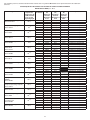
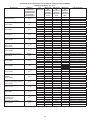
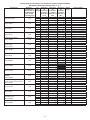
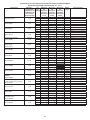
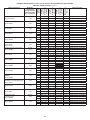
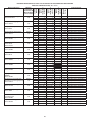
In the routine clinical laboratory, the Roll-Plate Method is the primary means of inoculating swab transport devices
onto plated media. A limitation of the Roll-Plate Method4 for bacterial viability performance testing is that it is not
a quantitative method; it is, at best, a semiquantitative approximation. On the other hand, quantitative viability
performance methods such as the Swab Elution Method4 do not reflect the standard protocol used in most clinical
laboratories. Whereas the Swab Elution Method allows a quantitative measurement of the ability of a transport
system to maintain viable organisms, the Roll-Plate technique takes into consideration some mechanical variables of
the direct swabbing action that exist in the clinical laboratory, and which can influence the release of the sample onto
culture plates. Because of this, both methods of performing viability studies were used to determine the performance
characteristics of the BD ESwab Collection and Transport System.
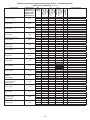
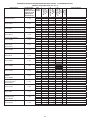
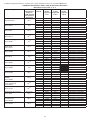
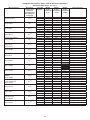
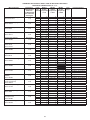
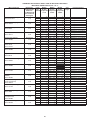
The test procedures employed for determining bacterial viability performance were based upon the quality control
methods described in CLSI M40-A.4,5,7,8,32-34 The test organisms utilized in this study were those specifically prescribed
in CLSI M40-A for establishing performance claims and quality control of swab transport systems and include a
representative panel of aerobes, anaerobes and fastidious bacteria. An additional group of organisms not required
or specified by CLSI M40-A were tested in order to provide further information on the survival of specific bacteria.
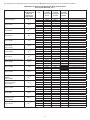
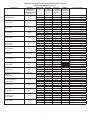
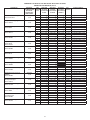
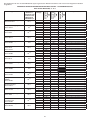
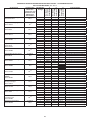
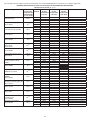
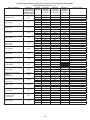
Bacterial viability studies were performed on the BD ESwab at two different ranges of temperature, 4 – 8 °C and
20 – 25°C, corresponding to refrigerator and room temperature, respectively. Swabs accompanying each transport
system were inoculated in triplicate with 100 µL of specific concentrations of organism suspension. Swabs were then
placed in their respective transport medium tubes and were held for 0 h, 24 h and 48 h. At the appropriate time
intervals, each swab was processed according to the Roll-Plate or Swab Elution Method.
Organisms evaluated were divided into three main groups (see note below):
1. Aerobes and Facultative Anaerobes:
Pseudomonas aeruginosa ATCC™ BAA-427, Streptococcus pyogenes ATCC 19615, Streptococcus pneumoniae ATCC
6305, Haemophilus influenzae ATCC 10211.
2. Anaerobes:
Bacteroides fragilis ATCC 25285, Peptostreptococcus anaerobius ATCC 27337, Fusobacterium nucleatum ATCC 25586,
Propionibacterium acnes ATCC 6919, Prevotella melaninogenica ATCC 25845.
3. Fastidious Bacteria:
Neisseria gonorrhoeae ATCC 43069.
Additional organisms evaluated:
Enterococcus faecalis (vancomycin-resistant Enterococcus, VRE) ATCC 51299, Staphylococcus aureus (methicillinresistant Staphylococcus aureus, MRSA) ATCC 43300, Streptococcus agalactiae (Group B Streptococcus) ATCC 13813,
Clostridium perfringens ATCC 13124, Clostridium sporogenes ATCC 3584, Fusobacterium necrophorum ATCC 25286,
Peptococcus magnus ATCC 29328.