1
202
CHAPTER
5
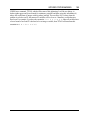
It is a good idea to apply the POSD command to any quadratic program when you first develop the
model. In most cases, in particular with financial portfolio models, one would expect the Positive
Definite command to declare the matrix positive definite or at least positive semi-definite. If you do
not get either of these two messages, then it probably means there is an error in the data or the logic. If
the model is indefinite, it may have multiple local optima (which optimum you will get as a solution is
arbitrary).
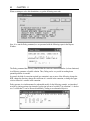
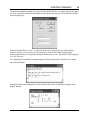
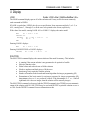
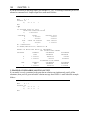
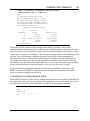
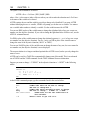
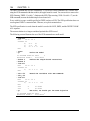
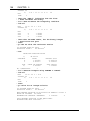
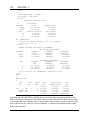
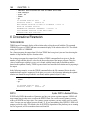
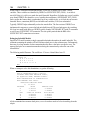
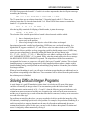
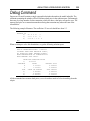
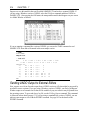
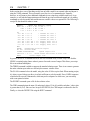
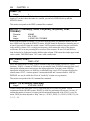
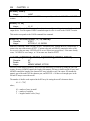
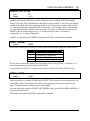
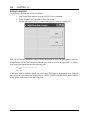
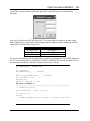
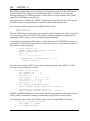
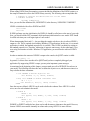
Below, is the results for running the Positive Definite command on our 3 asset portfolio model
presented above:
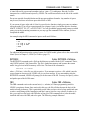
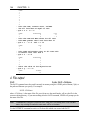
(SUB)MATRIX IS
POSITIVE DEFINITE;
RANK = 3 OUT OF 3
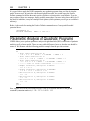
Parametric Analysis of Quadratic Programs
LINDO allows you to perform parametric analysis on right-hand side (RHS) coefficients of quadratic
models as well as linear models. There are some subtle differences, however, that the user should be
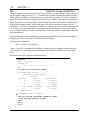
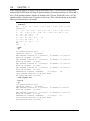
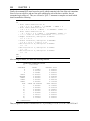
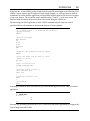
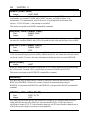
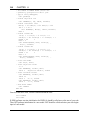
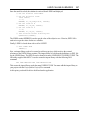
aware of. We illustrate with the following portfolio example from the previous sections:
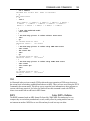
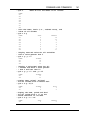
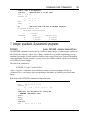
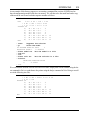
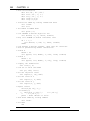
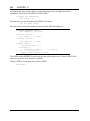
MIN X + Y + Z + UNITY + RETURN + XFRAC + YFRAC + ZFRAC
ST
! First order condition for X:
6 X + 2 Y - Z + UNITY - 1.3 RETURN + XFRAC > 0
! First order condition for Y:
2 X + 4 Y - 0.8 Z + UNITY - 1.2 RETURN + YFRAC > 0
! First order condition for Z:
- X - 0.8 Y + 2 Z + UNITY - 1.08 RETURN + ZFRAC > 0
! ------- Start of "real" constraints -------------! Budget constraint, multiplier is UNITY:
X + Y + Z = 1
! Growth constraint, multiplier is RETURN:
1.3 X + 1.2 Y + 1.08 Z > 1.12
! Max fraction of X, multiplier is XFRAC:
X < .75
! Max fraction of Y, multiplier is YFRAC:
Y < .75
! Max fraction of Z, multiplier is ZFRAC:
Z < .75
END
QCP 5
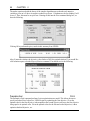
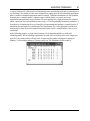
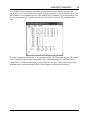
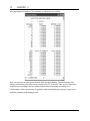
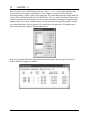
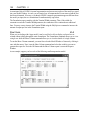
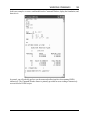
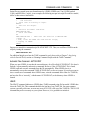
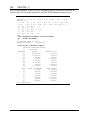
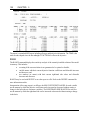
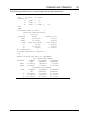
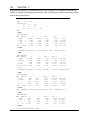
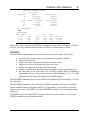
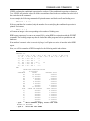
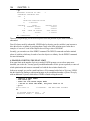
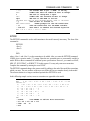
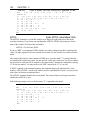
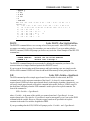
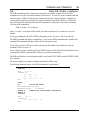
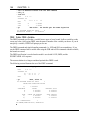
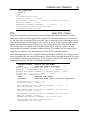
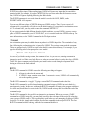
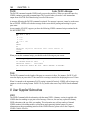
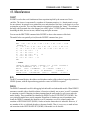
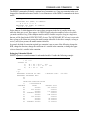
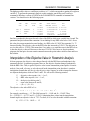
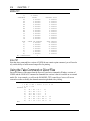
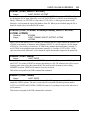
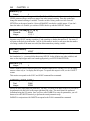
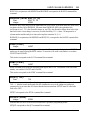
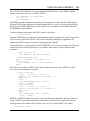
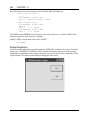
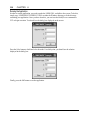
Now, suppose we wish to trace out the objective value as we increase the RHS of the growth
constraint (constraint number 6): 1.3 X + 1.2 Y + 1.08 Z > 1.12.