1
64
(a) Water content
(b) Log(Cl) (mmol / 1000 cm³ soil)
0
0
-3.8
-2
0.22
0.18
-4
0.14
0.1
-6
1972
-4
Depth (cm)
Depth (cm)
0.26
1974
1976
1978
1980
1982
-2
-4.2
-4.4
-4
-4.6
-4.8
-6
-5
-5.2
0.06
1972
1974
1976
1978
1980
1982
Time (year)
Time (year)
(c) pH
(d) Log(Aqueous Cd) (mmol / 1000 cm³ soil)
0
0
-7
4.3
-2
4.1
3.9
-4
3.7
Depth (cm)
Depth (cm)
4.5
-7.4
-2
-7.8
-8.2
-4
-8.6
3.5
-6
1972
3.3
1974
1976
1978
Time (year)
1980
1982
3.1
-6
-9
-9.4
1972
1974
1976
1978
1980
1982
Time (year)
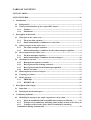
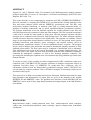
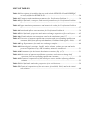
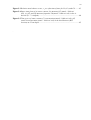
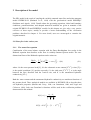
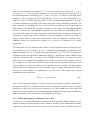
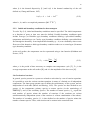
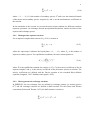
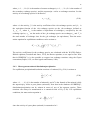
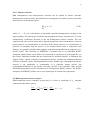
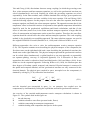
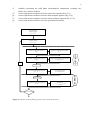
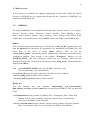
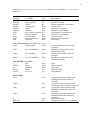
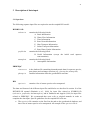
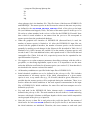
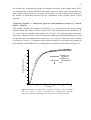
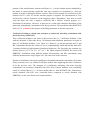
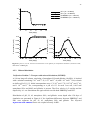
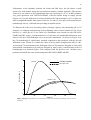
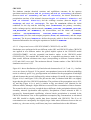
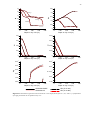
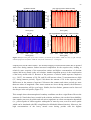
Figure 5.4 Space-time plots of (a) water content, (b) amount of Cl (mmol / 1000 cm³ soil), (c) pH, and (d)
amount of aqueous Cd (mmol / 1000 cm³ soil) in the A-horizon (0 – 7 cm depth).
sorption sites for the other cations. The increased supply of monovalent cations due to upward
water flow during summer further increased competition for the sorption sites, leading to
relatively more sorption of the monovalent cations and higher concentrations of divalent
cations and heavy metals in the soil solution. Another important process is the complexation
of the heavy metals with Cl. Because of the presence of relative stable aqueous complexes
(e.g., CdCl+), the amounts of Cd, Pb, and Zn will increase when Cl concentrations are high
(i.e., during summer periods). Figure 5.4d shows the amount of Cd in the aqueous phase.
Differences in the amount of aqueous Cd between the summer and winter periods are more
than two orders of magnitude. Since water contents are lower during summer, the differences
in the concentrations will be even larger. Similar, but less distinct, patterns can be observed
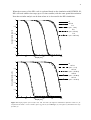
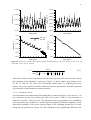
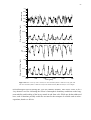
also deeper in the soil profile (Figure 5.5).
This example shows that atmospheric boundary conditions can have a significant effect on the
amounts of Cd and other heavy metals in the solution, and hence also on their bioavailability,
since uptake processes by plants and soil micro-organisms are often concentration dependent
(i.e., passive uptake of solutes together with uptake of water by roots, as well as active uptake
which can be simulated with HP1 using Monod or Michealis-Menten kinetics). Moreover, the
high concentrations of the heavy metals occur during periods with the highest