1
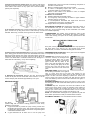
3: Brick up and form the flueway. Build-up a masonry wall around
the boiler, forming a smooth connection to the flue with no ledges
where debris could collect. Fill any space with mortar-and-rubble. ●
(Shown part-completed)
●
dissipate heat in the event of boiler overheating, irrespective of
how other controls are set.
Means to completely drain water from the system.
A means of dissipating surplus heat, such a permanently
connected radiator or hot-water system.
● Means to allow steam to be released in case of complete
thermostat and electrical failure.
In addition, we recommend:
● Radiators fitted with thermostatic valves.
● An 'anti gravity' valve preventing circulation to upper radiators
when the pump is not running.
● A room-temperature thermostat and single-circuit time-clock
controlling the running of the circulating pump.
The diagram shown one possible arrangement.
MULTI-BOILER SYSTEMS with simultaneous automatic control of
the GreenSwitch and gas, oil, cooker-boilers, heat stores, combi4: Fit fireplace surround. Slot a ready-made fireplace surround in boiler etc. can be achieved using an Esse Centraliser unit. Details
place, or build one up using brick, stone or other masonry or metal are available separately.
materials. Extra fixing, if needed, is through the screw holes shown.
COMMISSIONING The installer must complete the notice at the
beginning of this document, demonstrate the method of lighting,
control and cleaning, and point out the safety requirements to the
householder.
GETTING THE BEST FROM YOUR
Every fuel, chimney and condition of use is different. Only experience
will show which is the best for you. We suggest trying several
different fuels, or mixtures, and different settings of the controls.
GREENSWITCH GETS VERY HOT- Use a glove or the tool supplied
to manipulate hot parts and controls.
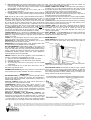
5: Refit front and check thermostat: Bolt the door/front unit back in
place, taking great care that the parts seal. Reassemble the interior
fittings and check that the door closes and seals properly. Push the
thermostat sensor fully into its pocket, securing it with a dab of fire
cement. The thermostat is a delicate instrument and, although it is
tested and set at the factory, it may need re-adjusting.
LIGHTING After a period of non-use, do
check the chimney for blockages first!
Empty the ashes. Place two or three
firelighters close together, or screwed-up
paper covered with dry sticks, at the
back of the grate and light them. When
they are burning well gently fill the fire
with dry fuel to the level shown. Don't
over-fill or allow fuel to touch the throat
plate.
EMPTYING ASHES Use the tool to pull
the de-ashing mechanism on the right-hand side of the fire back-and
forth. If it jams, don't force it but wait a few minutes for any
obstructing fuel lump to burn away. Open the door and lift out the
6: Adjusting the thermostat: With the fire cold, the thermostat
ashpan. Let ash cool before disposing in plastic bins. There is no
sensor vial in place and the thermostat control turned to '1' the air
need to empty every speck, but make sure that ash from mineral
closure 'damper' plate should be approximately 7 mm open.
fuels never builds up so that it touches the underside of the grate, or
the grate will melt.
HEATING CIRCUIT
EXTENDED BURNING Allow the fire to burn down to a low, hot fire
bed. Empty the ash and well fill with smaller pieces of hard fuel such
as anthracite.
CLEANING Wipe the body when cool. Soot will condense on the
window if the fuel is damp or if the fire operates at low outputs for
long periods. Deposits will normally burn-off when the next fastburning cycle comes round, but persistent stains can be removed
with a household bleach spray cleaner when the fire is cold.
DOOR Your GreenSwitch is designed to be operated only with the
door closed. Open the door slowly to minimise fumes emission.
AUTOMATIC CONTROL. Your GreenSwitch has three controls.
The GreenSwitch is for connection to open-vented, indirect, water
systems only, with a maximum working pressure of 2 bar. Every
installation must include:
● A pipe thermostat to prevent the pump running if boiler flow
temperature drops below c50°C. This prevents heat from stored
hot water being dumped if the fire dies down and guards against
condensation inside the boiler.
● A pipe thermostat set at about 90°C to run the pump and
3