1
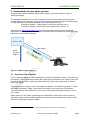
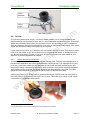
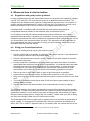
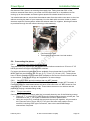
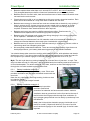
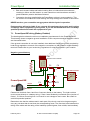
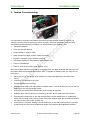
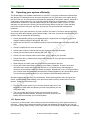
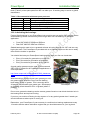
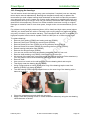
PowerSpout 10. Installation Manual Operating your system efficiently The PowerSpout is a durable machine but it runs 24/7 so regular checks and maintenance are advised. A PowerSpout may do more revolutions in one year than a car engine during the life of the car. A car engine has a filtered and pumped oil lubrication system, whereas a small hydro turbine does not. You must pay special attention to the bearings. A bearing maintenance schedule is outlined below and you are required to follow it if your 3-year warranty is to be honored. Should you have a bearing failure during the 3-year warranty period we will ask to see your log book as proof you have followed the maintenance schedule. To maintain your hydro scheme in a good condition for years to come we recommend you keep a log book and regularly (every week initially, and once you become familiar with your system every 2 weeks) do the following: Check the specific gravity of your batteries with a hydrometer and reduce your power usage if battery charge is falling (BE, ME, HE). Check the acid level in your batteries and top up with distilled water as required (BE, ME, HE). Check PowerSpout air vents are clean Check hydro output is normal and has not changed since last checked. Check your diversion load is working (BE, ME, HE). Check you have surplus water at the intake. If not, reduce your jet sizes. Check there are no obstructions (twigs) that have got in your pipe and are partially blocking the jets. Walk the pipe line each year and check for any damage to the pipe. One a year check termination points on your battery, regulator, inverter, fuses and diversion load. Clean and tighten as required. If you observe any heat damage or corrosion at terminations attend to these and repair. Remember to turn off all generation, your inverter and remove battery fuses before cleaning/tightening any termination points. You should pay special attention to your diversion load and battery terminals. We also suggest you are wary of complacency. Since these systems work and give free power, people tend to keep adding more and more loads until they reach the limit of the system. Hence we recommend you: Fit a remote power meter to your inverter that will alert you if you exceed your peak load and advise you how many kWhrs you are using each day. Tell your guests about living off the grid and that they cannot plug in large resistive heaters, as these can knock years off your battery life and overload your inverter system. Power meter 10.1. Spare parts If you live in a remote part of the world you should consider having a full spare parts kit on the shelf. These are not expensive and will mean that whatever the problem you can get your system going again quickly. At the very least you should hold a spare shaft and bearing February 2011 © 2011 EcoInnovation Ltd (NZ) Page 45