1
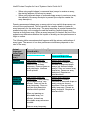
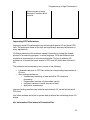
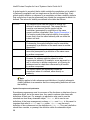
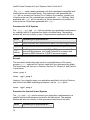
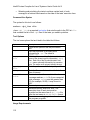
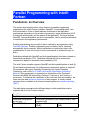
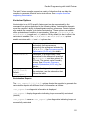
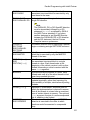
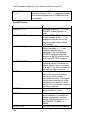
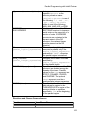
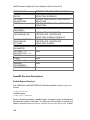
Compiler Optimizations
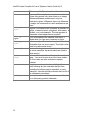
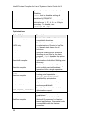
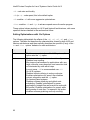
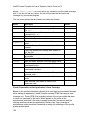
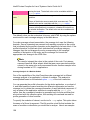
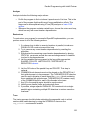
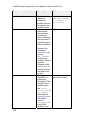
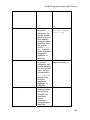
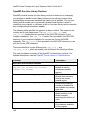
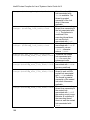
-O0
-save
-vms
Turns off optimizations. Can be used during the early
stages of program development or when you use the
debugger.
Forces the local variables to retain their values from
the last invocation terminated. This may change the
output of your program for floating-point values as it
forces operations to be carried out in memory rather
than in registers, which in turn causes more frequent
rounding of your results.
Controls certain VMS-related run-time defaults,
including alignment. If you specify the -vms option,
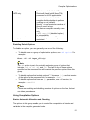
you may need to also specify the -align records
option to obtain optimal run-time performance.
Little-endian-to-Big-endian Conversion
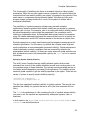
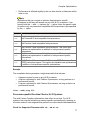
The Intel Fortran Compiler can write unformatted sequential files in big-endian
format and also can read files produced in big-endian format by using the littleendian-to-big-endian conversion feature.
Both on IA-32-based processors and on Itanium®-based processors, Intel
Fortran handles internal data in little-endian format. The little-endian-to-bigendian conversion feature is intended for Fortran unformatted input/output
operations in unformatted sequential files. The feature enables:
•
•
processing of the files developed on processors that accept big-endian data
format
producing big-endian files for such processors on little-endian systems.
The little-endian-to-big-endian conversion is accomplished by the following
operations:
•
•
The WRITE operation converts little-endian format to big-endian format.
The READ operation converts big-endian format to little-endian format.
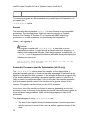
The feature enables the conversion of variables and arrays (or array subscripts)
of basic data types. Derived data types are not supported.
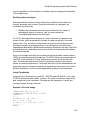
Little-to-Big Endian Conversion Environment Variable
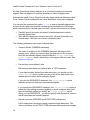
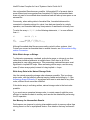
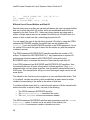
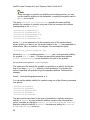
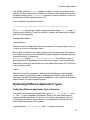
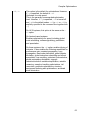
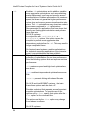
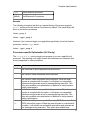
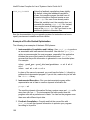
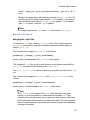
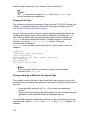
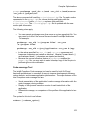
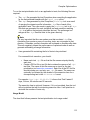
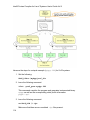
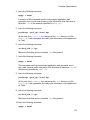
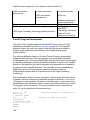
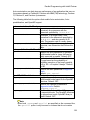
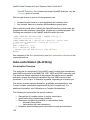
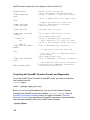
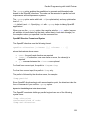
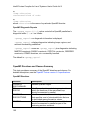
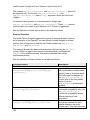
In order to use the little-endian-to-big-endian conversion feature, specify the
numbers of the units to be used for conversion purposes by setting the
F_UFMTENDIAN environment variable. Then, the READ/WRITE statements that
use these unit numbers, will perform relevant conversions. Other READ/WRITE
statements will work in the usual way.
45