1
Chimney Requirements
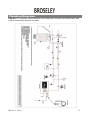
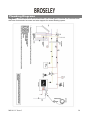
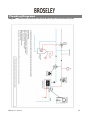
Ideally it is recommended that the flue run is as straight as possible using the top
outlet on the stove. The flue must have a minimum vertical height of 5 metres to
insure adequate draught. You can have a maximum of four bends in the run, each
bend must not exceed 45° and an additional metre of vertical flue should be
provided for each bend. We also recommend a minimum vertical section of 600mm
before any bend immediately off the appliance. Provision should be made for
sweeping as you CANNOT SWEEP THROUGH THE APPLIANCE, a soot door in the
initial section of flue pipe with suitable clearance will allow this.
This appliance must not be fitted into a chimney serving another heating appliance. It is
most important that there is no obstruction in the flue or chimney. Please ensure that any
existing chimney is clear of obstruction and swept clean immediately before installation of
the new stove. If the chimney has been used for an open fire it is recommended that it be
swept for a second time having been used for a month following installation.
A flue draught minimum of 14 Pascals to a maximum 20 Pascals is required for
satisfactory appliance performance. A properly built masonry or factory constructed
chimney should ensure a consistent draught (draw).
The flue draught should be checked under fire at high output and if it exceeds the
recommended maximum, a draught stabiliser must be fitted so that the rate of burning can
be controlled, and to prevent over firing (See section “Warning Notes”). If you have any
doubts about the suitability of your chimney, consult your local dealer/stockist or engineer.
If your flue draft is below the minimum recommendation then it may be necessary to
increase the vertical chimney height, add additional flue insulation or possibly add a
special cowl to the top of the chimney (e.g. anti down draft cowl to eliminate wind induced
down draft).
The outlet from the chimney should be above the roof of the building in accordance with
the provisions of Building Regulations Approved Document J.
Existing chimney’s must be inspected by a qualified HETAS engineer, if there are any
doubts to the chimney’s soundness then it will be necessary to line the chimney. A flue
liner suitable for solid fuel must be used in accordance with Building Regulations Approved
Document J.
If there is no existing chimney then either a prefabricated block chimney in accordance
with Building Regulations Approved Document J or a twin walled insulated stainless steel
flue to BS 4543 can be used. These chimneys must be fitted in accordance with the
manufacturer’s instructions and Building Regulations.
If a flexible liner is required the liner diameter must not be less than 150mm / 6”.
MS10-11C Issue 3
8