1
New
Phytologist
IV. Evolutionary dynamics of sex in clonally
propagated crop plants
In all clonally propagated crops – including those in which
clonal reproduction already featured prominently in the
biology of wild ancestors, and those that have lost sexuality
and are propagated exclusively clonally today – sexual
reproduction has played a major role in evolution under
domestication (Pickersgill, 2007). The widespread notion
of ‘single-step domestication’ of these crops by capture and
multiplication of mutant clones is, we believe, untenable
(McKey et al., in press). Once farmers began to propagate a
crop clonally, however, the selective pressures acting on sex
were altered. In flowering plants, sexual reproductive traits
can evolve relatively quickly in response to a change in ecology or population genetic structure (Ashman, 2006; Harder
& Johnson, 2009). Fields of clonally propagated crops can
be seen as a natural laboratory in which to study the rapid
evolution of sexual traits.
Interestingly, breeders have frequently and intensively
used sexual reproduction in the genetic improvement of
clonally propagated crops. From this work we know some
of the evolutionary pressures acting on the evolution of sex
in these plants. However, understanding this depends on
combining data on plant reproductive systems with what
little information exists on the ecology and genetics of field
populations in ‘traditional’ settings, where the practices of
cultivation still resemble in important ways those that have
held for thousands of years.
1. Trade-offs between flowering ⁄ fruiting and yield,
and the counter-selection of sex
Sex may have an allocation cost. If genotypes with reduced
investment in flowers and fruits allocate more resources to
other functions (Eckert, 2002; López-Almansa et al., 2003;
Obeso, 2002), this may result in increased yield. Farmer
selection of higher-yielding genotypes could thus drive the
reduction of sexual fertility. This appears to have occurred
in potato (Simmonds, 1997), Jerusalem artichoke (Helianthus
tuberosus; Kays & Nottingham, 2008), and yams (Abraham
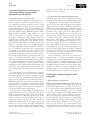
Fig. 1 Reduced sexuality mediated by a yield–sex trade-off. If lower
investment in flowering and fruiting leads to increased yield of
harvested parts, farmer selection for higher yield could drive the
reduction, or even loss, of sexual fertility.
The Authors (2010)
Journal compilation New Phytologist Trust (2010)
Tansley review
Review
& Gopinathan Nair, 1991; Abraham et al., 1986; Segnou
et al., 1992). Selectively multiplied by farmers, sterile and
high-yielding clones may then spread rapidly (Fig. 1).
In plants grown for their fruits, selection may more easily
lead to reduced investment in male function, as postulated
for domesticated plants in general (Waller, 1988) and as
suggested by cytoplasmic male sterility in several clonally
propagated fruit trees (e.g. Besnard et al., 2000; Thompson
et al., 1976; Yaegaki et al., 2003; Yamamoto et al., 1997),
although alternative explanations exist for the latter phenomenon.
2. Clonal ⁄ sexual fecundity trade-offs
Particularly complex trade-offs between sexual and clonal
reproduction may occur in some plants. In cassava, for
example, the plant’s architecture mediates a trade-off
between sexual fecundity and ‘clonal fecundity’: the stem
system is comprised of a series of terminally flowering modules. Branching occurs when the apical meristem of the
module differentiates into an inflorescence (Médard, 1973).
Cassava’s wild ancestor branches, and thus flowers, frequently. In obedience to Corner’s rules (Corner, 1949), its
many-branched stems have thin primary diameters and bear
small leaves. Domesticated cassava, however, has been
selected for enlarged meristems, large leaves, and thick
stems that produce reserve-rich stem cuttings resistant to
desiccation, and consequently has reduced numbers of
branches and of flowers. Human selection for increased
‘clonal fecundity’ led to architectural changes that resulted
in reduced sexual fecundity.
3. Changes in population genetic structure
Clonal propagation modifies the genetic structure of populations. This has important, but variable, consequences for
the evolution of sex in wild clonal plants (Eckert, 2002) and
in clonally propagated crops.
Inbreeding depression Clonal propagation interacts with
the highly allogamous mating systems that characterize
most of these plants and their wild ancestors (see Table S1).
Because clonal propagation raises a few genotypes to very
high frequencies in populations of these crops, a large proportion of pollen transfers are likely to occur between clonemates. The frequency of such crosses might even be
amplified when clonemates are planted in spatial aggregates,
a pattern commonly encountered in ‘traditional’ farming
systems (McKey et al., in press). Rates of inbreeding will
therefore increase in self-compatible preferential outcrossers
and may lead to a greater impact of inbreeding depression
in plants generated by sex (Pujol & McKey, 2006; Pujol
et al., 2005a). If inbred seedlings are frequent, their poor
or unpredictable performance may lead farmers to rely
New Phytologist (2010) 186: 318–332
www.newphytologist.com
323