1
9.1 Choosing the Meshing Strategy
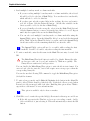
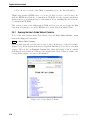
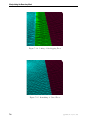
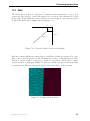
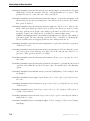
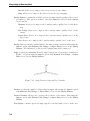
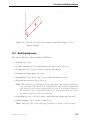
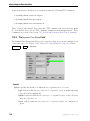
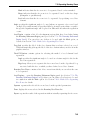
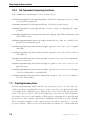
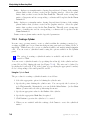
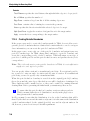
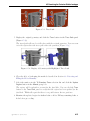
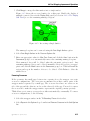
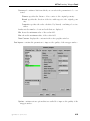
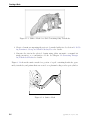
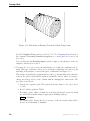
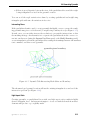
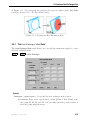
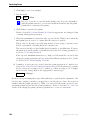
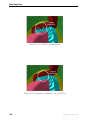
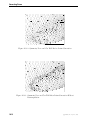
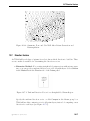
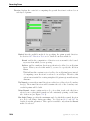
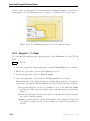
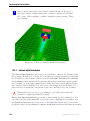
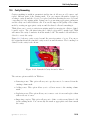
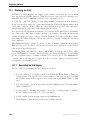
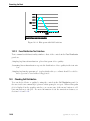
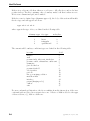
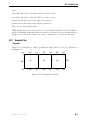
• The less complicated plenum pipe on the left of the figure is meshed using hexahedral cells.
• The more complex valve port (valve not visible because it is inside the surrounding
pipe) is meshed using tetrahedra.
• Pyramids are used as a transition between the hexahedral grid for the plenum and
the tetrahedral grid for the valve port.
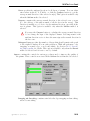
This transition occurs where the triangular and quadrilateral faces meet in the middle of
the figure. Additionally, the quadrilateral faces produced by extending triangular faces
in the cylinder (i.e., the quadrilateral sides of the resulting prism wedges) can be seen in
the far right of the figure.
9.1.3
2D Boundary Mesh
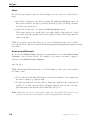
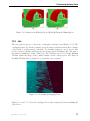
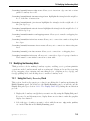
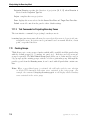
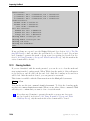
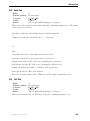
If you want to have a high mesh resolution in some portion of the domain, such as a
boundary layer, you can obtain a better-quality and more efficient mesh by meshing
that portion with prisms and then meshing the rest of the domain with triangles (tris).
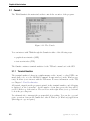
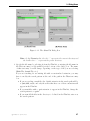
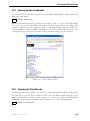
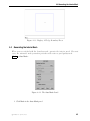
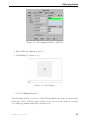
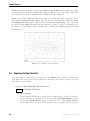
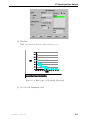
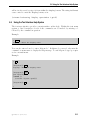
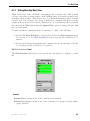
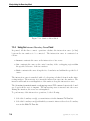
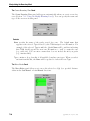
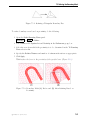
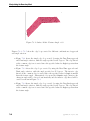
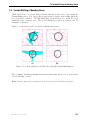
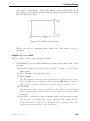
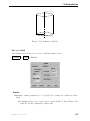
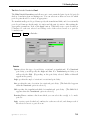
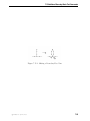
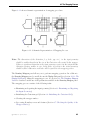
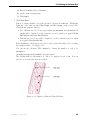
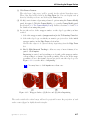
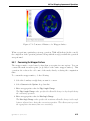
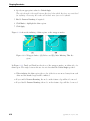
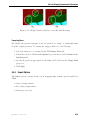
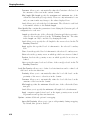
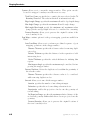
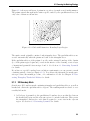
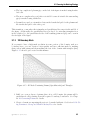
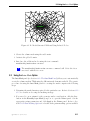
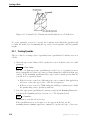
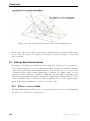
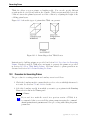
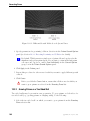
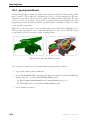
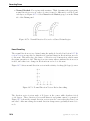
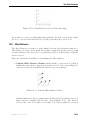
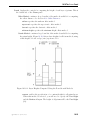
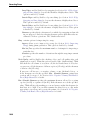
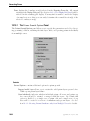
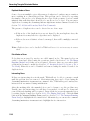
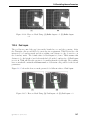
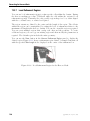
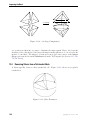
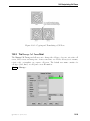
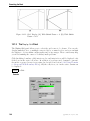
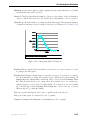
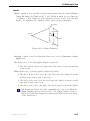
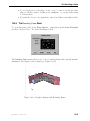
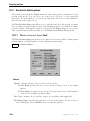
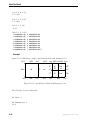
Figure 9.1.5 shows a grid created in this manner.
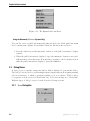
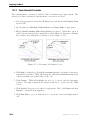
Figure 9.1.5: 2D Mesh Containing Prisms (Quadrilaterals) and Triangles
1. Build one or more layers of prisms (since it is a 2D domain, the prisms will be
quadrilateral cells), starting from the required boundary/boundaries. See Chapter 10: Generating Prisms for details.
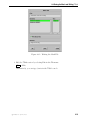
2. Create a domain encompassing the region to be meshed with tris. See Section 13.10: Using Domains to Group and Mesh Boundary Faces for details.
c ANSYS, Inc. April 15, 2008
9-5