1
B.2.15
Type constructors
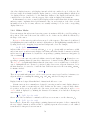
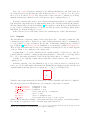
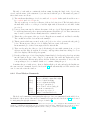
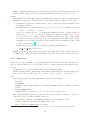
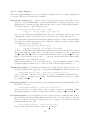
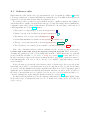
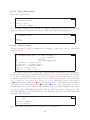
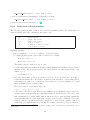
Both list and # are examples of type constructors; list has one argument (hence * list) whereas
# has two (hence * # **). Each type constructor has various primitive operations associated with
it, for example list has null, hd, tl, . . . etc, and # has fst, snd and the infix ,.
33
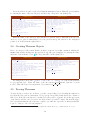
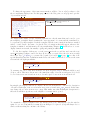
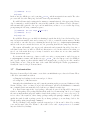
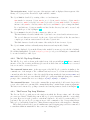
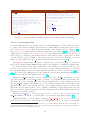
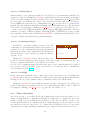
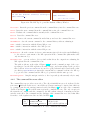
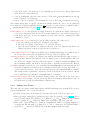
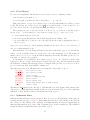
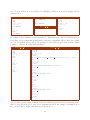
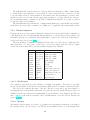
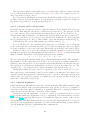
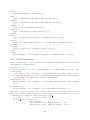
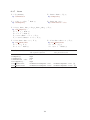
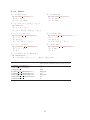
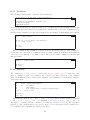
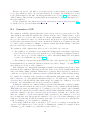
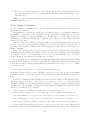
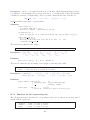
# let z = it;;
z = (8, 30) : intpair
# fst z;;
8 : int
# snd z;;
30 : int
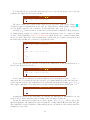
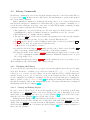
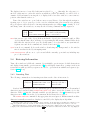
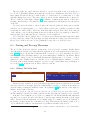
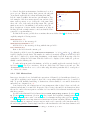
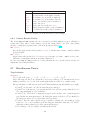
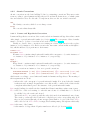
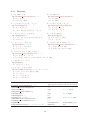
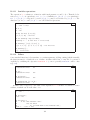
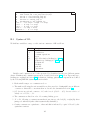
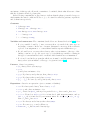
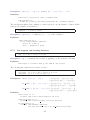
Another standard constructor of two arguments is +; * + ** is the disjoint union of types *
and **, and associated with it are the following primitives:
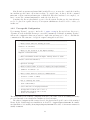
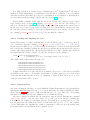
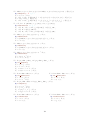
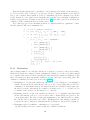
isl
inl
inr
outl
outr
:
:
:
:
:
(* +
* ->
* ->
(* +
(* +
**) -> bool
(* + **)
(** + *)
**) -> *
**) -> **
tests membership of left summand
injects into left summand
injects into right summand
projects out of left summand
projects out of right summand
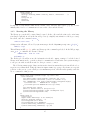
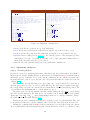
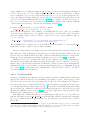
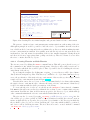
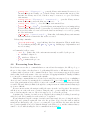
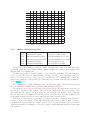
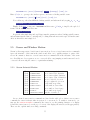
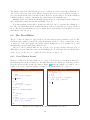
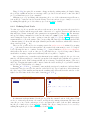
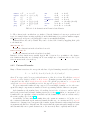
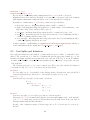
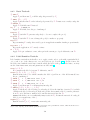
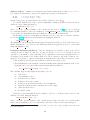
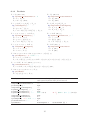
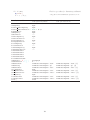
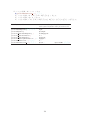
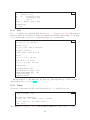
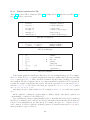
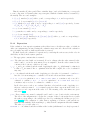
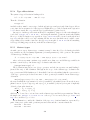
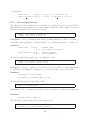
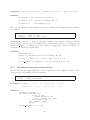
These are illustrated by:
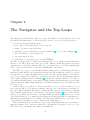
#
#
x
y
let x
and y
= inl
= inr
=
=
1
2
34
inl 1
inr 2;;
: (int + *)
: (* + int)
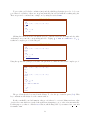
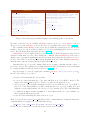
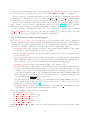
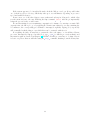
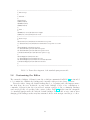
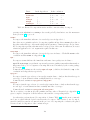
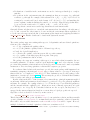
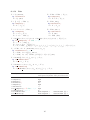
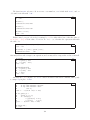
# isl x;;
true : bool
# isl y;;
false : bool
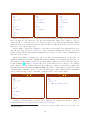
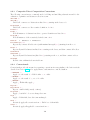
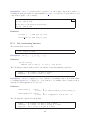
# outl x;;
1 : int
# outl y;;
evaluation failed
outl
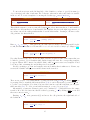
# outr x;;
evaluation failed
outr
# outr y;;
2 : int
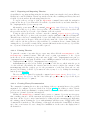
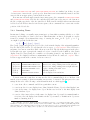
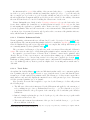
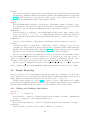
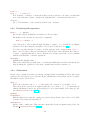
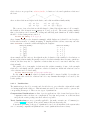
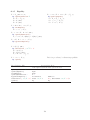
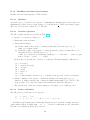
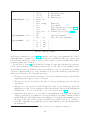
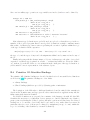
Abstract types such as time defined above can be thought of as type constructors with no
arguments (i.e. nullary constructors). The abstype...with... construct may also be used to define
non-nullary type constructors (with absrectype in place of abstype if these are recursive). For
example, trees analogous to LISP S-expressions could be defined by:
184