1
SDO_GEOMETRY Object Type
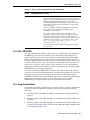
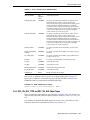
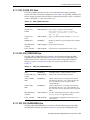
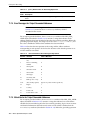
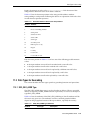
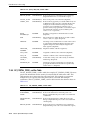
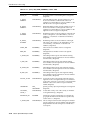
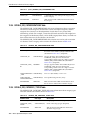
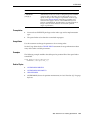
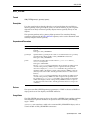
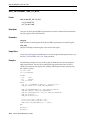
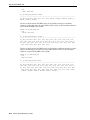
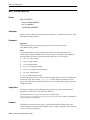
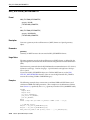
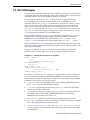
SDO_ETYPE values 1, 2, 1003, and 2003 are considered simple elements. They are
defined by a single triplet entry in the SDO_ELEM_INFO array. For SDO_ETYPE
values 1003 and 2003, the first digit indicates exterior (1) or interior (2):
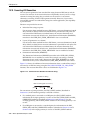
1003: exterior polygon ring (must be specified in counterclockwise order)
2003: interior polygon ring (must be specified in clockwise order)
The use of 3 as an SDO_ETYPE value for polygon ring
elements in a single geometry is discouraged. You should specify 3
only if you do not know if the simple polygon is exterior or interior,
and you should then upgrade the table or layer to the current
format using the SDO_MIGRATE.TO_CURRENT procedure,
described in Chapter 26.
Note:
You cannot mix 1-digit and 4-digit SDO_ETYPE values in a single
geometry.
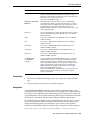
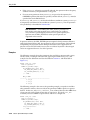
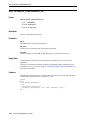
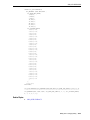
SDO_ETYPE values 4, 1005, 2005, 1006, and 2006 are considered compound
elements. They contain at least one header triplet with a series of triplet values that
belong to the compound element. For 4-digit SDO_ETYPE values, the first digit
indicates exterior (1) or interior (2):
1005: exterior polygon ring (must be specified in counterclockwise order)
2005: interior polygon ring (must be specified in clockwise order)
1006: exterior surface consisting of one or more polygon rings
2006: interior surface in a solid element
1007: solid element
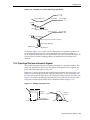
The elements of a compound element are contiguous. The last point of a
subelement in a compound element is the first point of the next subelement. The
point is not repeated.
■
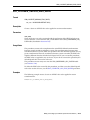
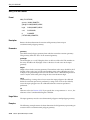
SDO_INTERPRETATION -- Means one of two things, depending on whether or
not SDO_ETYPE is a compound element.
If SDO_ETYPE is a compound element (4, 1005, or 2005), this field specifies how
many subsequent triplet values are part of the element.
If the SDO_ETYPE is not a compound element (1, 2, 1003, or 2003), the
interpretation attribute determines how the sequence of ordinates for this element
is interpreted. For example, a line string or polygon boundary may be made up of
a sequence of connected straight line segments or circular arcs.
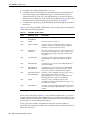
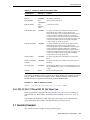
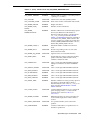
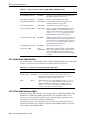
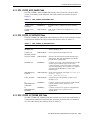
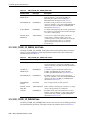
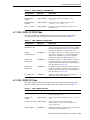
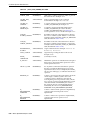
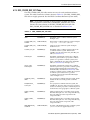
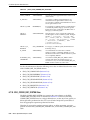
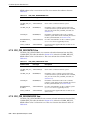
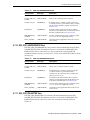
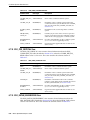
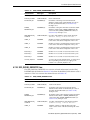
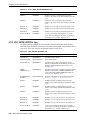
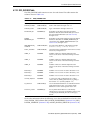
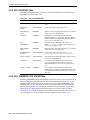
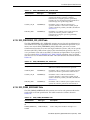
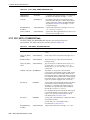
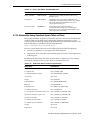
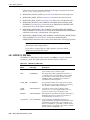
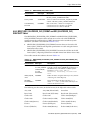
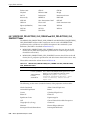
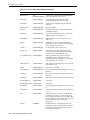
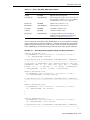
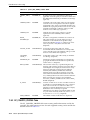
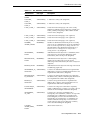
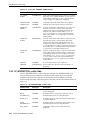
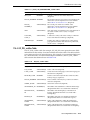
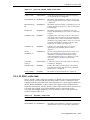
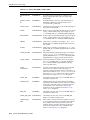
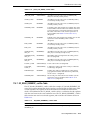
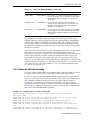
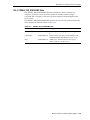
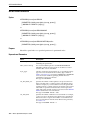
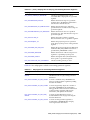
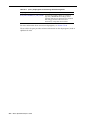
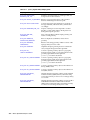
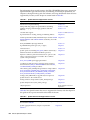
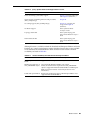
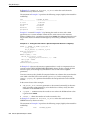
Descriptions of valid SDO_ETYPE and SDO_INTERPRETATION value pairs are
given in Table 2–2.
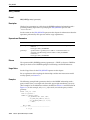
If a geometry consists of more than one element, then the last ordinate for an element
is always one less than the starting offset for the next element. The last element in the
geometry is described by the ordinates from its starting offset to the end of the SDO_
ORDINATES varying length array.
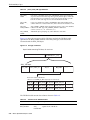
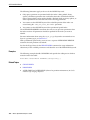
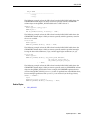
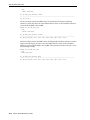
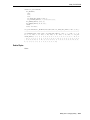
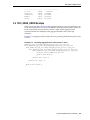
For compound elements (SDO_ETYPE values 4, 1005, or 2005), a set of n triplets (one
for each subelement) is used to describe the element. It is important to remember that
subelements of a compound element are contiguous. The last point of a subelement is
the first point of the next subelement. For subelements 1 through n-1, the end point of
one subelement is the same as the starting point of the next subelement. The starting
2-8 Oracle Spatial Developer’s Guide