1
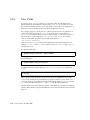
B.2.111.2
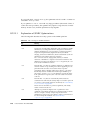
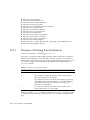
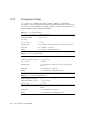
Explanation of x86 Optimizations
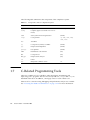
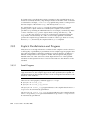
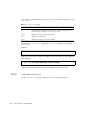
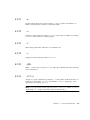
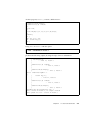
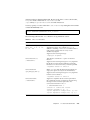
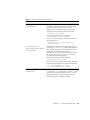
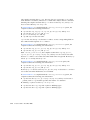
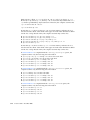
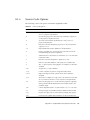
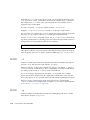
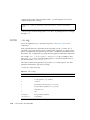
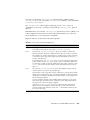
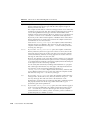
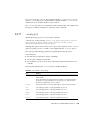
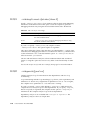
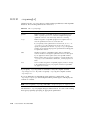
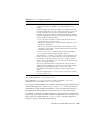
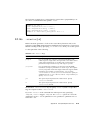
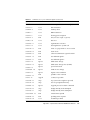
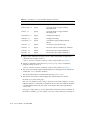
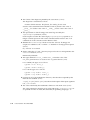
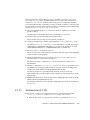
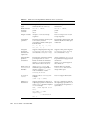
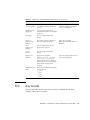
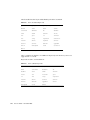
The following table describes how the optimization levels work on the x86 platform.
TABLE B-34
The -xO Flags on x86 Platforms
Flag
Meaning
-xO1
Preloads arguments from memory, cross-jumping (tail-merging), as
well as the single pass of the default optimization.
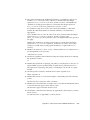
-xO2
Schedules both high- and low-level instructions and performs
improved spill analysis, loop memory-reference elimination, register
lifetime analysis, enhanced register allocation, and elimination of
global common subexpressions.
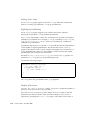
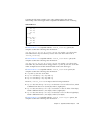
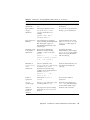
-xO3
Performs loop strength reduction, induction variable elimination, as
well as the optimization done by level 2.
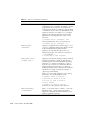
-xO4
Preforms automatic inlining of functions contained in the same file
in addition to performing -xO3 optimizations. This automatic
inlining usually improves execution speed, but sometimes makes it
worse. In general, this level results in increased code size.
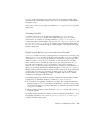
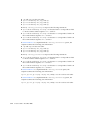
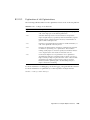
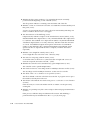
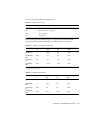
-xO5
Generates the highest level of optimization. Uses optimization
algorithms that take more compilation time or that do not have as
high a certainty of improving execution time. Some of these include
generating local calling convention entry points for exported
functions, further optimizing spill code and adding analysis to
improve instruction scheduling.
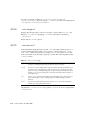
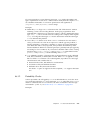
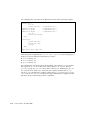
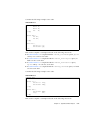
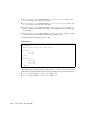
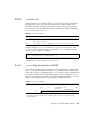
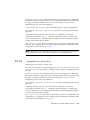
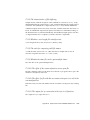
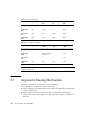
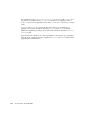
For more information on debugging, see the Debugging a Program With dbx manual.
For more information on optimization, see the Performance Analyzer manual.
See also -xldscope and -xmaxopt.
Appendix B
C Compiler Options Reference
B-69