1
Chemical Pulping
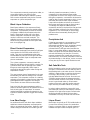
Chemical pulp is produced by combining wood
chips and chemicals in large pressure vessels
known as digesters (see chapter 3) where heat
and the chemicals break down the lignin, which
binds the cellulose fibers together, without
seriously degrading the cellulose fibers. Chemical
pulp is used for materials that need to be stronger
or combined with mechanical pulps to give a
product with different characteristics.
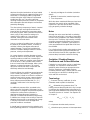
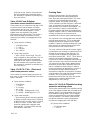
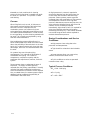
present in the liquid depends largely on the
amounts of sulfurous acid used.
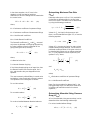
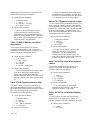
For monovalent hydroxides (Na+, K+, and NH4+),
MOH:
H2SO3 + MOH → MHSO3 + H2O
MHSO3 + MOH → M2SO3 + H2O
For divalent carbonates (Ca2+, Mg2+), MCO3:
MCO3 + 2H2SO3 → M(HSO3)2 + CO2 + H2O
M(HSO3)2 + MCO3 → 2 MSO3 + CO2 + H2O
Sulfite
Process:
The sulfite process produces wood pulp, which is
almost pure cellulose fibers, by using various salts
of sulfurous acid to extract the lignin from wood
chips in digesters. This process is used to make
fine paper, tissue, glassine, and to add strength to
newsprint. The yield of pulp is higher than Kraft
pulping as the process does not degrade lignin to
the same extent as the Kraft process, and sulfite
is easier to bleach.
Sulfite pulping is carried out between a pH of 1.5
and 5, depending upon the counterion to sulfite
and the ratio of base to sulfurous acid. The pulp is
in contact with the pulping chemicals for four to
fourteen hours, and at temperatures ranging from
265°F to 320°F, again depending upon the
chemicals used.
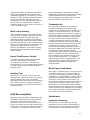
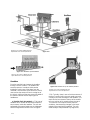
The pulping liquor for most sulfite mills is made by
burning sulfur with the correct amount of oxygen
to give sulfur dioxide (SO2), which is then
absorbed into water to give sulfurous acid
(H2SO3).
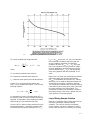
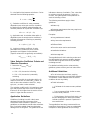
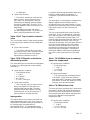
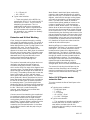
S + O2 → SO2
SO2 + H2O ⇔ H2SO3
Care must be given to avoid the formation of sulfur
trioxide (SO3) as this produces sulfuric acid
(H2SO4) when it is dissolved in water. This
promotes the hydrolysis of cellulose without
contributing to delignification (removal of lignin),
and ultimately damages the cellulose fibers. This
is one of the largest drawbacks of the sulfite
process, and leads the pulp fibers not being as
strong as Kraft pulp fibers.
The cooking liquor is prepared by adding the
counter ions, such as hydroxide or carbonate
salts. The relative amounts of each species
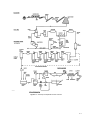
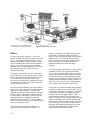
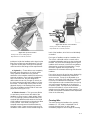
The spent cooking liquor from the process is
known as brown or red liquor. Pulp washers, using
countercurrent flow, remove the spent cooking
chemicals and degraded lignin and hemicellulose.
The extracted brown liquor is then concentrated in
multiple effect evaporators. The concentrated
brown liquor can be burned in the recovery boiler
to generate steam and recover the inorganic
chemicals for reuse in the pulping process, or it
can be neutralized to recover the useful
byproducts of pulping.
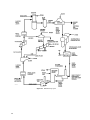
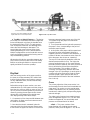
The most common recovery process used is
magnesium-based sulfite pulping, called the
“Magnefite” process. The concentrated brown
liquor is burned in the recovery boiler, producing
magnesium oxide (MgO) and sulfur dioxide, both
of which are recovered from the flue gases
created by the burning of the brown liquor.
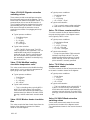
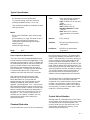
Magnesium oxide is recovered in a wet scrubber
to give a slurry of magnesium hydroxide
(Mg(OH)2).
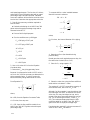
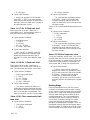
MgO + H2O → Mg(OH)2
This magnesium hydroxide slurry is then used in
another scrubber to absorb sulfur dioxide from the
flue gases, producing a magnesium bisulfite
(Mg(HSO)3) solution that is clarified, filtered, and
used again as the pulping liquor.
Mg(OH)2 + 2 SO2 → Mg(HSO3)2
Sulfate (Kraft)
Process:
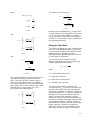
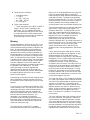
The sulfate or Kraft process is the dominant
chemical process used by pulp mills today. The
Kraft process involves cooking the wood chips
under pressure in an alkaline solution of sodium
hydroxide (NaOH) and sodium sulfide (Na2S). This
solution breaks down the glue-like lignin which
9−3