1
CHAPTER2 DeviceNet Unit
! CAUTION
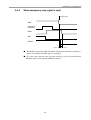
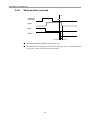
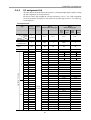
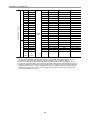
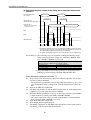
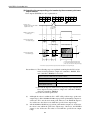
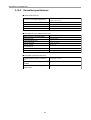
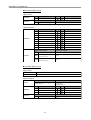
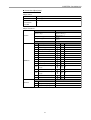
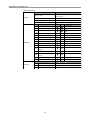
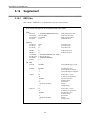
• The above profile is for cases where the I/O assignment selection parameter is
set to "Type 0: Conventional type" when the controller has an I/O assignment
function. For information on the profile when the I/O assignment selection parameter is set to another type, refer to "2-9-2 I/O assignment list".
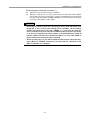
• The zone output is supported by the following controller versions:
ERCX, SRCX : Ver. 13.50 or later DRCX : Ver. 18.50 or later
SRCP, SRCD : Ver. 24.00 or later SRCP30 : Ver. 24.30H or later
2-7-2
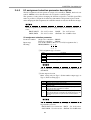
Dedicated command inputs
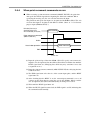
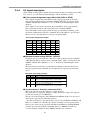
Dedicated command inputs are inputs from the sequencer (PLC) to the controller for
performing specific processing such as origin return or servo recovery. To accept these
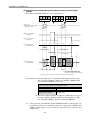
inputs, the READY, BUSY, and Lock signals must be set as follows:
■ READY : ON
■ BUSY : OFF
■ LOCK : ON
If the above conditions are not satisfied, then dedicated command inputs cannot be accepted. For example, when the BUSY signal is on, this means that the controller is already executing a dedicated command, so other dedicated commands are ignored if they
are input. When the LOCK signal is off, no other commands can be accepted since
interlock was triggered.
(As an exception, the reset command is executed if only the BUSY output conditions are
met. The servo recovery command is executed if the BUSY conditions are met and all
emergency stop inputs to the emergency stop circuit are cancelled.)
A dedicated command input is accepted when the dedicated command input is switched
from OFF to ON (at the instant the contact point closes). Whether the controller accepts
the command or not can be checked by monitoring the BUSY signal.
Note that dedicated command inputs cannot be used as data in a program.
! CAUTION
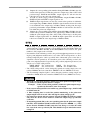
The dedicated command inputs explained below must always be pulse inputs. In
other words, they must be turned off (contact open) when the BUSY signal turns
on.
If a dedicated command input is not turned off, then the BUSY signal will not
turn OFF even when the command has ended normally. This means that the
next command cannot be accepted.
18