1
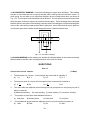
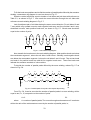
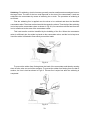
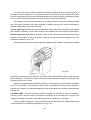
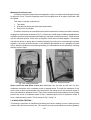
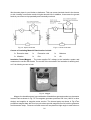
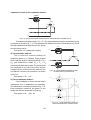
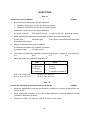
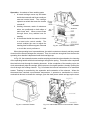
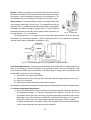
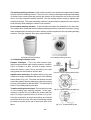
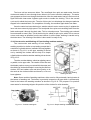
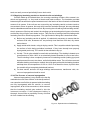
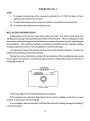
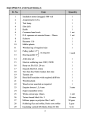
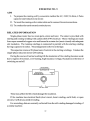
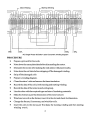
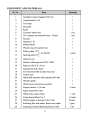
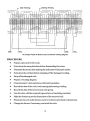
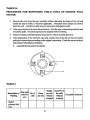
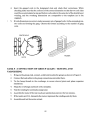
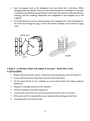
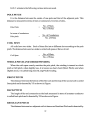
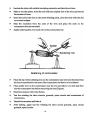
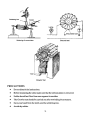
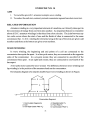
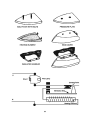
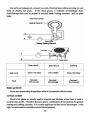
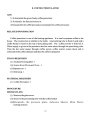
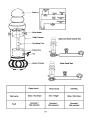
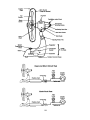
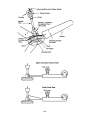
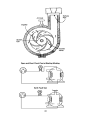
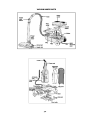
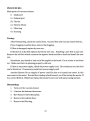
Fig.16.1 - Transformer oil testing kit
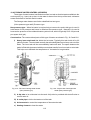
c) A circuit breaker to trip off the supply to the transformer, immediately if a sparkover
occurs.
(vii) The actual testing is done as follows :
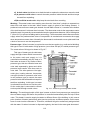
a) The gap is first checked with gauge and the test cup and the electrode gap thoroughly
cleaned and washed with oil known to be good. The cup is then filled with the sample oil
to be tested upto about one cm above the electrodes. The cup top should then be
covered with a clean glass plate and allowed to rest for at least 5 minutes so that all air
bubbles may disappear. Any bubbles still standing on the surface may be removed with
a clean glass rod. Use thin rubber gloves if you can, so that the sweat on your fingers
may not cause any contamination of the oil.
b) After making sure that the test area is clear of all men and the voltage regulator is in the
zero position, switch on the supply. Raise the voltage gradually from zero so that the
full voltage is reached in about 20 to 30 seconds. It is quite possible that there may be
one or two sparkovers across the electrodes in the very early stage itself even when
the voltage is 20 kV or less. These should be ignored as they are usually due to some
extraneous matter like microscopic strands of cotton, dust, etc. which have a tendency
to get aligned along the strong electrostatic field in the spark gap. They get burnt out
and do not affect the test. The test should, therefore, be continued and the voltage
raised until there is positive and final breakdown of the oil accompanied by blackening
of the oil near the gap. The circuit breaker will also get tripped out. If it is closed once
again it will immediately trip. This is totally different from the spurious temporary
breakdown earlier, when re-closure will not cause tripping.
c) After emptying the oil cup the electrodes and the cup are once again thoroughly cleaned
and rinsed with good oil, after which they are ready for conducting another test. There
is no objection at all against conducting tests on two or more samples; the highest
value recorded should be taken as correct.
There are a number of environmental variables, such as temperature, precipitation, etc., to
184